Kyiv Under Massive Attack
Russia Launches Largest Missile and Drone Assault on Kyiv Since 2022, Causing Extensive Damage
Anonymous
Key Points
1
A detailed weapon mix from the attack included 10 Zircon anti-ship missiles, 25 Iskander-M/S-400 ballistic missiles, 3 Oniks missiles and 3 Kh-59/69 guided air missiles, along with Shahed, Gerbera and Italmas drones, Parodiya decoys and Banderol loitering munitions; Ukrainian forces reported intercepting 126 targets by 8:30 a.m. (18 missiles and 108 drones) with debris from drones falling on 18 sites.
2
Lukyanivska metro station was closed after the blast, with a crater near the station and damage to the ground-level concourse, a blast wave damaging a road shelter, shops and a local market, complicating rescue work and transit.
3
Domestic politics around the war intensified as Zelenskyy’s cabinet reshuffle included the removal of the defense minister, sparking protests and debate among Ukrainian soldiers and observers about potential impacts on wartime strategy.
4
In addition to Kyiv, the attacks affected other regions, with Kyiv Mayor Vitali Klitschko noting fires at a dormitory, an apartment building and a supermarket as part of the damage profile in the capital.
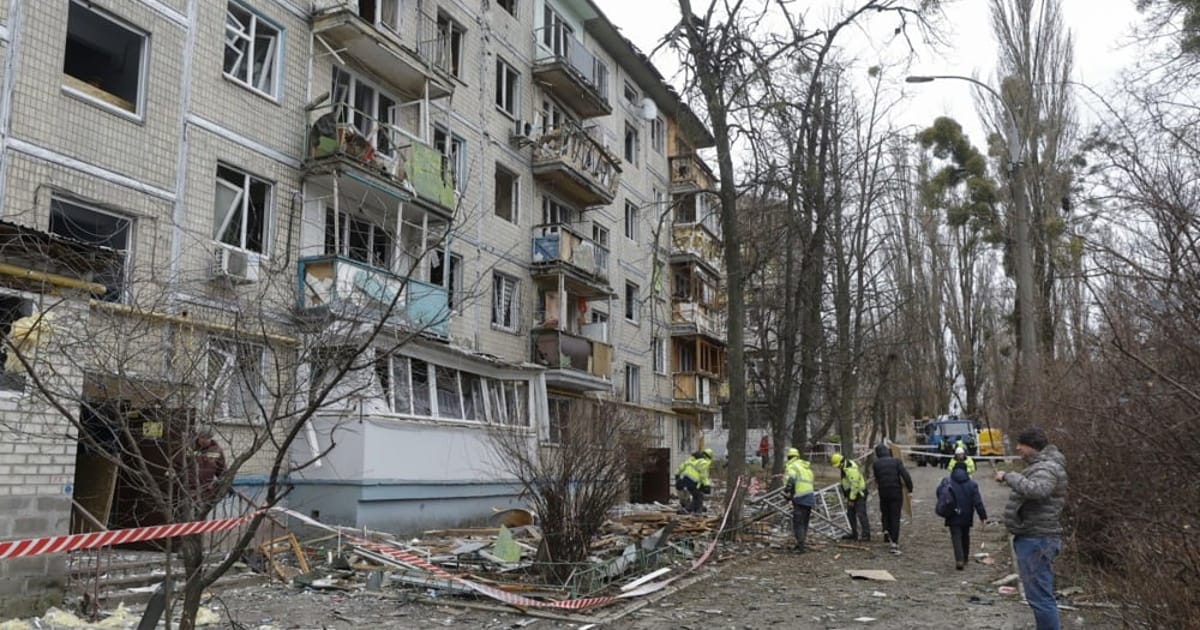
Russia launched its largest ballistic missile assault on Kyiv since the 2022 invasion overnight, killing at least one person and injuring 16 others, according to Free Malaysia Today. The attack involved 41 missiles and roughly 120 attack drones, targeting the capital and surrounding regions in a strike Ukrainian officials described as a major escalation.
Ukrainian forces intercepted 126 targets by 8:30 a.m., including 18 missiles and 108 drones. But authorities warned that shortages of Patriot air defense interceptors made stopping ballistic missiles significantly harder. Debris from drones struck 18 separate sites across the city.
Missiles, Drones, and a Metro Station Shuttered
Russia's weapon mix was vast and varied. The assault included 10 Zircon anti-ship missiles, 25 Iskander-M and S-400 ballistic missiles, 3 Oniks missiles, and 3 Kh-59/69 guided air missiles. Attackers also deployed Shahed, Gerbera, and Italmas drones, along with Parodiya decoy drones and Banderol loitering munitions, according to Free Malaysia Today.
The blast wave from one strike closed the Lukyanivska metro station. A crater opened near the entrance, damaging the ground-level concourse, a road shelter, nearby shops, and a local market. Kyiv Mayor Vitali Klitschko reported fires at a dormitory, an apartment building, and a supermarket. Emergency services deployed across five city districts to battle the blazes.
Air Defenses Strained as Interceptor Stocks Run Low
Ukraine's air defense network intercepted most of the incoming fire, but officials were blunt about the limits. Patriot missile batteries, which are essential for stopping ballistic missiles, are running short on interceptors. Each ballistic missile requires a costly intercept attempt, and the sheer volume of this attack stretched Ukraine's defenses to the edge.
President Volodymyr Zelensky called the strike a deliberate escalation and renewed his appeal for more interceptors from Western allies. Officials said the attack showed why international support must grow, not slow. Ukraine needs more Patriot systems and resupply of missiles to keep defending cities like Kyiv.
Cabinet Shakeup Adds Pressure on Ukraine's War Strategy
The missile barrage hit as Ukraine's government was already in turmoil. Zelensky carried out a cabinet reshuffle that removed the defense minister. The move sparked protests and sharp debate among Ukrainian soldiers and outside observers about what it means for wartime decision-making.
Critics worry the leadership change could disrupt military coordination at a critical moment. Supporters say fresh leadership may sharpen Ukraine's approach. Either way, the timing — a massive attack paired with a top-level shakeup — added pressure on a government already managing one of the war's deadliest nights in the capital.
Ukraine Hits Back With Strikes on Russian Oil Sites
Even as Kyiv burned, Ukraine struck back. Ukrainian drones hit three oil depots in Russia's Stavropol region, sparking major fires, according to Yahoo News. Ukrainian forces also targeted three vessels tied to Russia's so-called shadow fleet — ships used to move oil and dodge Western sanctions.
The strikes on fuel sites aim to choke Russia's ability to finance the war, according to Mezha. Ukraine has stepped up attacks on Russian energy and logistics infrastructure in recent weeks. Hitting oil depots and tankers at the same time as a massive missile barrage signals that both sides are escalating with full force.
Sentiment
Mostly NegativeNEGATIVENEUTRALPOSITIVE
Publishers
19
Articles
18
Reach
37
A
AnonymousAuthor


