Kentucky Medicaid Funding
Kentucky Governor Beshear diverts $255M surplus to avert Medicaid cuts for 1 million
Anonymous
Key Points
1
Medicaid waiver costs have risen significantly, from about $492,000 per person in 2020 to about $607,166 per person in 2026, contributing to the funding pressures driving the administration's decision to shield waivers from cuts.
2
The FY2026 budget gap was projected at $156 million, but the state finished with a $476 million surplus, aided in part by more than $350 million in July corporate income tax payments; after accounting, the surplus available rose to about $781 million.
3
There is a political dispute over Medicaid funding: Republicans say the budget funded Medicaid adequately (or even more than needed), while Beshear claims the budget cut Medicaid by about $2.7 billion and that flexibility allowed him to respond to shortfalls.
4
Beshear signaled a plan to reopen the second year of the two-year budget to address ongoing needs, covering July 1, 2027 to June 30, 2028.
5
The number of Kentuckians affected is variably reported: Beshear notes about 1 million; other reports cite roughly 1.3 million on Medicaid, highlighting a discrepancy in constituency impacted depending on the source.
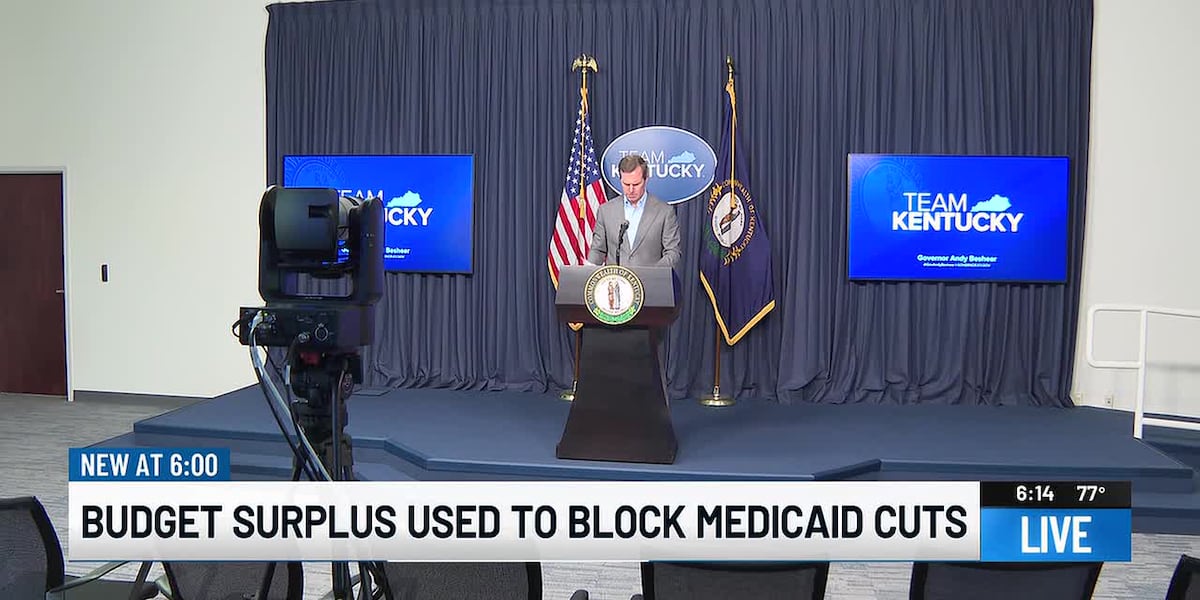
Kentucky Governor Andy Beshear announced a plan to redirect $255 million in surplus funds to block a 4% cut to Medicaid provider payments set to take effect August 1, according to WDRB. The move would protect health care services for roughly 1 million Kentuckians enrolled in Medicaid.
The funding comes from an unexpected windfall. A single July corporate income tax payment brought in more than $350 million, helping push the state's available surplus to about $781 million, WDRB reported. The state had projected a $156 million budget gap for fiscal year 2026 but instead finished with a $476 million surplus.
How a $781 Million Surplus Changed the Calculus
Kentucky's fiscal picture shifted dramatically in recent weeks. The state projected a $156 million shortfall heading into FY2026. Instead, strong tax receipts — led by a $350 million-plus July corporate income tax payment — flipped the math entirely, according to WDRB. Officials now project more than $400 million flowing into the state's rainy-day fund by year's end.
Beshear said the rainy-day fund could reach $1 billion within the next year. Of the $255 million being redirected, most goes to shore up Medicaid. A portion also goes to senior meal programs. The governor called the step necessary to address a "short-term funding gap," per Newsy Today.
Medicaid Costs Keep Rising, Squeezing Providers
Medicaid waiver costs have grown sharply in recent years. The cost per person rose from about $492,000 in 2020 to roughly $607,166 in 2026, according to WDRB. That increase is a key reason the administration moved to protect waiver services from the 4% cut.
Without action, providers — hospitals, clinics, and home health workers — would have faced lower reimbursement rates starting August 1. Beshear said that outcome would have harmed the Kentuckians who rely on those services most. He was clear that the surplus fix is a short-term solution. The long-term Medicaid funding problem, he said, will need to be solved in the next legislative session.
Republicans Push Back, Dispute Budget Narrative
Not everyone agrees the cut was real. House Speaker David Osborne and other Republicans argue the budget already funded Medicaid at adequate levels — or even above what was needed. They accuse Beshear's administration of leaning too heavily on executive budget flexibility to work around legislative decisions, according to WDRB.
Beshear counters that the Republican-passed budget cut Medicaid by about $2.7 billion. He says that shortfall forced him to use flexibility tools to fill the gap. The dispute highlights a deeper tension: who controls Medicaid spending and how the state balances long-term fiscal responsibility with protecting health care access.
Beshear Eyes Budget Reopen for 2027–2028 Needs
The governor signaled this fix may not be his last move. Beshear said he is open to reopening the second year of Kentucky's two-year budget, which covers July 1, 2027 through June 30, 2028, per Newsy Today. That step would let the state address ongoing Medicaid needs beyond the current fiscal year.
The number of Kentuckians on Medicaid is itself a point of dispute. Beshear cited roughly 1 million people. Other reports, including WKYT, put total Medicaid enrollment closer to 1.3 million. Either way, the stakes are high. Medicaid is a lifeline for low-income residents, seniors, and people with disabilities across the state.
Sentiment
Mostly NegativeNEGATIVENEUTRALPOSITIVE
Publishers
14
Articles
20
Reach
34
Topics
A
AnonymousAuthor


