Primate welfare debate
Marmoset found abandoned on London bus sparks debate over new primate licensing rules and welfare.
Anonymous
Key Points
1
The marmoset was unmicrochipped, making it harder to trace ownership.
2
Officials note the primate licensing regime may be prompting abandonment; the government estimates about 5,000 primates are kept as pets in England, with low uptake of the new licenses.
3
A specialist exotics veterinarian examined Oyster and gave a clean bill of health.
4
Oyster was found inside a small white metal bird cage wrapped in a plastic chequered laundry bag; Metroline staff placed her in a dark, cool space at the depot to help keep her calm after rescue.
5
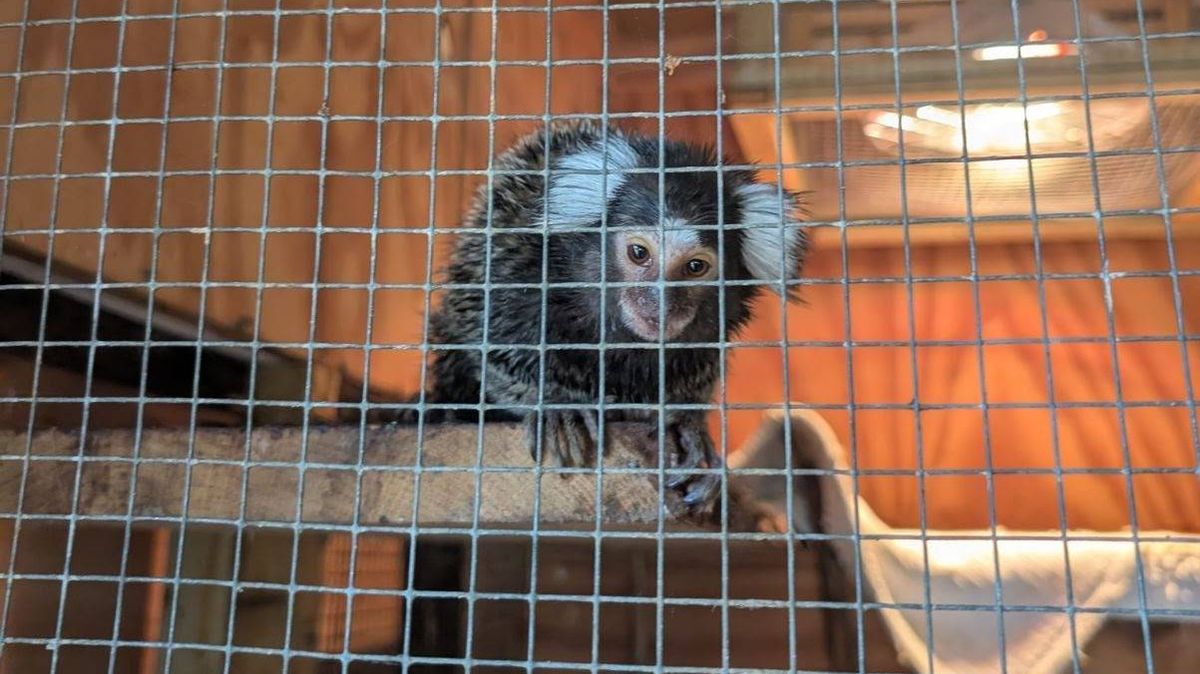
Physical description notes: the common marmoset weighs about 250–400 grams and is native to northeastern Brazil, with distinctive white ear tufts and a white blaze on the forehead.
A common marmoset was found abandoned and "terrified" inside a small white metal bird cage on a London bus on July 17, according to Wales Online. The cage was wrapped in a plastic chequered laundry bag and left on the luggage rack of the 302 bus running between Mill Hill Broadway and Kensal Rise in north London. The bus driver only spotted the animal when the bag slipped and revealed the frightened primate inside.
The marmoset, now named Oyster after London's iconic travel card, was dehydrated and stressed when she was found, AOL News reported. She has since been given a clean bill of health by a specialist exotic animal vet and is now living in a sanctuary. Police and the RSPCA have launched an investigation to find whoever dumped her.
How a Bus Driver Found a Hidden Monkey
The 302 bus had reached the Metroline depot when the driver noticed the laundry bag blocking the luggage area. When staff moved it, they found Oyster locked inside a small cage, visibly distressed. Metroline workers placed her in a dark, cool space at the depot to help calm her down, Birmingham Mail reported.
Oyster was not microchipped, which makes tracing her owner much harder. Authorities are now reviewing CCTV footage and on-board bus logs to identify who left her there, according to Coventry Telegraph. No one has come forward to claim her.
New Pet Primate Laws May Be Driving Abandonments
The RSPCA says the case may be part of a wider trend. England introduced new licensing rules for people who keep primates as pets. The rules are meant to improve animal welfare, but the government estimates around 5,000 primates are kept as pets in England — and very few owners have signed up for the new licenses, Yahoo News reported.
Experts worry that owners who can't or won't get a license are choosing to dump their animals instead of finding proper homes for them. The RSPCA says it is seeing more cases like Oyster's. The licensing system was designed to protect primates, but without enforcement, it may be pushing some owners to abandon their pets quietly.
What Is a Common Marmoset and Why Is Oyster Special
Common marmosets are tiny primates that weigh just 250 to 400 grams. They are native to northeastern Brazil and are easy to spot thanks to their white ear tufts and a white patch on their foreheads. They are social animals and do poorly when kept alone or in poor conditions, according to Birmingham Mail.
Oyster is now living at a primate sanctuary. Staff there plan to introduce her to a potential male companion if no owner comes forward. The RSPCA has given her a clean bill of health and says she is settling in well, Coventry Telegraph reported.
Oyster Becomes a Symbol in the Primate Pet Debate
Oyster's story has sparked fresh debate about how Britain handles exotic pets. The RSPCA says the new licensing rules are a step forward, but warns they only work if owners actually comply. Right now, uptake of the new primate licenses is very low, leaving thousands of animals in uncertain situations, Yahoo News reported.
Campaigners say Oyster's case shows the system is not working well enough. They want stronger enforcement and better support for sanctuaries that take in abandoned primates. For now, Oyster has a safe home — but experts fear she may not be the last monkey left on a bus.
Sentiment
Mostly NegativeNEGATIVENEUTRALPOSITIVE
Publishers
12
Articles
28
Reach
40
A
AnonymousAuthor


