Ceuta Border Security
Spain and Morocco Increase Border Security Around Ceuta Ahead of Elections
Anonymous
Key Points
1
Morocco’s parliamentary election involves nearly 16 million registered voters choosing 395 members of the House of Representatives; the campaign has focused primarily on unemployment, rising prices, inequality and distrust of politicians rather than the Ceuta migration crisis.
2
Spanish broadcaster RTVE said it analyzed more than 12,000 WhatsApp messages, audio recordings and videos exchanged between Aug. 4 and 13, tracing calls that initially focused on a planned Aug. 15 crossing before later shifting toward Sept. 23.
3
Ceuta has faced additional internal unrest: thousands of residents marched toward the Moroccan border on Sunday, while police were deployed to quell a riot at the Loma Colmenar detention center.
4
Declassified Spanish security and intelligence reports described Moroccan authorities’ response during the July breach as “passive” and “negligent,” citing the unusual absence of Moroccan forces from the heavily guarded border; a separate police report alleged that Moroccan forces helped organize the influx and directed migrants toward the border, claims Rabat denied.
5
Spain cited the failed Aug. 15 mobilization as evidence of Moroccan cooperation: Albares said thousands of migrants, predominantly from sub-Saharan Africa, were stopped before reaching the border.
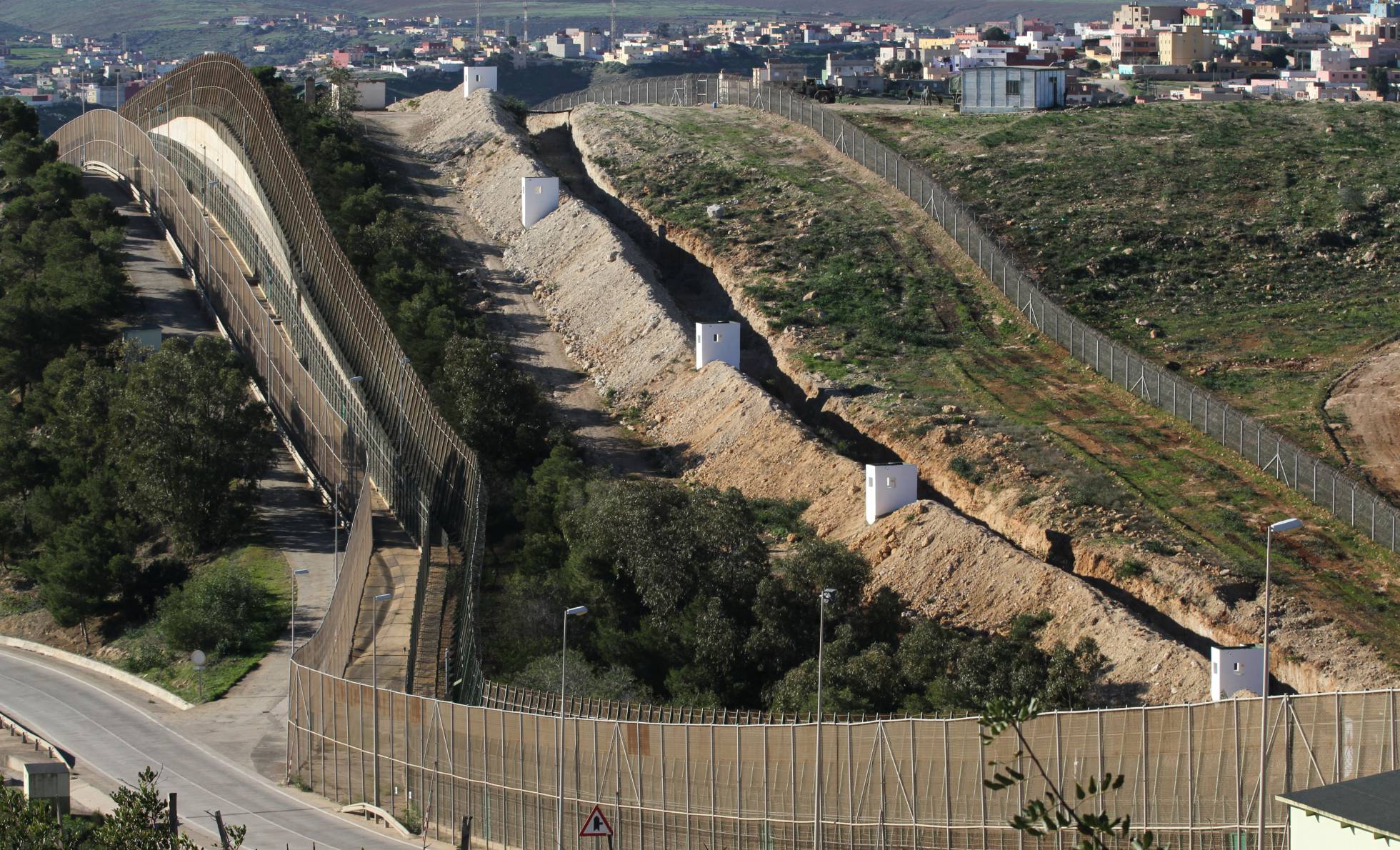
Spain and Morocco have fortified their shared border ahead of September 23, bracing for potential mass migrant crossings into the Spanish enclave of Ceuta. Reuters reported that social media messages urged migrants to attempt entry during Morocco's parliamentary elections, though France24 noted the response has been far smaller than the July surge that saw over 70,000 people reach Ceuta in weeks. Spain deployed additional security personnel at borders and ports while launching a counter-information campaign to dispel rumors that a court ruling guaranteed European entry.
July's Historic Surge Left Ceuta Overwhelmed
In late July, more than 70,000 migrants breached Ceuta's borders in a matter of days, overwhelming the Spanish enclave's capacity. teleSUR documented that dozens died during the chaotic crossing and thousands remained stuck in difficult conditions afterward. The incident sparked a diplomatic crisis between Madrid and Rabat, with declassified Spanish reports describing Moroccan border authorities' response as "passive" and "negligent." Morocco denied allegations that its forces assisted or organized the influx.
Social Media Drives Fresh Migration Calls
RTVE analyzed over 12,000 WhatsApp messages and videos exchanged between August 4 and 13, tracing coordinated crossing attempts. Initial calls targeted August 15, but organizers later shifted focus to September 23, coinciding with Morocco's election day. The Spanish broadcaster found that sub-Saharan African migrants drove most of the messaging. However, Surinenglish reported that Spain's reinforced security operation prevented a breach on the September 23 date, with 75 police officers deployed to key positions.
Morocco's Election Takes Place Amid Border Tensions
Nearly 16 million Moroccan voters cast ballots on September 23 to elect 395 members of the House of Representatives, France24 reported. The election campaign focused on unemployment, rising prices, and inequality rather than the Ceuta crisis. Prime Minister Pedro Sánchez praised Morocco for reinforcing its border defenses, though Spain continues demanding explanations for July's breakdown. Both nations remain in daily contact, but the migration pressure has strained their already delicate diplomatic relationship.
Internal Unrest Complicates Ceuta's Situation
Ceuta faced additional turmoil beyond border crossings. Thousands of residents marched toward the Moroccan border on Sunday in protest, while police were forced to quell a riot at the Loma Colmenar detention center where migrants were held. Voice of Emirates noted that Spanish authorities raised security alert levels across Ceuta's borders. The July surge left the territory strained, and new crossing attempts risk reigniting internal divisions among Ceuta's population.
Sentiment
Mostly NegativeNEGATIVENEUTRALPOSITIVE
Publishers
23
Articles
12
Reach
35
A
AnonymousAuthor


