Baidu's Dual Listing
Baidu Pursues Dual-Primary Listing in Hong Kong to Broaden Investor Base
Anonymous
Key Points
1
Baidu already has a Nasdaq listing since 2005 and a Hong Kong secondary listing since 2021, and its move to a dual-primary structure would echo Alibaba’s 2024 shift toward primary status in Hong Kong and New York, highlighting a longstanding cross-border listing strategy.
2
Baidu insider activity includes about $2.0 million in stock sales over the last three months, signaling liquidity movements ahead of the transition.
3
Markets reacted to the dual-primary listing news with pre-market gains of up to roughly 3.2%, indicating investor interest in the cross-border move.
4
A key driver of the dual-primary plan is to gain access to Stock Connect, which would deepen Baidu’s access to mainland Chinese investors.
5
Baidu’s board approved the dual-primary listing plan on July 16, 2026, with the transition expected to finalize within the year, marking a formal governance step in the process.
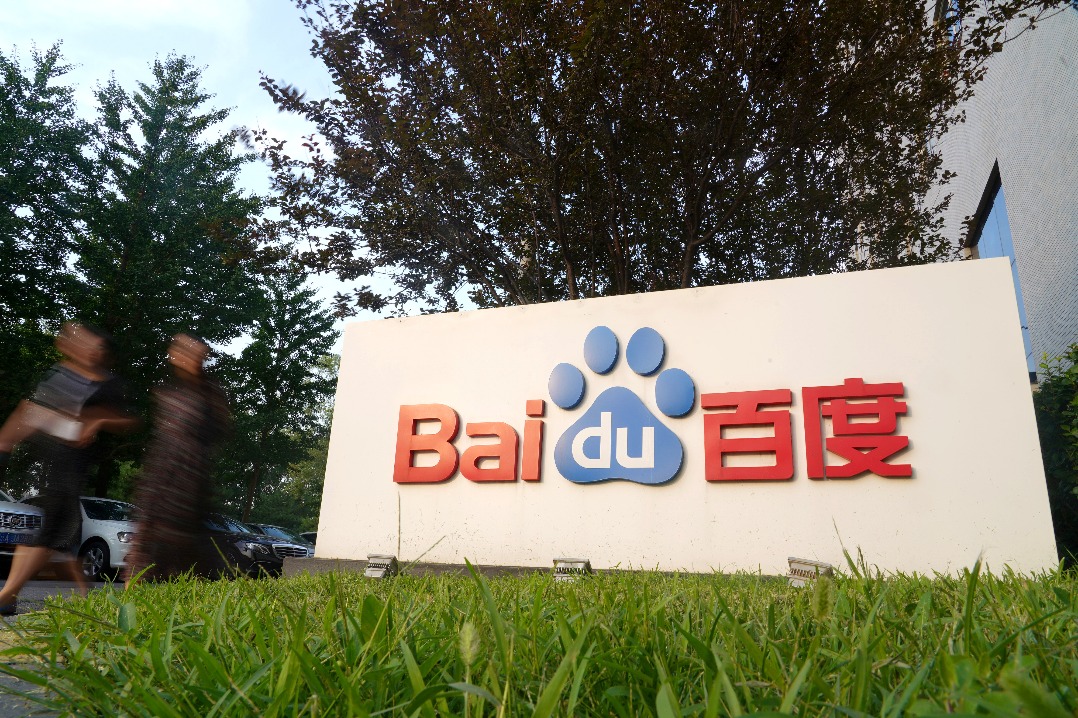
Baidu's board approved a plan on July 16, 2026, to upgrade its Hong Kong listing to primary status — creating a dual-primary structure alongside its longtime Nasdaq listing, according to MarketScreener. The move is expected to take effect before the end of the year and sent Baidu's shares up roughly 3.2% in pre-market trading.
The shift would make Baidu's Class A ordinary shares and American depositary shares fully exchangeable across both exchanges. It also sets the stage for Baidu to join Stock Connect — a trading link that would open the door to millions of mainland Chinese investors, Morningstar reported.
From Secondary to Primary: What Changes for Baidu
Baidu first listed on Nasdaq in 2005. It added a Hong Kong secondary listing in 2021. A secondary listing carries fewer obligations and less regulatory weight than a primary one. By going dual-primary, Baidu would be held to full listing standards in both cities simultaneously, according to MarketScreener.
The practical upside is fungibility. Investors would be able to trade Baidu shares on either exchange and convert between them freely. That flexibility is expected to boost daily trading volume and deepen the pool of buyers on both sides of the Pacific.
Stock Connect Access Could Unlock Mainland Chinese Demand
One of the biggest prizes in this deal is Stock Connect eligibility. Stock Connect is a program that lets mainland Chinese investors buy Hong Kong-listed shares directly. Right now, Baidu's secondary listing does not qualify. A primary listing would change that, Morningstar noted.
Mainland Chinese investors represent a massive pool of capital. Getting onto Stock Connect could significantly lift Baidu's liquidity and share price support. Analysts see the move as a way for Baidu to fund its push into AI, autonomous driving, and other growth businesses without relying solely on US markets.
Baidu Follows Alibaba in a Broader Chinese Tech Trend
Baidu is not the first major Chinese tech firm to make this move. Alibaba shifted toward a dual-primary structure in Hong Kong and New York in 2024. That decision is now seen as a template. China Daily reported that Baidu's board voted to approve the Hong Kong dual-primary proposal, calling it a step to enhance access to Asian capital markets.
The trend reflects a real concern among Chinese tech giants. US-listed Chinese companies have faced regulatory pressure and delisting threats in recent years. Strengthening a Hong Kong listing gives firms like Baidu a more secure financial base if conditions in the US worsen.
Insider Sales and Market Conditions Still a Factor
The dual-primary plan still needs regulatory approval from Hong Kong authorities before it can go live. Market conditions also matter. If volatility spikes, Baidu could delay the final steps. The timeline calls for completion within 2026, but no exact date has been set, according to Morningstar.
Meanwhile, Baidu insiders sold about $2.0 million worth of stock over the past three months. That level of insider activity is relatively modest and may simply reflect routine liquidity moves ahead of a major structural change. Investors appear broadly optimistic — pre-market gains of 3.2% suggest the market views the dual-primary plan as a net positive.
Sentiment
Mostly PositiveNEGATIVENEUTRALPOSITIVE
Publishers
18
Articles
23
Reach
41
A
AnonymousAuthor


