Russia's Fuel Crisis Deepens
Russia bans diesel exports, ramps up imports to stabilize domestic market amidst disruptions.
Anonymous
Key Points
1
Altai Republic has rolled out tightly restricted daily fuel limits, including 30 litres of gasoline and 50 litres of diesel per vehicle in several districts (Choya, Turochak, Gorno-Altaysk, Mayma, Chemal), while other districts retain 50 litres of gasoline and 100 litres of diesel per day; fuel canisters up to 10 litres remain available with required documents, and authorities will launch an interactive map showing fuel availability and delivery times at stations.
2
Russia’s diesel export ban is expected to tighten global diesel markets, with Russia accounting for about 11% of global diesel supply last year, a share that could push margins higher as the country shifts back to domestic distribution (and U.S. product exports have surged to record highs).
3
July will see the start of imports of petroleum products to supplement domestic refineries, and Russia plans to run refineries at maximum capacity; authorities also extended until end-2026 a regulation allowing refineries to produce Class K5 (Euro 5) gasoline and diesel.
4
refinery maintenance projects have been postponed to boost processing capacity, with authorities bringing additional processing capacity online and noting the fuel situation is partially stabilized but still challenging.
5
The export ban is described as temporary, with Novak confirming the ban on diesel exports through July 31 as part of a broader package to stabilize the domestic market amid strikes and disruptions to energy infrastructure.
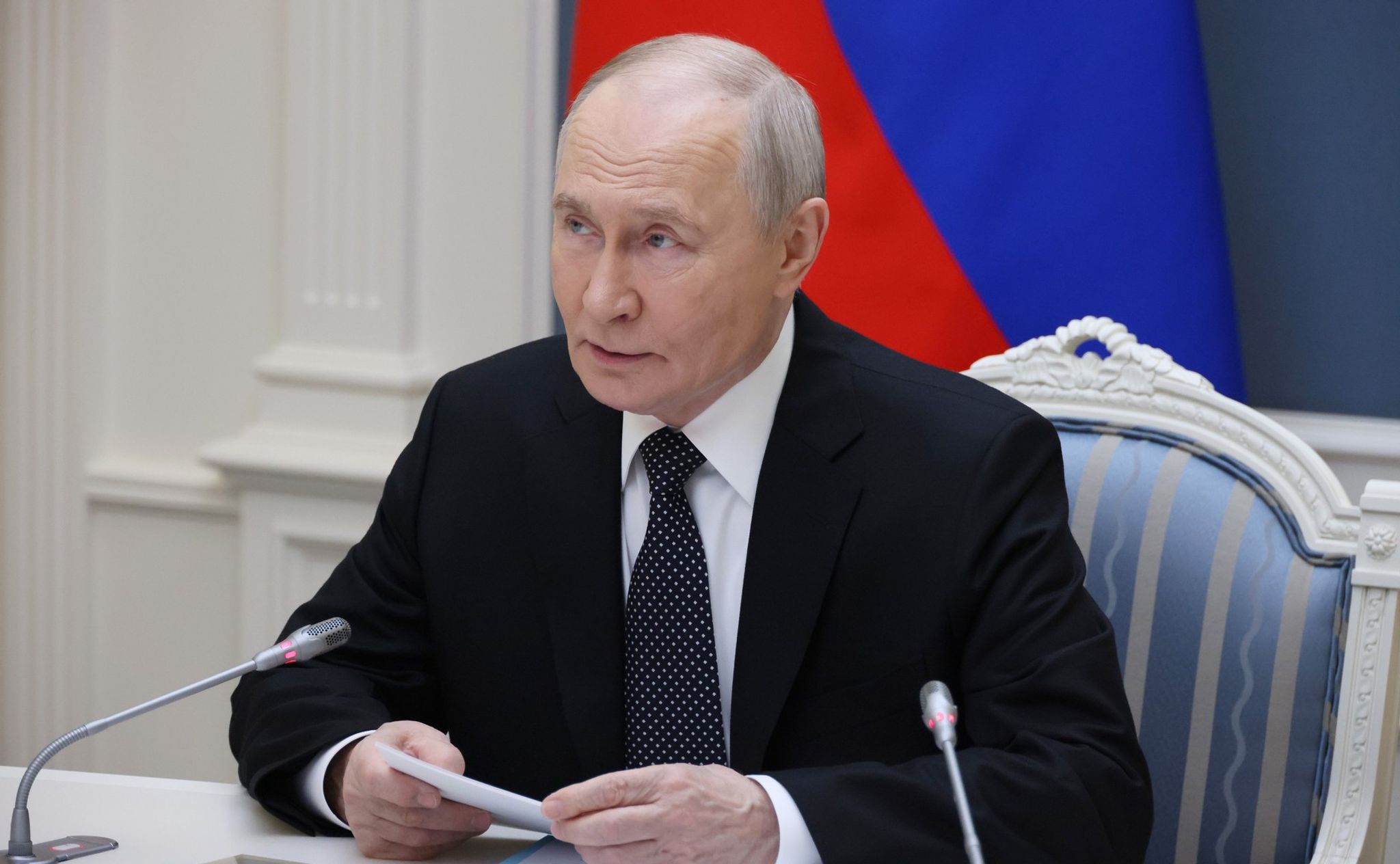
Russia has banned diesel exports through July 31 to stop domestic fuel shortages caused by Ukrainian drone strikes on its refineries, Deputy Prime Minister Alexander Novak announced at a meeting with President Putin, according to Yahoo Finance. The ban covers one of the world's largest diesel suppliers — Russia accounted for roughly 11% of global diesel supply last year, according to Crypto Briefing.
Moscow will also begin importing petroleum products in July and run its refineries at maximum capacity to shore up supply, Newsy Today reported. Some Russian regions are already rationing fuel, with daily limits and vehicle registration checks at pumps.
Drone Strikes Push Russia to Halt Diesel Exports
Ukrainian drone strikes have repeatedly hit Russian refineries in recent months, cutting processing capacity and draining domestic fuel stocks. Novak confirmed the export ban runs through July 31 as part of a broader emergency package, according to Yahoo Finance. Authorities also postponed scheduled refinery maintenance to keep processing lines running at full speed.
Russia will extend until the end of 2026 a rule letting refineries produce Class K5 fuel — the equivalent of Euro 5 standard gasoline and diesel — to keep output flexible, Newsy Today reported. Officials say the domestic fuel situation is "partially stabilized" but still under pressure from seasonal demand and unplanned outages.
Russia Turns to Imports to Fill the Gap
For the first time in years, Russia plans to import petroleum products starting in July to supplement what its own refineries can produce, according to Yahoo Finance. The move is a sharp reversal for a country that has long been a major fuel exporter. Officials framed it as a short-term fix to stabilize the market while repairs and extra capacity come online.
Novak told Putin that fuel availability at stores remains stable, even as some regions face real pressure. Authorities are also bringing additional processing capacity online to reduce the gap between supply and demand, Newsy Today reported.
Altai Region Introduces Strict Daily Fuel Limits
The Altai Republic has rolled out some of Russia's tightest rationing rules. In districts including Choya, Turochak, Gorno-Altaysk, Mayma, and Chemal, drivers are limited to 30 litres of gasoline and 50 litres of diesel per day, according to Dev Discourse. Other Altai districts get slightly more: 50 litres of gasoline and 100 litres of diesel per day.
Fuel canisters of up to 10 litres are still available but require documents to purchase. Altai authorities also plan to launch an interactive map showing fuel availability and delivery times at local stations, giving drivers a way to find fuel before joining a queue, Dev Discourse reported.
Global Diesel Markets Feel the Pressure
Russia's exit from the export market is expected to tighten global diesel supply and push prices higher, according to Crypto Briefing. With Russia supplying about 11% of the world's diesel last year, the sudden removal of that volume leaves a real gap. Zero Hedge noted that U.S. diesel product exports have already surged to record highs as traders scramble to fill the void.
Analysts say the ban could widen the price gap between regions with easy access to alternative supplies and those that relied heavily on Russian diesel. The longer Russia keeps the ban in place, the more upward pressure global markets are likely to feel, Crypto Briefing reported.
Sentiment
Mostly NegativeNEGATIVENEUTRALPOSITIVE
Publishers
26
Articles
142
Reach
168
A
AnonymousAuthor


