Vance's Mideast Policy
JD Vance Defends Iran Diplomacy and Addresses Israeli Influence on Joe Rogan's Podcast
Anonymous
Key Points
1
The Rogan episode addressed Jeffrey Epstein’s reported connections to U.S. and Israeli intelligence and discussed how Epstein files are handled as part of a broader Middle East strategy.
2
Vance pushed back on the notion of the Trump dialogue being driven by religious rhetoric, telling Rogan he doesn’t endorse a 'divine mandate' and urged moderating religious talk around policy decisions.
3
After the Memorandum of Understanding, Vance highlighted that roughly 20 million barrels of oil began leaving the Strait of Hormuz, with oil prices plunging to pre-war levels, which he said unsettled hardliners in Iran.
4
The discussion noted Iran violated the ceasefire and attacked ships, and the United States responded with bombing Iran in retaliation, illustrating a renewed escalation cycle following the MOU.
5
Online reaction to the interview was polarized, with supporters praising Vance’s blunt defense of sovereignty while critics argued his stance risked straining key regional alliances.
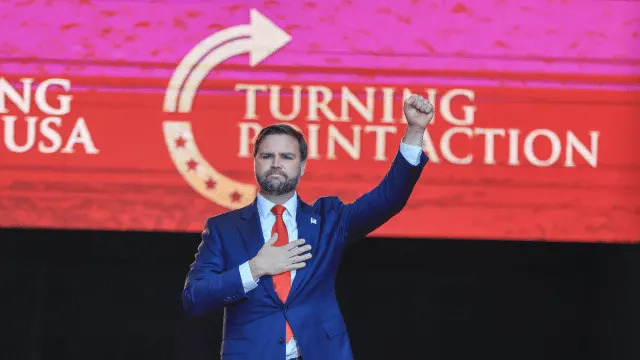
Vice President JD Vance appeared on Joe Rogan's podcast and made a striking accusation: Israel is actively trying to derail U.S. peace talks with Iran, aiming to keep the conflict going "indefinitely," according to NY Post. Vance also admitted the Trump administration "screwed up" its handling of the Jeffrey Epstein files.
The wide-ranging interview covered Iran diplomacy, religious rhetoric around U.S. strikes, and alleged Israeli influence campaigns. Online reaction split sharply, with supporters calling Vance candid and critics warning his comments could damage key alliances.
Vance Says Israel Paid Influencers to Sink Iran Talks
Vance told Rogan that Israel has been paying online influencers to undermine U.S. negotiations with Iran, according to Washington Examiner. He pushed back on critics who claimed his dovish stance was driven by Qatar or Tucker Carlson. He framed his position as squarely in line with President Trump's agenda, not a rogue view.
Vance described Iran as split between religious hardliners and pragmatists. He argued the pragmatists are the ones the U.S. can work with. He said hardliners inside Iran were rattled when roughly 20 million barrels of oil began flowing through the Strait of Hormuz after the Memorandum of Understanding, pushing oil prices down to pre-war levels.
Ceasefire Collapsed as Iran Attacked Ships, U.S. Bombed Back
The diplomatic window did not hold. Iran violated the ceasefire and attacked ships in the region. The U.S. responded with airstrikes on Iran, restarting an escalation cycle the administration had tried to break. Vance told Rogan the situation is "messy" and said the U.S. has limited control over how events unfold once talks begin.
Rogan pressed Vance on why Iran talks always seem to gain momentum and then fall apart. Vance did not offer a clean answer. He acknowledged the cycle is hard to break and said both sides face internal pressure from factions that want conflict rather than a deal.
Vance and Rogan Reject 'Jesus Chose Trump' Claim on Iran Strikes
During the episode, both Vance and Rogan pushed back on a claim circulating online that Jesus chose Donald Trump to authorize strikes on Iran. Vance said he does not endorse any "divine mandate" framing for U.S. military action, according to AOL News. He urged people to stop wrapping policy decisions in religious language.
Rogan agreed, calling the framing dangerous. The two argued that mixing religious prophecy with military policy makes rational decision-making harder. Vance said the administration wants to be judged on strategy and results, not theological claims, according to Yahoo News.
Epstein Files and Israeli Intelligence Raised on Podcast
Vance acknowledged that the Trump administration "screwed up" its release of the Jeffrey Epstein files, according to NY Post. The podcast also touched on reported connections between Epstein and U.S. and Israeli intelligence. Vance did not go into detail but said the files' handling has become tangled in the broader Middle East policy debate.
Critics online seized on Vance's Israel comments as the most explosive part of the interview. Supporters said he was being honest about foreign lobbying pressures that rarely get named out loud. The debate over the interview quickly became a flashpoint in ongoing arguments over U.S. policy in the Middle East.
Sentiment
Mostly NegativeNEGATIVENEUTRALPOSITIVE
Publishers
10
Articles
5
Reach
15
Topics
A
AnonymousAuthor


