Egypt Inflation Cools
Egypt's Nationwide Inflation Falls to 12.2% in June, Driven by Lower Food Prices
Anonymous
Key Points
1
June’s monthly CPI fell 0.9% from May—the first month-on-month drop since July 2025—primarily driven by sharp food-price declines, notably meat and poultry (-6.4%), dairy, cheese and eggs (-2.4%), and a 12.1% drop in vegetable prices.
2
Analysts had forecast urban inflation would accelerate to about 15.1% in June, but the reading came in at 14.3%, suggesting fading base effects and earlier fuel-price shocks.
3
Housing-related costs showed persistent upward pressure, with the housing, water, electricity, gas and other fuels division posting a 31.2% annual increase (and a 1.5% monthly rise in June).
4
Food and beverages posted an annual rise of 4.7% in June, led by vegetables at 29.9% and cereal/bread showing a 0.6% month-on-month increase, while fruit rose 3.5% in June, illustrating that not all food segments were deflationary even as overall inflation cooled.
Egypt's inflation cooled sharply in June, with nationwide annual inflation falling to 12.2% from 13% in May, according to Egypt Today. Urban consumer price inflation came in at 14.3%, down from 14.6% — well below analyst forecasts of around 15.1%. The surprise drop signals that earlier price shocks may be fading faster than expected.
The monthly consumer price index fell 0.9% from May to June — the sharpest month-on-month drop in nearly a year. The relief came mostly from food prices, especially a steep 12.1% fall in vegetable prices and a 6.4% slide in meat and poultry costs, Egypt Today reported.
Food Prices Lead the Biggest Monthly Drop
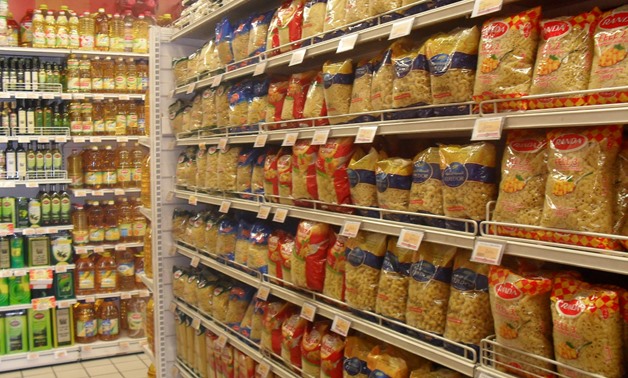
Food was the main driver of June's inflation cooldown. Meat and poultry prices fell 6.4% compared to May. Dairy, cheese, and eggs dropped 2.4%. Vegetables saw the steepest fall, down 12.1% in a single month, according to Egypt Today. These declines pushed the overall CPI lower across the board.
On an annual basis, food and beverages still rose 4.7% in June. Not all food categories fell. Fruit prices rose 3.5% during the month. Cereal and bread prices ticked up 0.6%. Some oils and beverages also got more expensive. The food picture was mixed — not a clean sweep of price relief.
Analysts Caught Off Guard by Cooler Reading
Most analysts had expected urban inflation to speed up to about 15.1% in June. Instead, it fell to 14.3%, according to The Middle East Observer. That gap — nearly one full percentage point below forecast — was a notable miss. It suggests that base effects from earlier fuel price hikes are starting to fade.
Base effects matter a lot here. When prices spike in one month, the next year's comparison looks smaller — even if prices stay high. Egypt saw big fuel price increases in 2025. Those shocks are now rolling out of the annual comparison window, pulling the headline number down.
Housing Costs Keep Climbing Despite Food Relief
Not everything got cheaper. Housing, water, electricity, gas, and fuel costs surged 31.2% on an annual basis, according to The Middle East Observer. That division also rose 1.5% just in June alone. Persistent housing inflation is keeping broad price pressures alive even as food offers relief.
Transport and services also continued to push costs higher. This means the inflation picture is uneven. Households are paying less for meat and vegetables, but more for rent, utilities, and getting around. The overall slowdown in inflation is real — but it does not mean prices are falling everywhere.
Central Bank Holds Rates Steady After Data Release
The Central Bank of Egypt kept its benchmark interest rates unchanged following the June data, The Middle East Observer reported. The cooler inflation print gave policymakers some breathing room. But with housing costs still rising at 31.2% annually, the bank faces pressure from multiple directions.
Egypt's inflation path is still uncertain. Food prices can swing quickly with seasonal harvests or global commodity moves. If food prices rebound in July, the headline number could tick back up. For now, the June data offers a rare positive signal — inflation is moving in the right direction, even if the road is bumpy.
Sentiment
Mostly NegativeNEGATIVENEUTRALPOSITIVE
Publishers
13
Articles
27
Reach
40
A
AnonymousAuthor


