Iraq Oil Disruption
Iraq Suspends Southern Oil Exports After Drone Strike, Threatening Global Supply
Anonymous
Key Points
1
Iraq's southern Basra oil output plunged roughly 60-70%, from about 3.3 million barrels per day to around 900,000 bpd, as the drone strike forced terminal shutdowns.
2
Hyperliquid's oil contracts saw daily trading volumes exceed $1 billion during the crisis, with peak days above $1.2 billion, and about $40 million in liquidations as traders repositioned; crude prices on the platform briefly spiked to around $100–$115 per barrel.
3
Basra port safety measures included towing a second vessel out of the port; earlier, a drone landed at Faw port without causing damage, indicating ongoing caution at multiple Basra-area facilities.
4
The incident occurred amid broader Gulf tensions, with drone and missile activity across March and April 2026 and heightened risk to energy infrastructure as tensions with Iran, the United States and regional actors intensify.
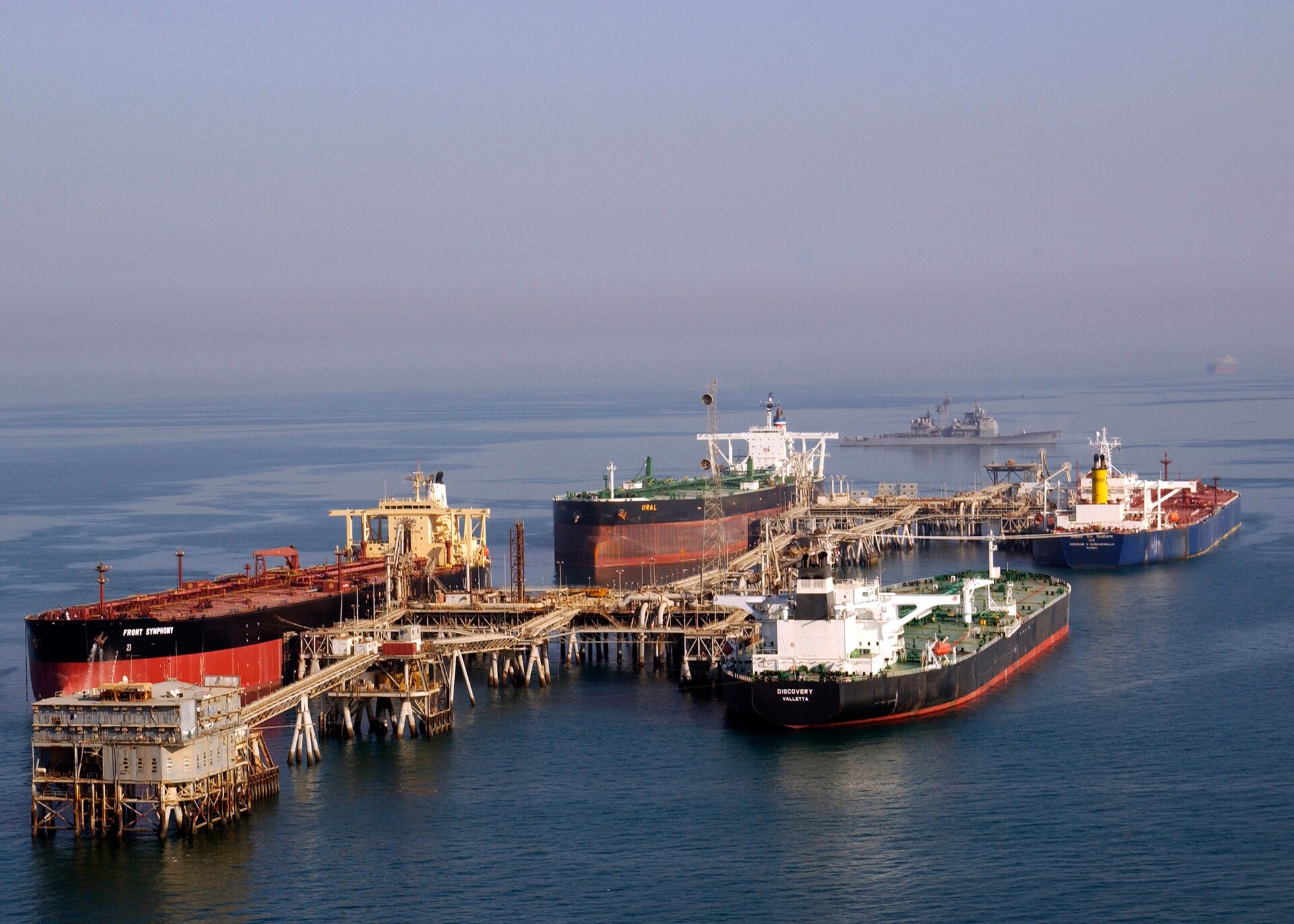
A drone struck an oil tanker at Iraq's Basra terminal, forcing Baghdad to suspend crude oil loading at all southern export terminals, according to Newsmax. The suspension was precautionary while security forces assessed the damage. Officials confirmed the drone caused no fire or injuries, and no group claimed responsibility.
Basra handles the vast majority of Iraq's oil exports. The shutdown cut southern output from roughly 3.3 million barrels per day to around 900,000 bpd — a drop of about 60 to 70%, according to reports. That is a significant loss for global crude supplies at a time when regional tensions are already high.
Drone Hits Tanker, Shutting Down Iraq's Main Export Terminals
The drone crashed into a tanker docked at the Basra terminal, triggering an immediate halt to loading operations across all of Iraq's southern export ports, DevDiscourse reported. As a precaution, a second vessel was towed out of Faw port nearby. An earlier drone had also landed at Faw without causing damage, suggesting a pattern of coordinated activity.
No official duration for the suspension was given. Authorities also paused oil production in the northern Kirkuk fields as a precautionary move. Iraq has not named a suspect, and no armed group has stepped forward to claim the attack.
Output Collapses as Basra Terminals Go Dark
Basra is Iraq's main oil export hub. It normally ships around 3.3 million barrels per day. After the shutdown, that figure fell to roughly 900,000 bpd. That means the world lost access to more than 2 million barrels of Iraqi crude in a single day. Iraq is one of OPEC's largest producers, so the gap matters for global supply.
FX Street noted that despite the dramatic headlines, WTI crude — the main US oil price benchmark — was still trading about 0.96% lower on the day at $79 per barrel. That suggests markets were watching closely but had not yet panicked at the time of reporting.
Crypto Oil Traders React With $1 Billion in Daily Volume
The strike rippled into financial markets beyond traditional commodity exchanges. On Hyperliquid, a crypto derivatives platform, oil contracts saw daily trading volumes exceed $1 billion during the crisis. On peak days, volume topped $1.2 billion. Crude prices on the platform briefly spiked to between $100 and $115 per barrel as traders rushed to reposition.
About $40 million in liquidations hit Hyperliquid traders as bets went wrong during the price swings. That kind of volume and volatility is unusual even for a major news event. It shows how quickly energy shocks now move through digital asset markets alongside traditional ones.
Gulf Tensions Escalate Through March and April 2026
The Basra strike did not happen in a vacuum. Drone and missile activity has been rising across the Gulf through March and April 2026, with Iraq, Iran, the United States, and other regional actors all involved in escalating exchanges. Energy infrastructure has become a growing target, Benzinga reported.
Analysts warn that disruptions at Basra could have lasting effects if tensions keep climbing. Iraq depends on oil revenue for nearly all of its government income. Any prolonged shutdown threatens not just global crude prices but also Iraq's ability to fund basic public services.
Sentiment
Mostly NegativeNEGATIVENEUTRALPOSITIVE
Publishers
13
Articles
16
Reach
29
A
AnonymousAuthor


