Equality Urgency
UN Women Warns Gender Equality Progress Could Take Centuries, Urges Urgent Action
Anonymous

Key Points
1
A projection warns that, at the current pace, achieving gender equality could take about 300 years rather than seven, underscoring urgency to remove discriminatory laws and close gaps in legal protections.
2
Global poverty statistics highlight that about 380 million women and girls live in extreme poverty on less than $1.90 a day.
3
COVID-19-era school and day-care closures contributed to an estimated 512 billion additional hours of unpaid childcare globally, disproportionately borne by women.
4
UN Women reported a record seven substantive decisions adopted in the session, signaling a strengthened mandate as it guides the remainder of the Strategic Plan.
5
UN Women announced the creation of an ethics function, described as its first independent governance mechanism.
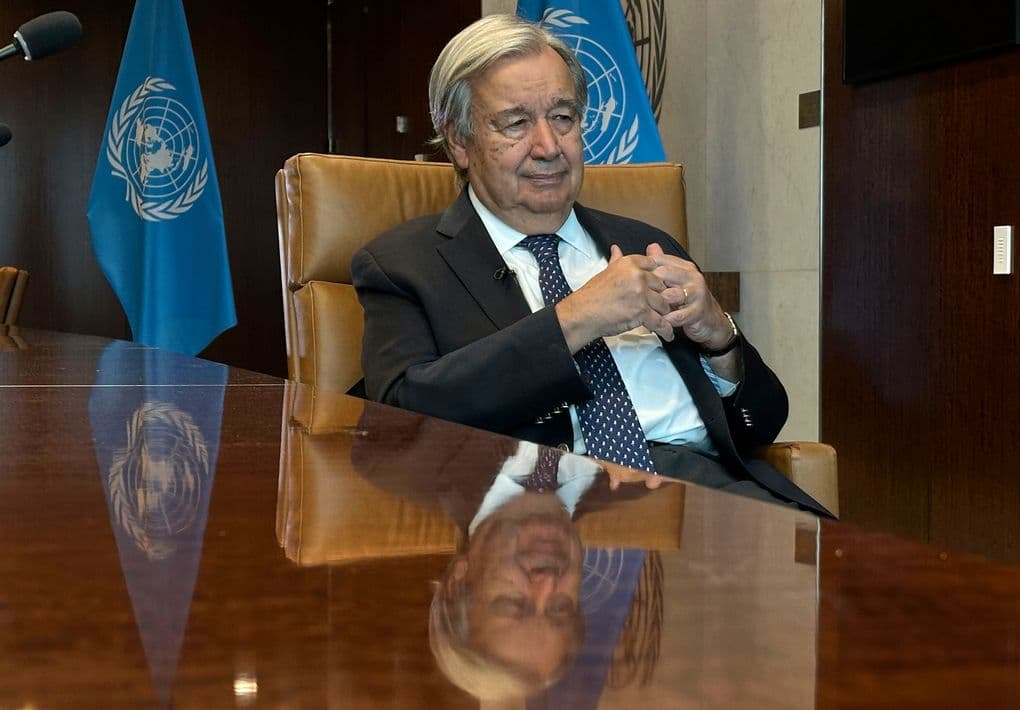
At the current pace, achieving full gender equality will take roughly 300 years — not the seven remaining before the 2030 deadline. UN Women and the UN Secretary-General are sounding the alarm, with António Guterres warning: "Gender equality is growing more distant. At the current track, it is 300 years away. We cannot let this become the new normal."
The crisis is not abstract. A woman or girl is killed by a family member every 11 minutes, according to UN Women. About 380 million women and girls live on less than $1.90 a day. COVID-19 lockdowns added an estimated 512 billion hours of unpaid childcare globally — work that fell almost entirely on women.
300 Years Away: The Scale of the Crisis
The "300-year" figure comes from the UN Women Gender Snapshot, first released in September 2022. It measures how long it will take to close gaps in legal protections, economic access, and political power at the current rate of change. UN Women Executive Director Sima Bahous has called for "total mobilization" of resources, describing 2024 as a "pivotal year."
Women hold just 26% of seats in national parliaments worldwide, far below the 50% target for 2030, according to the Inter-Parliamentary Union. Bahous warned of "a deliberate and organized pushback against women's and girls' rights." She is pushing for quotas and electoral reforms, especially in conflict zones, to translate declarations into real change.
Record Governance Overhaul Inside UN Women
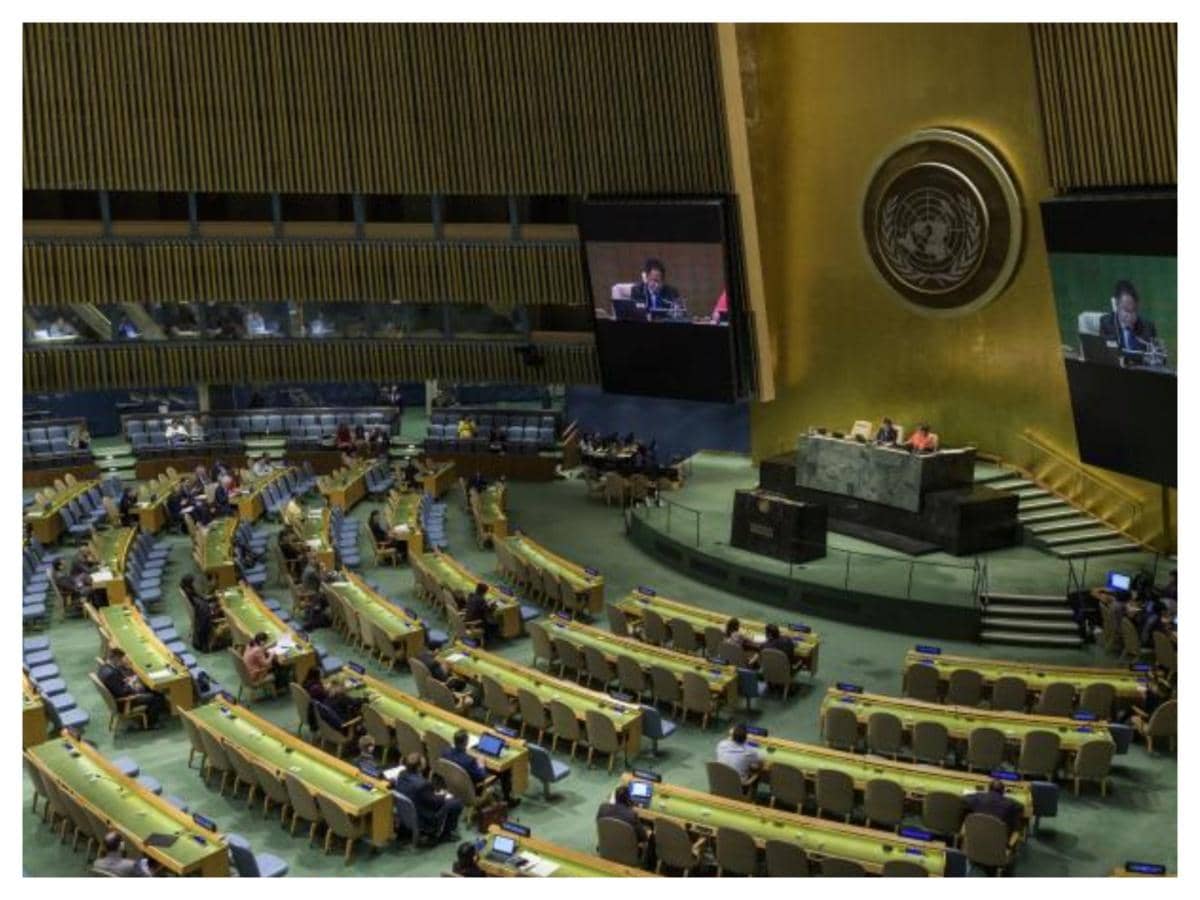
At its June 2024 Annual Session, the UN Women Executive Board adopted a record seven substantive decisions — more than in any prior session. Member states including Iceland, Sierra Leone, and Colombia led the push, according to the UN Press Office.
One of those decisions created UN Women's first independent Ethics Function. Deputy Executive Director Nyaradzayi Gumbonzvanda described it as essential: "The new ethics function ensures UN Women is fit for the next century of challenges." The move signals a shift from a purely advisory role to a more operational, accountable one — designed to reassure donors ahead of a major budget push.
Conflict Zones Put Women's Gains at Risk
In mission settings like the DRC, Somalia, and Haiti, UN Women reports modest gains in women's political representation. But the organization warns those gains are fragile. Al Jazeera reported that as peacekeeping missions such as MINUSCO in the DRC scale back, women's roles in peace processes could collapse without sustained support.
In Haiti, human rights observers note that gang violence makes political gains "purely symbolic" on the ground, according to the Miami Herald. UN Women's own speeches warn that shrinking peacekeeping deployments and rising misogyny are actively erasing hard-won progress in the most fragile states.
The Economic Case for Closing the Gap Now
Closing the gender gap in the workforce could add between $12 trillion and $28 trillion to global GDP by 2030, according to estimates cited by the IMF. Failure to act, the IMF warns, keeps many developing nations locked in a "poverty trap." The 512 billion hours of unpaid care lost during COVID-19 is one key driver of that lost output.
The Pact for the Future, adopted at the September 2024 Summit of the Future, includes language treating gender equality as essential to global security and digital cooperation. But experts say political will — not new agreements — is the real bottleneck. "The move to establish an independent ethics function is a clear signal to donors that UN Women is ready to handle increased funding," said Dr. Elena Rodriguez of the Global Policy Forum.
Sentiment
Mostly NegativeNEGATIVENEUTRALPOSITIVE
Publishers
11
Articles
63
Reach
74
Topics
A
AnonymousAuthor