Improvised MCU Production
Avengers: Doomsday Begins Production Without a Finished Script, Embracing Improvised Storytelling
Anonymous
Key Points
1
The shift from Avengers: The Kang Dynasty to Avengers: Doomsday occurred after Jonathan Majors' firing, which contributed to production starting without a finished script.
2
Sebastian Stan confirmed he shot Doomsday scenes without a complete screenplay, noting, 'We were just shooting scattered scenes,' and that producers didn't want them to read the entire script to avoid press questions.
3
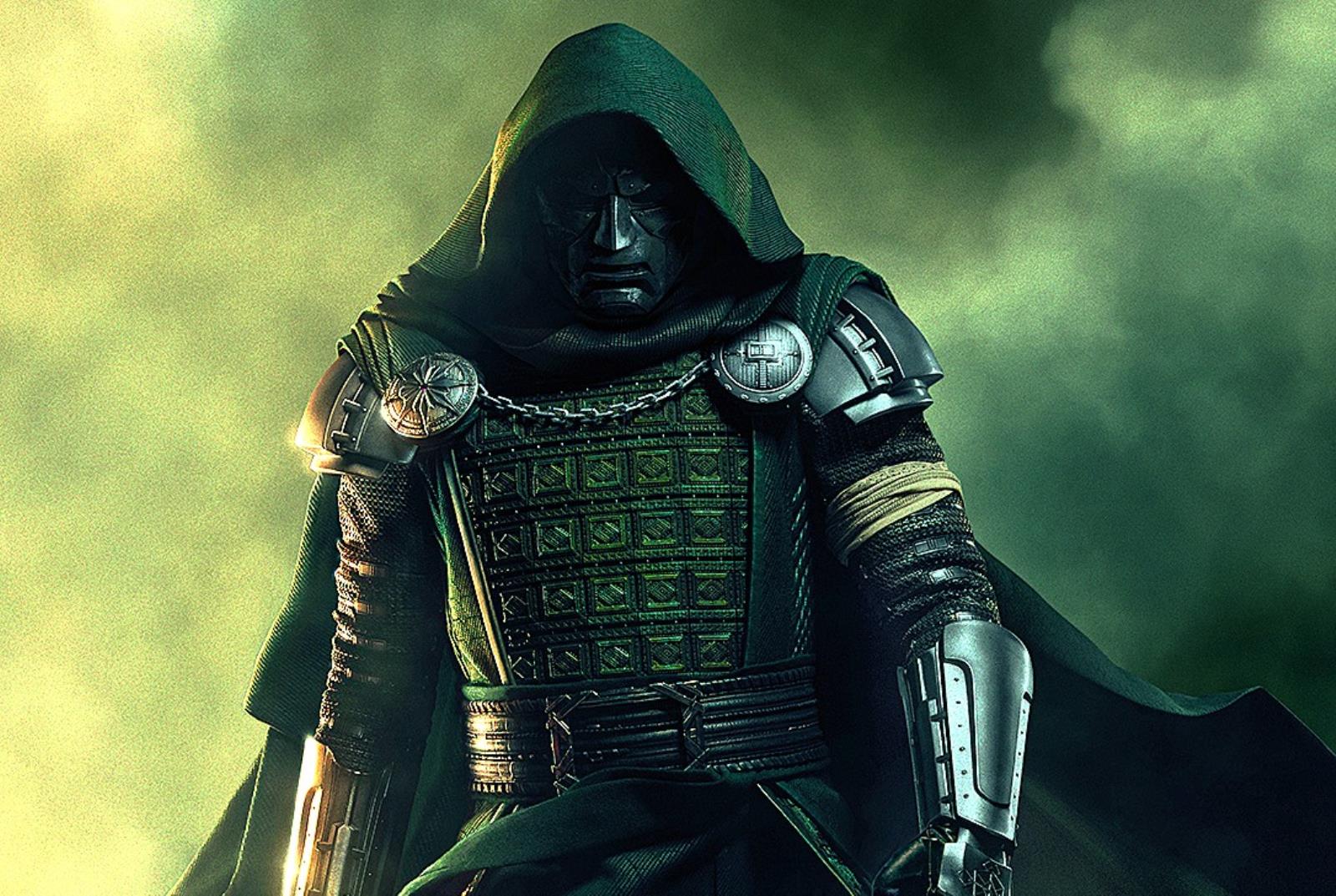
Robert Downey Jr. is returning to the MCU in Doomsday as Doctor Doom.
4
Anthony Russo says the directors don’t feel responsible for tying up every MCU storyline, signaling a flexible approach to intersecting plots within Doomsday and the broader Marvel universe.
5
Endgame Encore is being re-released with four minutes of extra footage linked to Doomsday, as part of bridging the two films.
The Russo Brothers started filming Avengers: Doomsday without a finished script, embracing an improvisation-based approach they call treating the screenplay as a "living organism." Russo Brothers According to the directors, this unconventional method allows actors to shape their characters and contribute fresh ideas just days or weeks before shooting scenes. The shift from the original Avengers: The Kang Dynasty to Doomsday — triggered by Jonathan Majors' departure — set the stage for this adaptive production strategy ahead of the film's December 18, 2026 release.
Sebastian Stan revealed he shot scenes without access to the complete screenplay, saying the team was "just shooting scattered scenes." Comic Beat Producers deliberately withheld the full script from cast members to prevent plot details from leaking to the press. Marvel's willingness to build a movie this way signals confidence in the directors' vision and the cast's ability to create compelling moments even without a traditional locked screenplay.
From Kang Dynasty to Doomsday: A Forced Pivot
Marvel originally planned Avengers: The Kang Dynasty, but Jonathan Majors' firing forced a complete creative overhaul. The studio tapped the Russo Brothers to helm the replacement film, Doomsday, with Robert Downey Jr. returning to the MCU as Doctor Doom. This rushed transition meant there wasn't time to develop a traditional finished screenplay before cameras rolled. Digital Spy The directors accepted this reality and turned it into an asset — using the flexible approach to incorporate ideas from the ensemble cast.
Why Living Scripts Create 'Magic' Moments
The Russo Brothers view their screenplay as continuously evolving rather than locked and fixed. Co-director Joe Russo explained that this method enables actors arriving on set to inject fresh character interpretations into scenes. Archynetys The directors argue that some of the best filmmaking moments happen when cast members collaborate directly, rather than strictly following pre-written dialogue. This approach works best with experienced actors who understand character nuance and storytelling instinct.
Russos Signal Flexible Approach to MCU Continuity
Anthony Russo stated the directors don't feel obligated to tie up every Marvel Cinematic Universe storyline in Doomsday. This signals Marvel is willing to let narrative threads remain loose or resolve unpredictably across future films. The adaptive production style extends beyond script rewrites — it reflects a broader creative philosophy that prioritizes character moments over plot mechanics. Comic Book Movie Reshoots have already concluded, with reports suggesting roles for characters like the Scarlet Witch and Sue Storm in the final cut.
Avengers: Endgame Encore Bridges to Doomsday
Marvel is re-releasing Avengers: Endgame with four minutes of new footage directly linked to Doomsday storylines. This theatrical re-release serves as a bridge between the two films, preparing audiences for the upcoming Doomsday narrative. The strategy confirms that despite the script's evolving nature during production, the studio has a clear vision for how these films connect. Doomsday arrives December 18, 2026.
Sentiment
Mostly NegativeNEGATIVENEUTRALPOSITIVE
Publishers
11
Articles
10
Reach
21
A
AnonymousAuthor


