Double Scams Exposed
Fake Anti-Fraud Agents Prey on Canadian Scam Victims, Stealing Even More Money
Anonymous
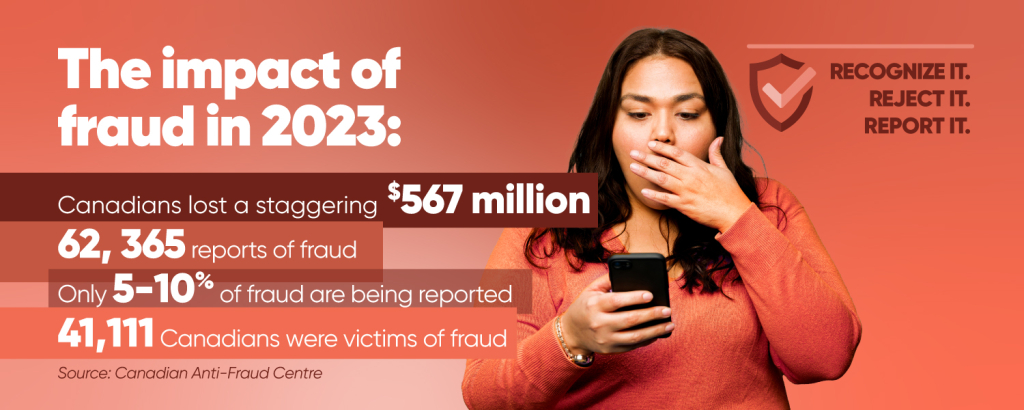
Fraudsters in Canada are posing as anti-fraud agents to steal money from people who have already been scammed. According to The Hamilton Spectator, the criminals pretend to work for the Canadian Anti-Fraud Centre and run what is known as a "bank investigator fraud" — tricking victims into handing over even more cash.
The scheme is cruel by design. Victims, already shaken from a previous scam, are contacted by someone who claims to be helping them recover their losses. Instead, the fake agent steals again from the same person.
How the Bank Investigator Fraud Actually Works
The scam starts with a phone call. Someone claims to be from the Canadian Anti-Fraud Centre or a similar official-sounding agency. They tell the victim they are investigating the original scam. They say they can help get the money back. But first, the victim must provide personal details or send money to "secure" their claim. The Hamilton Spectator reported the scheme is designed to look as legitimate as possible.
This type of fraud is sometimes called a "recovery scam." The fraudster already knows the victim was scammed before. That knowledge makes the fake offer feel real. Victims believe someone is finally on their side. By the time they realize it is another scam, the money is gone.
Why Scam Victims Are Targeted a Second Time
People who have been scammed once are among the most likely to be scammed again. Fraudsters share and sell lists of past victims. These lists are sometimes called "sucker lists" — a term used in the fraud world for people who have already paid out money to scammers. Being on one of these lists puts a target on a person's back.
Older Canadians are especially at risk. Many scams target seniors who may be less familiar with how these tricks work. The emotional toll of being scammed once can also make it harder to think clearly when a second caller promises to fix everything.
The Real Canadian Anti-Fraud Centre Does Not Call You
The actual Canadian Anti-Fraud Centre does not call people out of the blue to offer help. It is a reporting service, not an investigative agency that reaches out to victims directly. If someone calls claiming to be from the Centre and asks for money or banking details, that call is a scam. Hanging up is the right move.
Canadians who believe they have been targeted can report it to the Canadian Anti-Fraud Centre at 1-888-495-8501. Reporting helps track patterns and warn others. The more reports that come in, the better authorities can map out how these fraud rings operate.
How to Protect Yourself From Recovery Scams
The number one rule: no legitimate agency will ask you to send money to recover money. If anyone claiming to be law enforcement or a government agent asks for payment, gift cards, or wire transfers, stop the conversation immediately. Real investigators do not ask victims to pay fees upfront.
Experts say people should verify any caller independently. Do not use the phone number the caller gives you. Look up the official number for the agency online and call it yourself. Talking to a trusted friend or family member before acting can also help break the spell a scammer tries to cast.
Sentiment
NeutralNEGATIVENEUTRALPOSITIVE
Publishers
9
Articles
8
Reach
9
Topics
A
AnonymousAuthor


