Security Agreement Dispute
Israel Rejects 15-Point Peace Plan Amid Concerns Over Future Security and Hamas Strategy
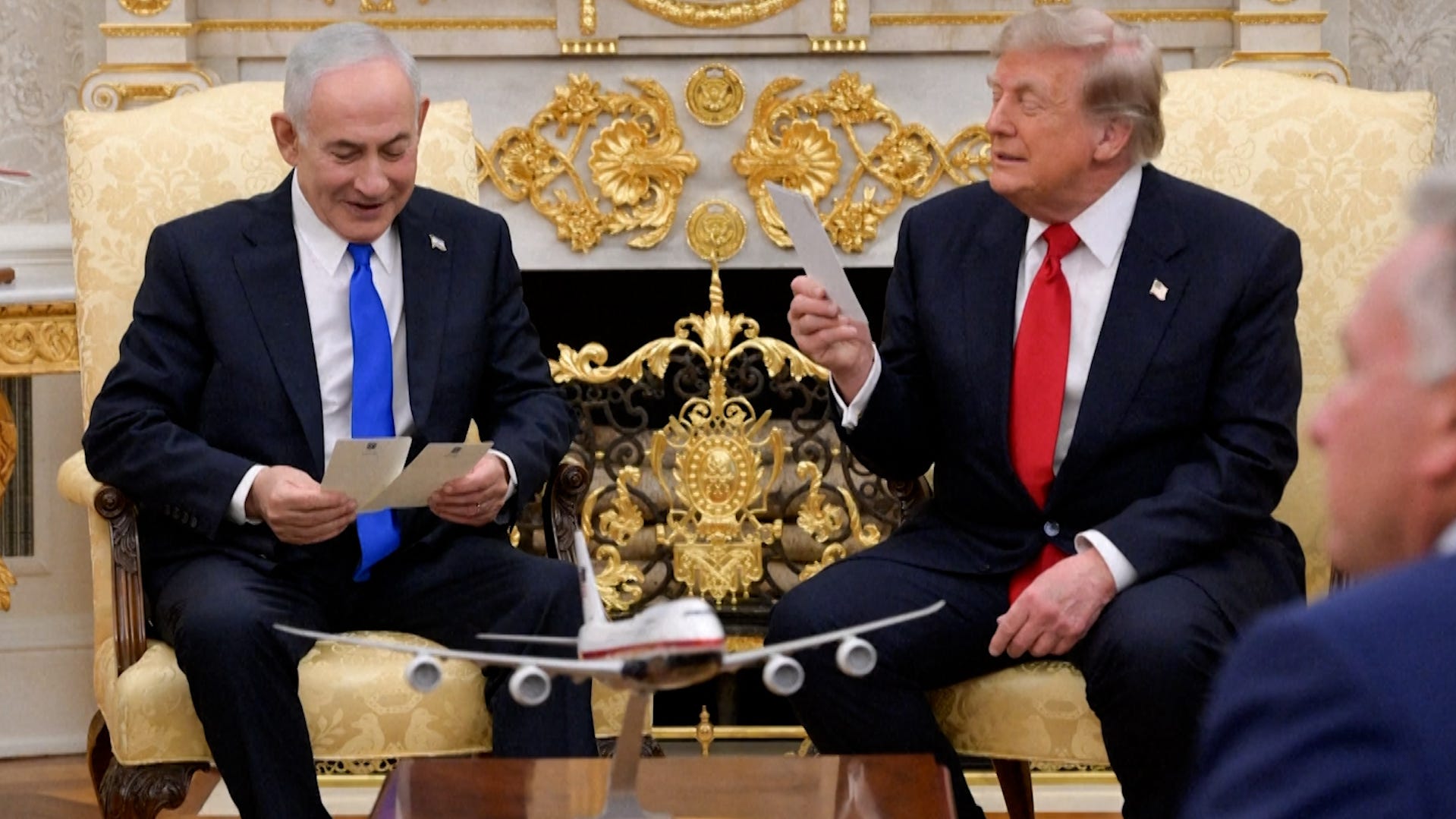
Israel rejected a 15-point peace plan that would leave Hamas's weapons, tunnels, and factories intact rather than destroy them, according to Utica Observer-Dispatch. The proposal would instead transfer these military assets to Arab authorities for storage and control. The rejection raises serious questions about American credibility, President Donald Trump's diplomatic legacy, and whether the United States can broker agreements that actually stick.
The decision highlights a dangerous pattern My Central Jersey warns about: if Hamas is allowed to violate, delay, or reopen agreements while Israel faces pressure to make concessions, Washington will eventually negotiate against itself. The U.S. must make clear that agreements reached with American involvement are not suggestions — they are binding commitments.
Why the Plan Fails to Address Real Threats
The 15-point plan's core flaw is fundamental, Record Online explains. It does not eliminate Hamas's military capacity. Instead of destroying weapons caches, tunnels, and manufacturing sites, the plan merely moves them to Arab-controlled storage. This creates the illusion of security without actual safety. Hamas retains the ability to recover and redeploy these weapons whenever the agreement breaks down.
This approach treats weapons management like a storage problem rather than a security solution. APP.com notes that allowing any hostile group to maintain its arsenal — even in someone else's hands — invites future conflict. If the agreement collapses, as many Middle East peace deals have, Israel faces the same threats it does today.
The Credibility Crisis for America's Commitments
When the United States negotiates an agreement, other nations must believe America will enforce it, Burlington County Times argues. If Hamas violates the terms and Israel is pressured to accept violations, American promises become worthless. Other countries will stop trusting U.S.-brokered deals. The dollar value of American diplomatic power drops with each failed agreement.
Trump's legacy depends on deals that actually work. A failed Middle East agreement would undermine future negotiations with China, Russia, and other powers. Utica Observer-Dispatch warns that Washington cannot simply tell Israel what to accept. Instead, America must guarantee that any agreement it helped create will be enforced — or not make the agreement at all.
Rejecting Rewards for Terrorism and Ideology
The broader principle at stake involves Palestinian ideology itself. My Central Jersey explains that the Palestinian Authority and Hamas both grew from ideological commitments to armed struggle. Offering statehood rewards the use of terrorism as a negotiating tactic. This sends the message that violence works — and encourages future groups to adopt the same methods.
Israel's rejection protects a critical standard: terrorism should not lead to territorial gain or political recognition. Record Online suggests that accepting this plan would validate decades of Hamas violence and rocket attacks. It would also signal to other militant groups that America eventually surrenders to pressure. Sometimes the right choice is to walk away from a bad deal.
Sentiment
NeutralPublishers
5
Articles
4
Reach
5


