Gatwick Runway Incident Cleared
London Gatwick Airport Resumes Flights After a New York Bound Jet Gets Immobilized on Runway
Anonymous
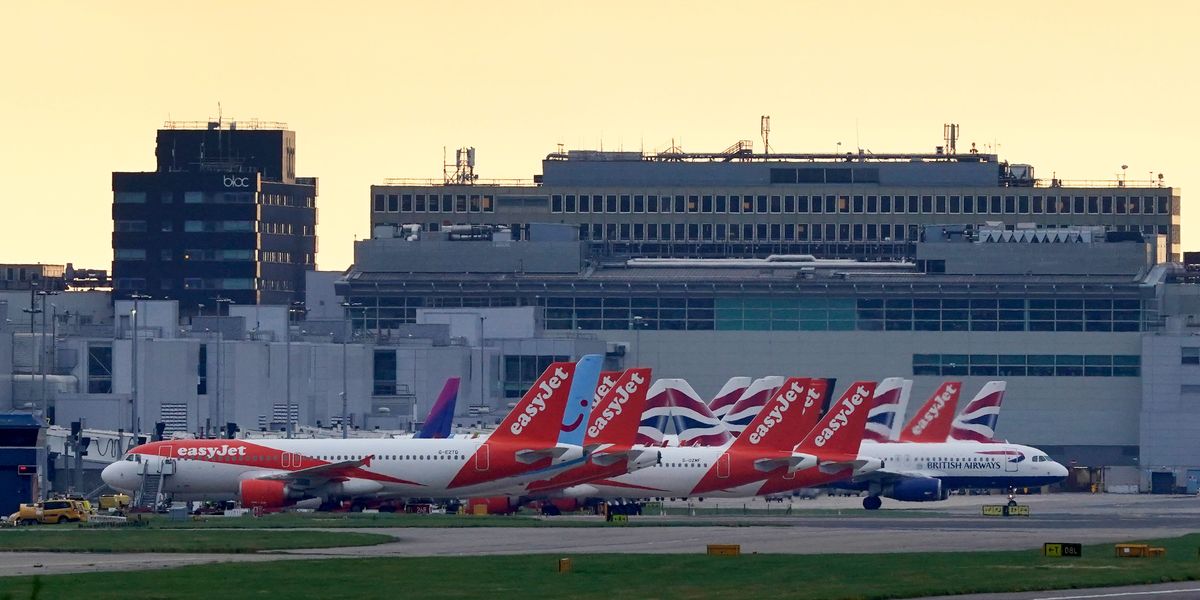
Key Points
1
The aircraft was identified as Norse Atlantic Airways flight Z0701, a Boeing 787-9 Dreamliner scheduled to fly to New York’s John F. Kennedy International Airport.
2
The aircraft reportedly performed a rejected takeoff on runway 26L before becoming disabled at the far end of the runway.
3
Social-media reports and flight-tracking imagery indicated that approximately 20 emergency vehicles surrounded the aircraft after the incident.
4
Some incoming EasyJet flights were redirected to Luton and Stansted, while another report also listed Birmingham Airport as an alternative destination for diverted flights.
Flights at London Gatwick Airport ground to a halt on Friday after a Norse Atlantic Airways Boeing 787-9 suffered a technical problem and became stuck on the runway. The aircraft, scheduled to fly to New York's JFK, aborted its takeoff on runway 26L and remained immobilized at the far end GB News. Emergency crews mobilized about 20 vehicles to respond as the runway closed for roughly 50 minutes The Traveler.
During the closure, incoming flights were diverted to nearby airports including Luton, Stansted, and Birmingham as Gatwick suspended all operations The Traveler. Once crews moved the disabled aircraft, the runway reopened and operations resumed. Gatwick emphasized that safety and security remained its top priority throughout the incident GB News.
Boeing 787 Aborts Takeoff and Blocks Single Runway
Flight Z0701, operated by Norse Atlantic Airways, encountered a technical malfunction while attempting to depart runway 26L on Friday afternoon The Traveler. The aircraft executed a rejected takeoff — a controlled abort before reaching flight speed — but continued moving and became disabled at the far end of the runway GB News. The incident left the aircraft unable to clear the runway on its own, blocking the airport's single main operating runway completely.
The technical issue was later identified as a landing gear problem that prevented the aircraft from safely taking flight UK Head Topics. Emergency vehicles — approximately 20 in total — quickly surrounded the stricken Boeing 787 as crews assessed the situation and prepared recovery operations GB News.
50-Minute Runway Closure Halts All Airport Operations
Gatwick closed its single main runway for approximately 50 minutes while recovery crews worked to move the disabled aircraft The Traveler. During this suspension, all arrivals and departures ceased as the airport had no active runway for operations GB News. This made the incident particularly disruptive, as Gatwick relies on one primary runway to manage its traffic flow.
Once the Boeing 787 was successfully cleared from the runway, operations quickly resumed The Traveler. However, the extended closure had cascading effects throughout the airport's schedule, prompting widespread flight delays and cancellations across multiple airlines GB News.
Multiple Airlines Divert Flights to Nearby Airports
Incoming flights destined for Gatwick were redirected to alternative London-area airports as the runway remained closed The Traveler. EasyJet and other carriers diverted aircraft to Luton Airport, Stansted Airport, and Birmingham Airport — all within reasonable distance of Gatwick GB News. These diversions meant passengers faced longer journeys and disrupted ground transportation plans.
Gatwick advised all passengers to contact their airlines to confirm updated flight schedules and check for delays before traveling GB News. The airport emphasized its commitment to safety and security as the top priority in managing the incident The Traveler.
Sentiment
Mostly NegativeNEGATIVENEUTRALPOSITIVE
Publishers
32
Articles
23
Reach
55
A
AnonymousAuthor


