Macaque on the Loose
Highland Wildlife Park Launches Drone Hunt for Escaped Macaque Luka, Public Warned
Key Points
Media have nicknamed Luka 'Kingussie Kong' or 'King-craig Kong' during his escape saga from the Highland Wildlife Park.
In the 2024 Honshu incident, the macaque was on the loose for five days, was found in a back garden in Insh, and was later moved to Edinburgh Zoo with three other young males to form a new mini-troop due to reintegration challenges.
Public sighting line provided for Luka: 07769165117, with officials reiterating that the public should not approach the macaque.
Drones have been used in the current search for Luka, specifically thermal-imaging drones, and such drone usage was also employed during Honshu’s earlier escape.
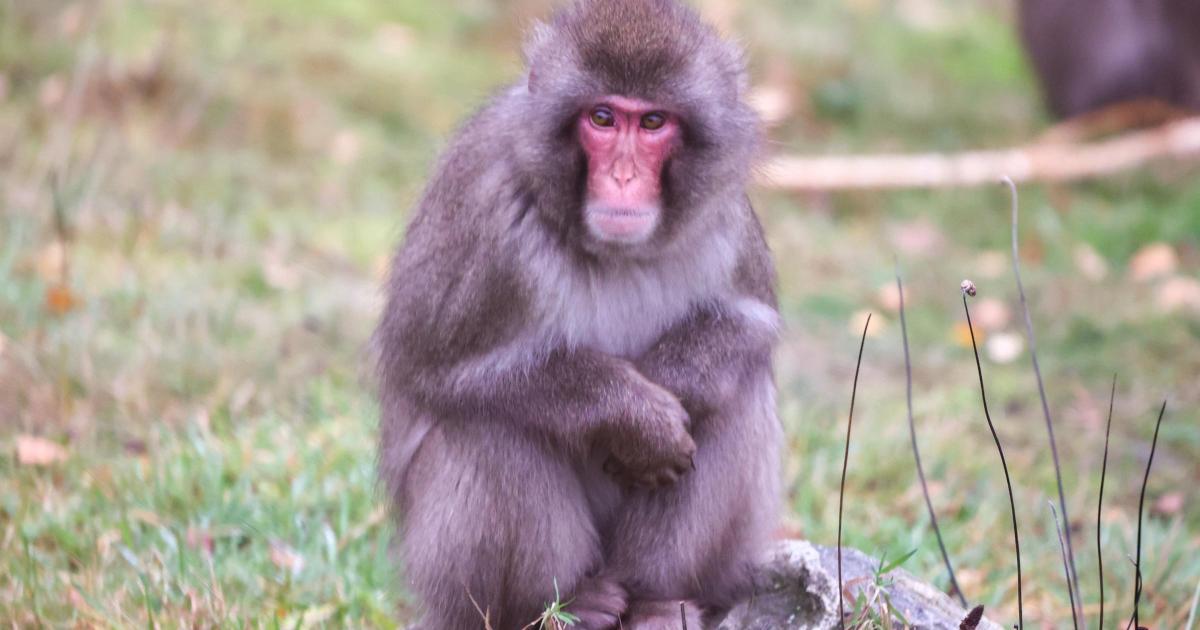
A Japanese macaque named Luka has escaped from the Highland Wildlife Park near Kingussie in the Scottish Highlands, sparking a coordinated search using thermal-imaging drones and other tracking methods, according to Border Telegraph. Luka was last spotted in the Balavil area of Newtonmore, and the Royal Zoological Society of Scotland (RZSS) is asking anyone who sees him to call 07769165117 — but not to approach him.
Media have nicknamed the runaway macaque 'Kingussie Kong,' a nod to the area's name and the primate's dramatic disappearing act. The escape is the latest in a string of breakouts by Japanese macaques from the same park, raising fresh questions about how the enclosure is managed, Yahoo News Canada reported.
Thermal Drones and Sighting Lines Deployed in Search
RZSS teams are using thermal-imaging drones to scan the Highlands landscape for Luka. Thermal drones detect body heat, making them useful for spotting animals hiding in trees or dense vegetation. Darren McGarry, head of animal care at RZSS, said staff are using "a range of techniques" to find him, according to Hereford Times.
The public sighting line — 07769165117 — has been set up so anyone in the area can report a Luka spotting quickly. Officials are clear: do not try to catch or approach the macaque. Japanese macaques, also known as snow monkeys, are strong and can bite. Keeping distance helps keep both people and the animal safe, Lowestoft Journal noted.
Honshu's 2024 Escape Set the Playbook for This Search
This is not the first time Highland Wildlife Park has chased a runaway macaque. In January 2024, a monkey named Honshu escaped and was on the loose for five days. He was eventually found in a back garden in Insh, a village near the park. Drones were also used in that search, Border Telegraph reported.
After Honshu was caught, keepers ran into a new problem: getting him back into the troop was too difficult. He was moved to Edinburgh Zoo along with three other young males, where they formed a small new group. That outcome highlighted how tricky primate social dynamics can be — a monkey that leaves the group may not simply slot back in.
Troop Social Dynamics May Be Behind Repeat Escapes
Keepers at RZSS say the pattern of escapes is not just bad luck. Japanese macaques live in complex social groups with strict pecking orders. Young males — like Luka and Honshu — often face pressure from dominant animals in the troop. That stress can push them to roam or escape, according to Yahoo News Canada.
Understanding these group dynamics is key to preventing future breakouts. The fact that two young males from the same park have escaped in roughly 18 months points to a pattern worth examining. RZSS has not yet said whether changes to the enclosure or group structure are planned after Luka is returned.
What Happens to Luka Once He Is Found
RZSS has not confirmed what will happen to Luka after he is recaptured. His predecessor Honshu ended up at Edinburgh Zoo rather than back in his original troop. Luka's fate may depend on how easily he can be reintegrated — or whether, like Honshu, he will need a fresh start with a new group, Border Telegraph reported.
For now, the search continues across the Highlands. Anyone in the Newtonmore or Balavil area who spots a small, fluffy, human-faced monkey is urged to call the sighting line immediately. Do not feed him, corner him, or try to catch him — just call.
Sentiment
Mostly NegativePublishers
12
Articles
58
Reach
70


