Dormant Bitcoin Movement
Ancient Bitcoin Wallets From 2010 Move $48 Million After 16 Years
Anonymous
Key Points
1
The coins were held in legacy Pay-to-Public-Key (P2PK) addresses, an early Bitcoin transaction format, and were swept into newer Pay-to-Witness-Public-Key-Hash (P2WPKH) wallets at block height 965,639.
2
Blockchair assigned the transfers a moderate privacy score of 60 out of 100, according to data cited by Bitcoin.com News.
3
The March 2010 mining environment was unusually accessible: network difficulty was near one, and Bitcoin could be mined using an ordinary laptop or other CPU-based computer.
4
The 50 BTC reward attached to each of these blocks has since been reduced by four halvings; the most recent, in April 2024, cut the subsidy from 6.25 BTC to 3.125 BTC.
5
Lookonchain separately reported that seven early-miner wallets moved 350 BTC after 16.5 years, an earlier subset of the broader activity involving the 12 rewards.
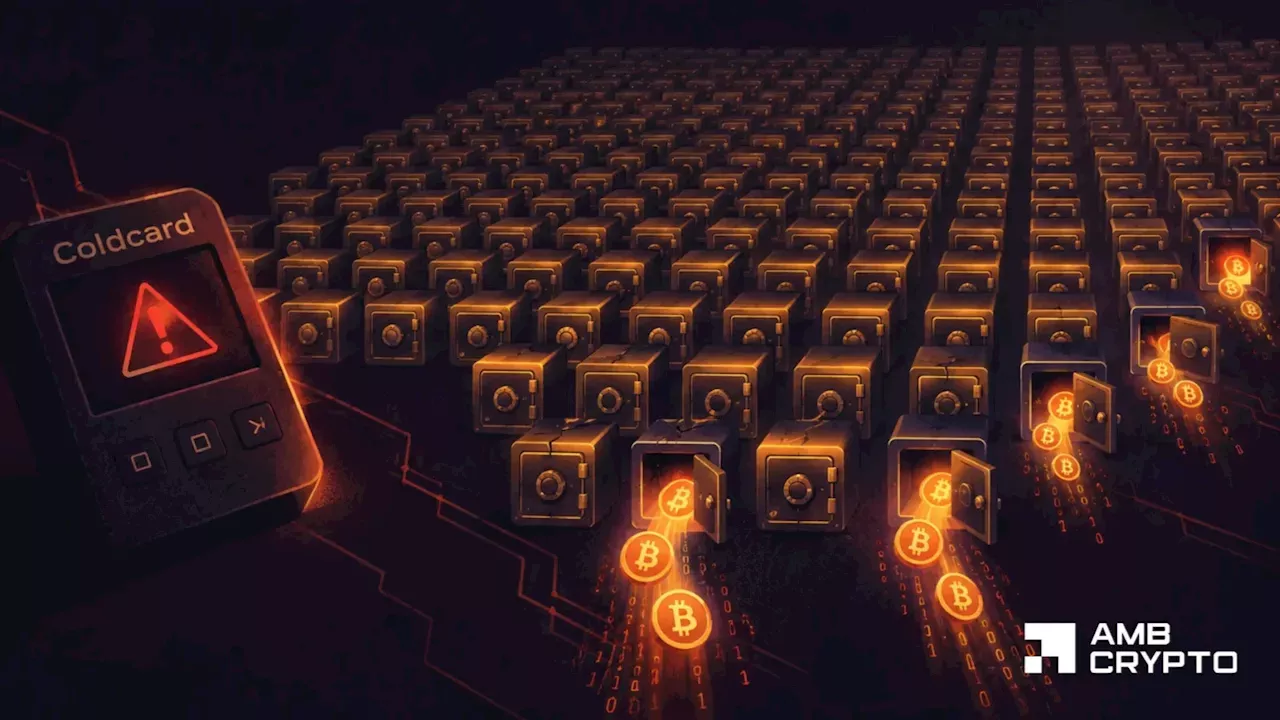
Twelve Bitcoin addresses that lay dormant for over 16 years sprang to life on September 5, 2026, moving 600 BTC worth roughly $48 million. Whale Alert confirmed the coins originated from mining rewards issued in March 2010, when Bitcoin could be mined on a laptop and each block paid 50 BTC. The movement reignited speculation about links to Bitcoin's creator, Satoshi Nakamoto, though Whale Alert found no concrete connection.
Ancient Mining Rewards Leave Cold Storage
The 600 BTC came from 12 blocks mined in March 2010, when network difficulty sat near one and ordinary computers could compete. Each block generated 50 BTC rewards — far larger than today's 3.125 BTC per block after four halvings since then. The coins sat untouched for 16 years in legacy Pay-to-Public-Key addresses before being swept into newer Pay-to-Witness-Public-Key-Hash wallets at block 965,639.
Satoshi Nakamoto Connection Ruled Out
The sudden movement of such old coins immediately sparked theories linking them to Bitcoin's pseudonymous creator, Satoshi Nakamoto, who was active in early 2010. Whale Alert analyzed the 12 blocks and found no evidence connecting them to Nakamoto. Bitcoin.com News reported that Blockchair assigned the transfers a moderate privacy score of 60 out of 100, offering limited insight into the holder's identity or intentions.
Holder Avoids Selling, Keeps Coins Private
Rather than sending the coins to exchange wallets for sale, the holder moved them into newer personal addresses. This suggests no immediate intention to liquidate the massive holding. The transfers remain a mystery — the coins could be reclaimed by an early miner, a long-lost private key recovered, or simply a wallet reorganization by someone who values privacy over selling.
Earlier Wave of Early-Miner Activity
Lookonchain separately reported that seven early-miner wallets had moved 350 BTC after 16.5 years dormant — likely the same activity or a related subset. These movements reflect growing activity in Bitcoin's oldest wallets, drawing intense scrutiny from blockchain analysis firms tracking whale movements and historical coins entering circulation.
Sentiment
Mostly NegativeNEGATIVENEUTRALPOSITIVE
Publishers
23
Articles
20
Reach
43
A
AnonymousAuthor


