No Talks Without Preconditions
Iran Rules Out US Negotiations Until Washington Accepts All Stated Preconditions
Anonymous
Key Points
1
Azizi wrote on X: “No negotiations — and until Iran’s conditions are accepted, talks remain futile.”
2
According to the report, Tehran and Washington signed a memorandum of understanding on June 18 intended to end the war launched by the United States and Israel against Iran on February 28.
3
The Strait of Hormuz has become a central arena of confrontation: Washington is seeking to ensure freedom of navigation and counter alleged Iranian efforts to disrupt maritime traffic, while Tehran rejects U.S. claims of control over the waterway. The dispute has implications for trade flows, oil prices and Gulf maritime security.
4
Current President Donald Trump acknowledged that “the American military operation against Iran has lasted longer than anticipated,” according to the report.
5
The reported standoff is unfolding as the United States and Iran have resumed tit-for-tat strikes after a pause in fighting during much of August, while Iran-aligned Houthi rebels have tightened their grip in the Red Sea region.
Iran will not negotiate with the United States unless Washington first accepts all of Tehran's stated conditions, according to WANA News Agency. Ebrahim Azizi, chairman of Iran's parliamentary National Security and Foreign Policy Committee, declared that talks under any other circumstances would be "futile," posting on X that "no negotiations — and until Iran's conditions are accepted, talks remain futile." The stance blocks diplomatic pathways at a moment when the two countries face mounting tensions over maritime security and control of critical Gulf shipping lanes.
The demand for preconditions directly contradicts calls from the United States and Europe for unconditional talks, leaving prospects for renewed diplomacy deeply uncertain Daily Beirut reported. This hardline position emerged after Bloomberg Bit noted that Iran and the US signed a memorandum of understanding on June 18 meant to end the war launched on February 28. President Trump acknowledged the conflict "has lasted longer than anticipated," according to reporting on his recent statements.
Tehran Sets Preconditions Washington Shows No Sign of Accepting
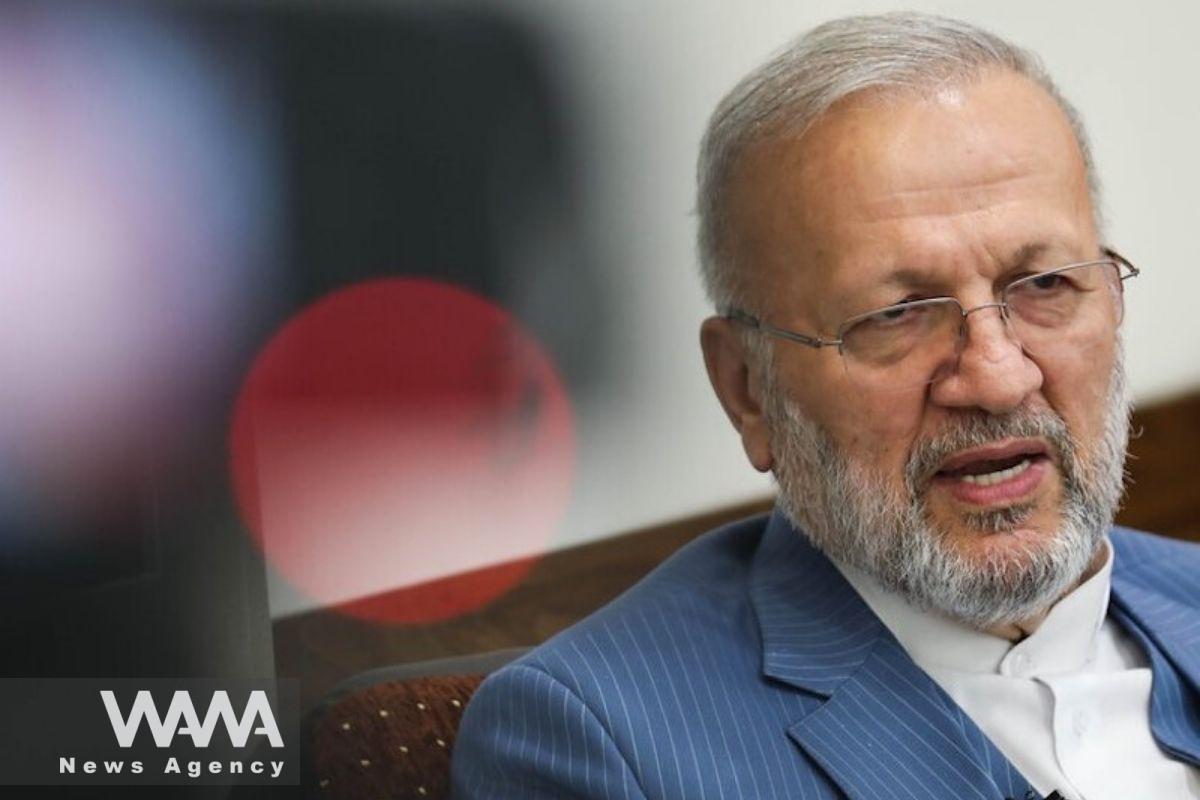
Iran's position leaves little room for compromise. SABA News reported that Azizi stated any dialogue with the US will fail unless it accepts all of Iran's conditions. The Iranian official did not publicly detail what those conditions are. But regional analysts expect they likely include US military withdrawal from the Gulf and recognition of Iranian regional influence. Former Foreign Minister Manouchehr Mottaki urged Iranian leaders to avoid even using the word "negotiation" in public speeches WANA News Agency reported, signaling hard-line pressure within Iran's government.
Strait of Hormuz Becomes Flashpoint Over Freedom of Navigation
The Strait of Hormuz sits at the heart of the standoff. Washington is pushing to ensure freedom of navigation through the waterway, which carries roughly one-third of global sea-trade oil. The US also accuses Iran of deliberately disrupting maritime traffic. Tehran rejects these claims and argues the US has no right to control the vital chokepoint. This dispute affects global trade flows, oil prices, and the security of ships crossing the Gulf daily.
Fighting Resumes After Brief August Pause
The two sides have returned to tit-for-tat military strikes after a pause in combat during much of August Daily Beirut reported. Meanwhile, Iran-aligned Houthi rebels have tightened their grip in the Red Sea region, creating additional pressure points. With neither side willing to back down and Iran demanding unmet preconditions, the cycle of escalation shows few signs of breaking. American and Iranian forces remain locked in a conflict that shows no imminent end.
Sentiment
Mostly NegativeNEGATIVENEUTRALPOSITIVE
Publishers
23
Articles
16
Reach
39
A
AnonymousAuthor


