Titanium Makes Foldables Tougher
Samsung's Flex Titanium Enhances Next-Gen Galaxy Foldables with Improved Durability and Thinner Displays
Anonymous
Key Points
1
The titanium-alloy film beneath the OLED panel is produced via ultra-precise rolling to achieve a thickness about one-third the thickness of a human hair, enabling thinner overall panels.
2
Samsung says the titanium alloy film provides about 20 times higher rigidity than the polymer film used in current foldable displays, contributing to durability and wrinkle reduction.
3
Advanced hole processing creates micro-patterned holes in the folding section of the titanium plate to squeeze out air gaps between the display module and adhesive, allowing the plate to clamp more tightly to the display and stabilize the panel when unfolded.
4
In the folded region, the size of the fine holes is drastically reduced to support a solid adhesive structure while still preserving flexibility for folding.
5
Kyung-Jin Yoo, EVP and Head of Mobile Display Product Development Team at Samsung Display, said: 'By introducing sophisticated micro-patterned holes to the folding section of the titanium plate, we have successfully secured flexibility with robust durability.'
Samsung has unveiled Flex Titanium, a two-part titanium system built into its next-generation Galaxy foldable phones. The technology promises stronger screens, less visible creases, and thinner panels — all at once, according to fone arena.
The announcement comes just one week before Samsung's Galaxy Unpacked event in London, where new Galaxy Z Fold and Z Flip models are widely expected, ITWire reported.
Two-Layer Titanium Stack Powers the New Design
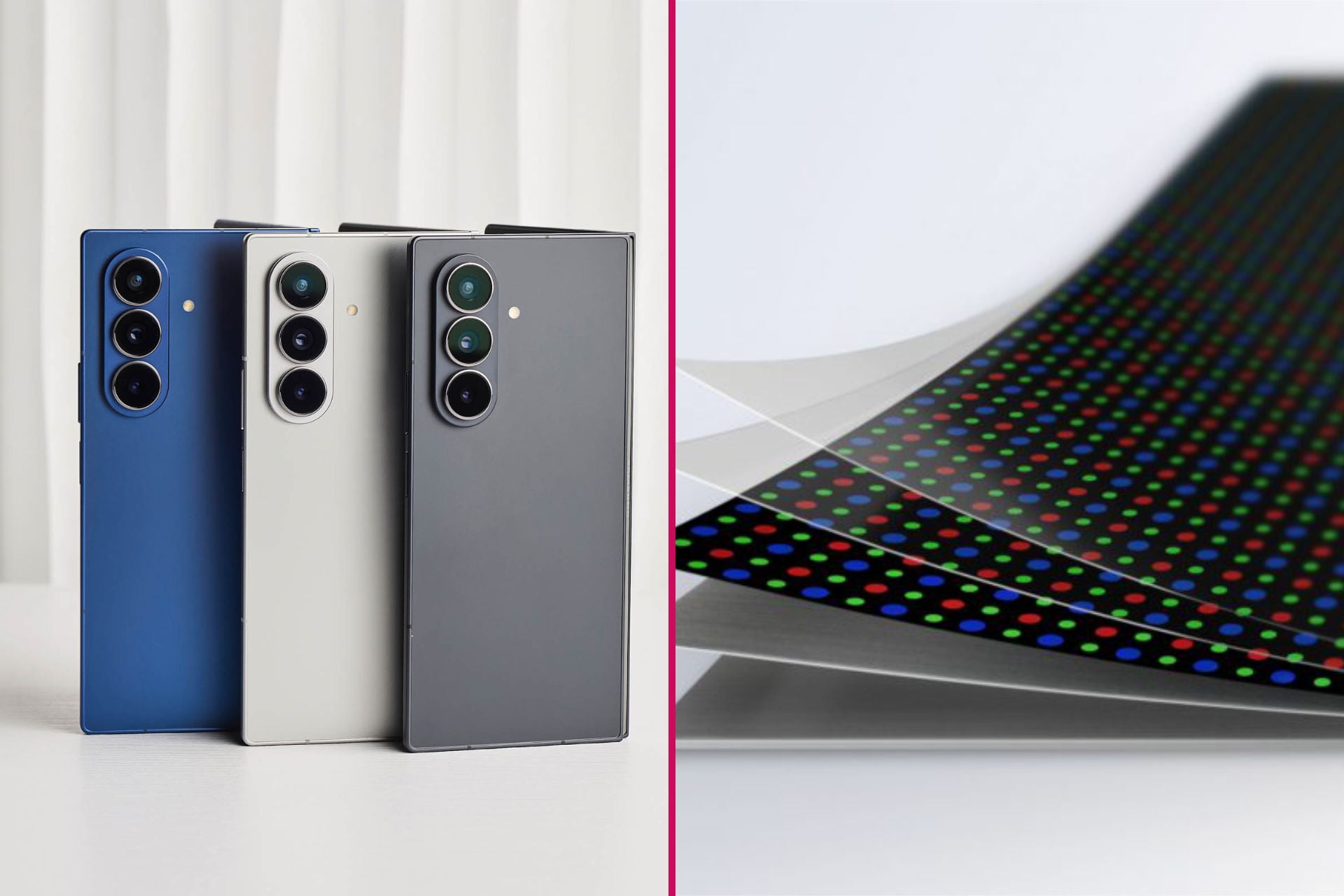
Flex Titanium uses two separate components working together. A titanium-alloy film sits just beneath the OLED panel. A titanium plate sits below that. Together, they replace the polymer film used in current foldable displays, according to Manila Shaker.
The titanium-alloy film is made through ultra-precise rolling. The result is a layer about one-third the thickness of a human hair. Samsung says the film offers about 20 times higher rigidity than the polymer film it replaces, which helps cut down on screen wrinkles and boosts overall durability.
Micro-Patterned Holes Keep Foldables Flexible and Firm
The titanium plate has tiny holes cut into its folding section. These micro-patterned holes push out air gaps between the display and the adhesive layer. That lets the plate grip the screen more tightly and keeps the panel stable when the phone is open, according to Gadget Guy.
In the folded area, the holes shrink in size. Smaller holes there preserve a solid adhesive structure while still letting the phone bend. Kyung-Jin Yoo, EVP and Head of Mobile Display Product Development at Samsung Display, said: "By introducing sophisticated micro-patterned holes to the folding section of the titanium plate, we have successfully secured flexibility with robust durability."
Thinner Panels Could Mean Better Battery Life Too
Because the titanium film is so thin, the total display panel gets slimmer. A thinner panel can lower power draw, which may lead to gains in battery efficiency, EFTM noted. Samsung has not yet shared exact numbers for those gains.
The slimmer build also helps Samsung keep the overall phone thin — a constant challenge with foldables. The company says Flex Titanium is built to survive thousands of folding cycles, helping these devices hold up like a regular everyday phone.
Samsung Races to Make Foldables Feel Like Normal Phones
Samsung has framed Flex Titanium as a key step toward making foldable phones feel as tough as standard smartphones. The visible crease down the middle of foldable screens has long been a complaint from users. Higher rigidity in the display layer directly targets that problem, according to fone arena.
ITWire also noted that Apple is separately working on liquid metal technology for its own foldable hinge. The competing efforts show how much pressure exists across the industry to solve foldable durability before the category goes truly mainstream.
Sentiment
Mostly PositiveNEGATIVENEUTRALPOSITIVE
Publishers
57
Articles
82
Reach
139
A
AnonymousAuthor


