Al-Aqsa Incursion Condemned
Regional powers condemn Israeli officials' Al-Aqsa incursion, warning of dangerous escalations and status quo violations
Anonymous
Key Points
1
The Higher Presidential Committee for Church Affairs said thousands of settlers stormed Al-Aqsa under military protection, raised Israeli flags, sang the national anthem, and erected a tent inside the grounds; they also noted the Grand Mufti of Jerusalem was barred entry ahead of the incursion, describing this as part of a broader policy to restrict Palestinian religious authorities.
2
Around 3,000 Jewish worshipers reportedly visited the Temple Mount during the incident, with far-right National Security Minister Itamar Ben-Gvir seen at the site; police allowed the visits and have highlighted the Temple Mount as the holiest site in Judaism, while Al-Aqsa is the third-holiest in Islam and the status quo is tied to the 1994 arrangements recognizing Jordan’s role.
3
Jordan’s foreign ministry condemned the police role in facilitating the incursions and urged the international community to take a firm stance to halt such activities, reiterating that the site is a place of worship exclusively for Muslims and urging action to uphold the historical and legal status quo.
4
Ambassador Fouad Al-Majali of Jordan’s Foreign Ministry characterized the incursion as a clear violation of international law and international humanitarian law, and as an attempt to impose a new reality at Al-Aqsa by changing the site’s time and space.
5
The Palestinian Ministry of Religious Endowments and Affairs described the incursion as a blatant violation of Islamic sanctity, accusing the occupation of using Jewish occasions to intensify incursions and to perform Talmudic rituals within Al-Aqsa; they warned of a systematic plan to impose a temporal and spatial division of the site and reaffirmed that Al-Aqsa is Muslims’ exclusive right and indivisible.
Israel's far-right National Security Minister Itamar Ben-Gvir stormed the Al-Aqsa Mosque compound alongside thousands of Jewish worshipers on Tisha B'Av, triggering a wave of condemnations from Jordan and Palestinian authorities. The Guardian reported that Ben-Gvir joined what it described as Jewish extremists in a provocative display of political power at one of the world's most sensitive holy sites.
Around 3,000 Jewish worshipers visited the Temple Mount during the incident, according to Times of Israel. Jordan called it a "flagrant violation" of international law. Palestinian and Jordanian officials warned the incursion could destabilize the region and undermine any path to peace.
Flags, Tents, and a Barred Grand Mufti Inside Al-Aqsa
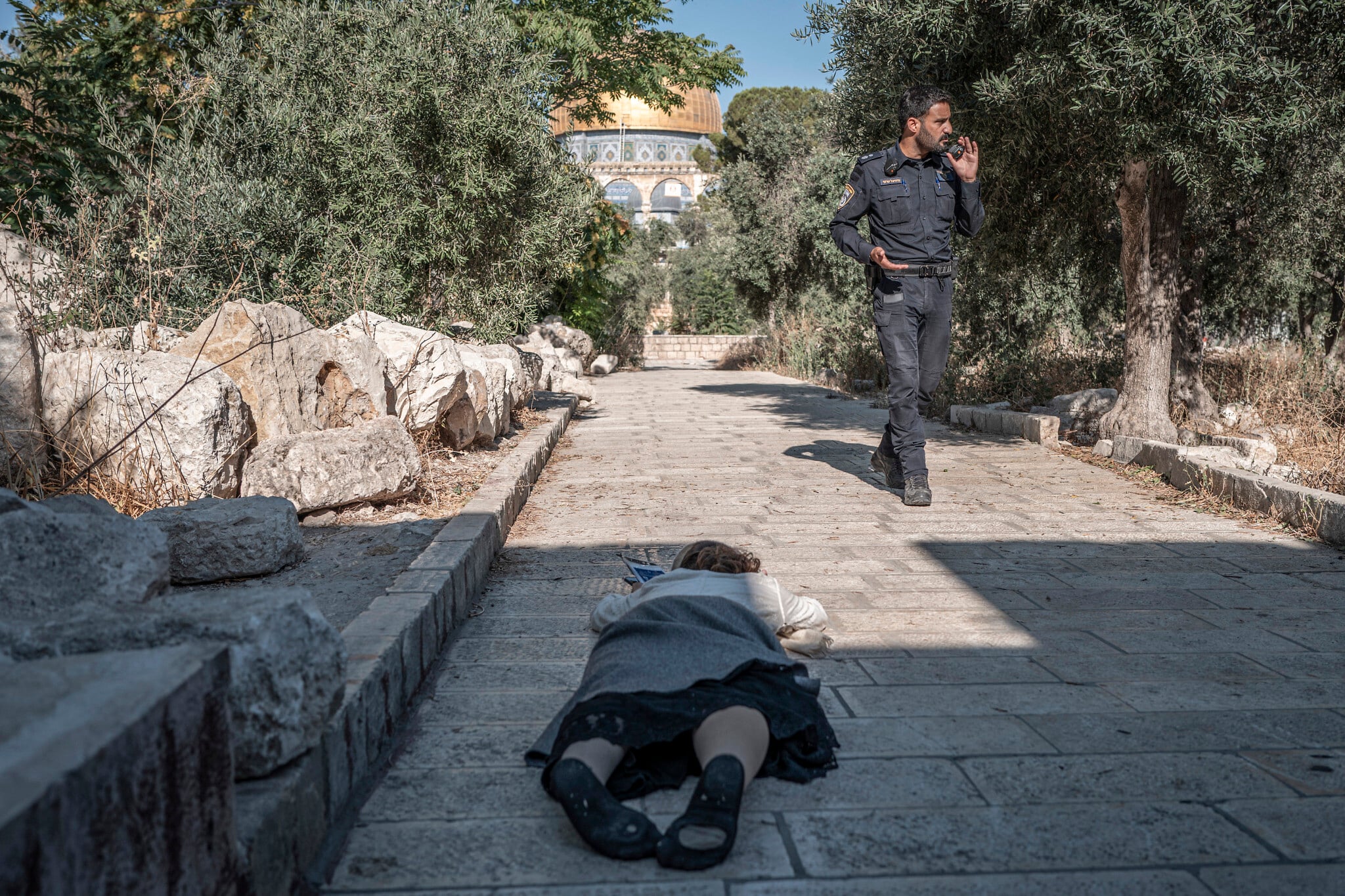
The scene inside the compound was striking. Settlers raised Israeli flags, sang the national anthem, and erected a tent within the grounds, according to Palestinian officials. Israeli police provided protection throughout the visit. The Grand Mufti of Jerusalem was barred from entering the compound ahead of the incursion — a move Palestinian authorities described as deliberate.
The Palestinian Ministry of Religious Endowments accused Israel of using Jewish religious occasions to intensify incursions and perform what it called "Talmudic rituals" inside Al-Aqsa. The Ministry warned of a "systematic plan" to impose a temporal and spatial division of the site. It reaffirmed that Al-Aqsa is Muslims' exclusive right and cannot be shared or divided.
Jordan Calls It a Clear Violation of International Law
Jordan's Foreign Ministry issued a sharp condemnation, calling out Israeli police directly for facilitating the incursions. Ambassador Fouad Al-Majali said the storming was a "clear violation of international law and international humanitarian law." He described it as an attempt to impose a new reality at Al-Aqsa by changing the site's time and space arrangements.
Jordan holds a special custodial role over Jerusalem's holy sites under the 1994 peace treaty with Israel. That arrangement gives Amman legal standing to speak on the status quo at Al-Aqsa. Times of Israel noted Jordan condemned the visit as a breach of that long-standing status quo. Officials called on the international community to take firm action to halt such activities.
Palestinian Bodies Warn of a Coordinated Escalation Pattern
The Higher Presidential Committee for Church Affairs described the incursion as part of a broader, coordinated policy. The Committee said Israel is systematically restricting Palestinian religious authorities from accessing holy sites. It urged a continuous Palestinian presence at Al-Aqsa to counter what it called ongoing violations by settlers and government officials.
Palestinian officials stressed that this was not an isolated event. They portrayed the incursions as a deliberate effort to change facts on the ground. Both Islamic and Christian holy sites were mentioned as targets of this broader policy. Officials called on the UN and international organizations to pressure Israel and enforce protections for worship sites.
Ben-Gvir's Role Signals Government Backing for Settler Activity
Ben-Gvir's presence was the most provocative element of the day. As National Security Minister, his attendance sent a clear signal that the Israeli government was not just permitting the visits — it was endorsing them. The Guardian described his appearance as a display of political power. Israeli police have separately emphasized that the Temple Mount is the holiest site in Judaism.
Al-Aqsa is the third-holiest site in Islam. The competing religious and political claims over the compound have repeatedly triggered violence over decades. Jordanian and Palestinian officials warned that continued incursions of this scale could have dangerous consequences for regional stability. They urged immediate international intervention to halt what they called a dangerous escalation.
Sentiment
Mostly NegativeNEGATIVENEUTRALPOSITIVE
Publishers
11
Articles
12
Reach
23
A
AnonymousAuthor


