Liverpool Leadership Shifts
Michael Edwards Departs FSG Role, Prompting Uncertainty for Liverpool's Future Leadership Structure
Anonymous
Key Points
1
FSG's multi-club expansion plan ultimately did not progress; discussions with Getafe and explorations of other European clubs such as Bordeaux and Málaga did not materialize into formal deals due to the numbers involved.
2
Liverpool's leadership structure will shift as FSG president Mike Gordon takes on greater day-to-day control of the club following Edwards's exit.
3
Richard Hughes's future remains uncertain with his contract due to expire in 2027 and ongoing speculation linking him to a move to Saudi Pro League side Al-Hilal.
4
Edwards was not the sole driving force behind transfers in the last few years; Premier League transfer activity in that period was brokered by Richard Hughes, who oversaw deals such as Alexander Isak and Florian Wirtz.
5
In his departure statement, Edwards expressed pride in Liverpool's position and thanked supporters, saying he leaves believing the club has a clear direction and the foundations for continued success.
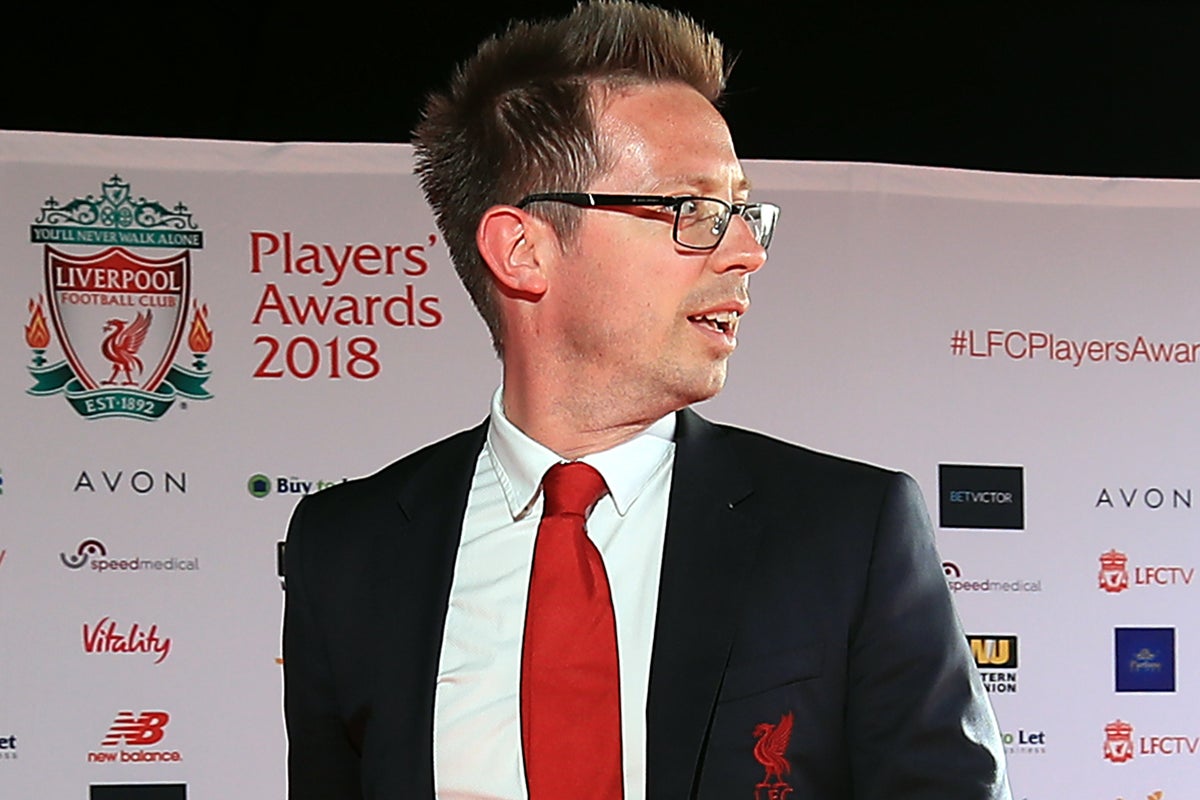
Michael Edwards is leaving Fenway Sports Group, ending his second stint overseeing Liverpool's football operations. The Independent reports Edwards resigned after growing dissatisfied with the role he was given, having served out his notice period before making the exit official.
The departure leaves Liverpool facing a leadership shake-up this summer. FSG president Mike Gordon will now take on greater day-to-day control of the club. The exit also comes at a delicate moment, with sporting director Richard Hughes's own future in doubt.
FSG's Multi-Club Dream Quietly Falls Apart
Edwards returned to FSG two years ago with a clear mission: build a multi-club empire to rival Manchester City's City Football Group. The plan never got off the ground. Talks with Spanish club Getafe went nowhere. Explorations of Bordeaux and Málaga also stalled. According to The Independent, the numbers simply did not work for FSG.
Without a broader network of clubs to oversee, Edwards's role lost much of its purpose. His position as CEO of football operations at FSG was built around that expansion strategy. When the strategy died, so did much of his reason for being there.
Mike Gordon Steps Up as Liverpool's Guiding Hand
With Edwards gone, FSG president Mike Gordon will take a more hands-on role at Anfield. Gordon has long been involved in Liverpool's direction behind the scenes. But this marks a more formal step into the spotlight for him. Liverpool fans will be watching closely to see what that means for the club's transfer strategy and long-term ambition.
Edwards, in his exit statement, said he leaves believing Liverpool has "a clear direction" and the foundations for continued success. He thanked supporters and expressed pride in the club's current position. The words were warm. But the timing of the exit — mid-rebuild, mid-uncertainty — raises real questions.
Richard Hughes's Future Adds to the Uncertainty
Edwards is not the only senior figure whose future is unclear. Sporting director Richard Hughes has a contract running until 2027, but The Independent reports he has been linked with a move to Saudi Pro League club Al-Hilal. If Hughes leaves too, Liverpool would face a significant void at the top of its football structure.
It is worth noting that Hughes, not Edwards, drove Liverpool's recent transfer activity. Hughes brokered deals including Alexander Isak and Florian Wirtz. Edwards's influence on signings had faded in recent years. So his departure may hurt Liverpool's vision more than its day-to-day transfer work — for now.
A Second Goodbye From Liverpool's Transfer Mastermind
Edwards first left Liverpool in 2022 after helping build one of Europe's most admired squads under Jurgen Klopp. He was the architect of signings like Mohamed Salah, Virgil van Dijk, and Alisson. FSG lured him back in 2023 with the promise of a bigger role across multiple clubs. That promise went unfulfilled.
This second exit feels quieter than the first. No grand project was completed. No trophy was lifted on his watch this time around. But Edwards leaves Liverpool as Premier League champions under Arne Slot, a manager he helped bring in. That, at least, is a legacy worth claiming.
Sentiment
Mostly NegativeNEGATIVENEUTRALPOSITIVE
Publishers
41
Articles
64
Reach
105
Topics
A
AnonymousAuthor


