Abortion Access Expands
Massachusetts Expands Abortion Access Later in Pregnancy, Deepening Post-Roe State Divide
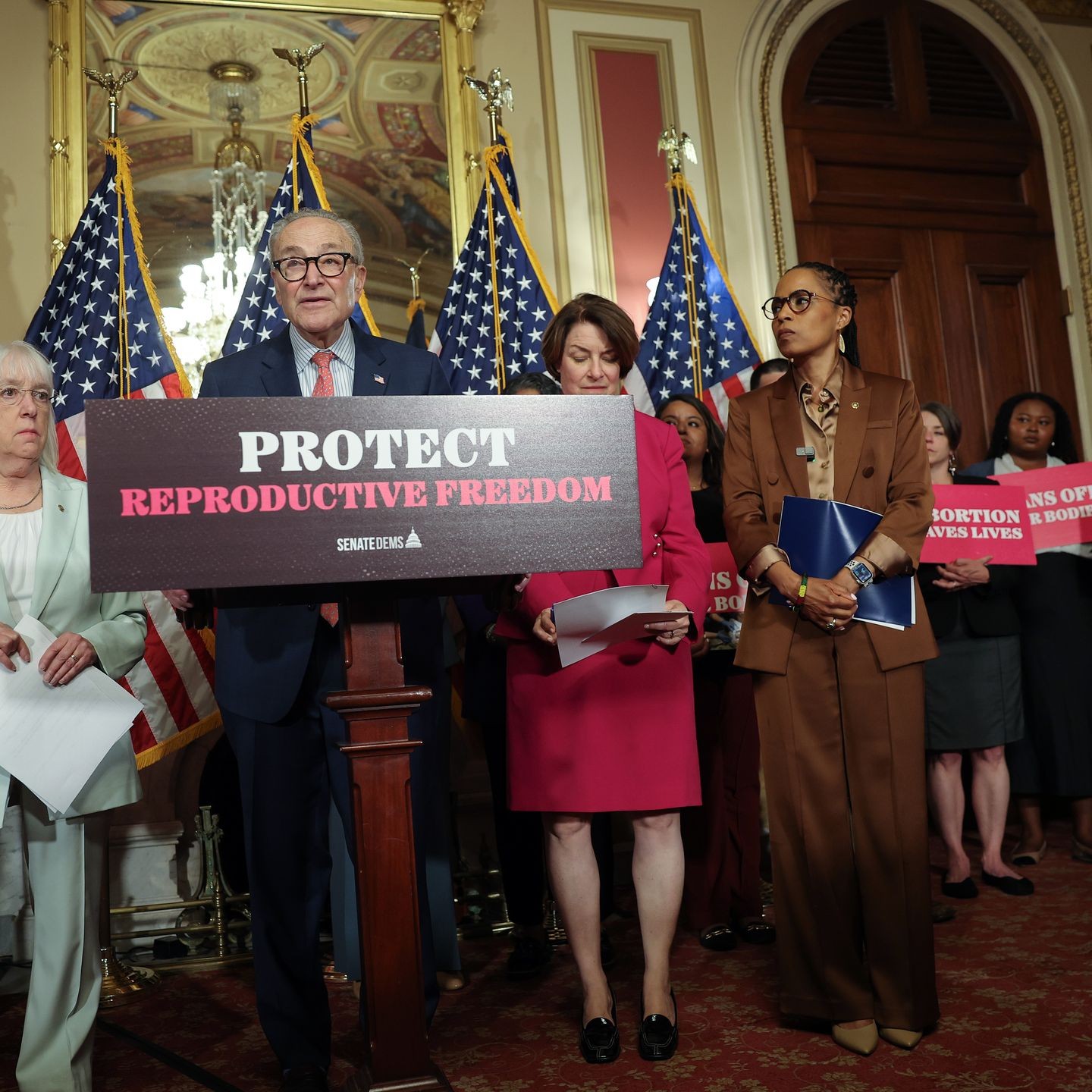
Massachusetts Gov. Maura Healey has signed a law removing restrictions on abortions after 24 weeks of pregnancy, making the state one of a growing number with no specific gestational time limit on abortion. The move comes four years after the Supreme Court overturned Roe v. Wade, handing abortion policy to individual states, according to ABC News.
The new law lets physicians decide based on each patient's individual medical circumstances. Massachusetts joins at least nine other states — including Colorado, Oregon, and Vermont — that impose no specific cutoff on when abortions can be performed, KATU reported.
What the New Massachusetts Law Actually Changes
Before the new law, Massachusetts set a hard limit at 24 weeks of pregnancy. Abortions after that point required approval beyond a single doctor's judgment. The new law eliminates that hard cutoff. Now, a physician can make the call based on the patient's specific health situation, according to Idaho News.
The change does not mean late-term abortions will become common. Abortions after 24 weeks are rare and typically involve serious medical complications. The law gives doctors the legal room to act without fear of criminal penalty in those difficult cases.
Which States Now Have No Gestational Time Limit
Massachusetts is now part of a bloc of states with no specific gestational limit on abortion. That group includes Alaska, Colorado, Maryland, Michigan, Minnesota, New Jersey, New Mexico, Oregon, and Vermont, according to CBS Austin. These states stand in sharp contrast to others that ban abortion entirely or set limits as early as six weeks.
The gap between the most and least restrictive states continues to grow. States like Texas and Idaho have near-total bans in place. That divide means a patient's access to abortion depends almost entirely on which state they live in — or can travel to.
Anti-Abortion Groups Push Back Hard on the Move
Anti-abortion groups quickly criticized the new law. They argue it goes further than most Americans are willing to support. Critics say allowing abortion at any point in pregnancy without a fixed limit crosses a line, according to Fox San Antonio.
Supporters of the law fired back. They say the restrictions being removed only ever applied in rare, medically complex cases. Healey and allies framed the bill as a fix for situations where doctors previously faced legal risk when trying to help critically ill patients.
Abortion Divide Likely to Shape Midterm Elections Ahead
The widening state-by-state split on abortion is expected to stay front and center as November's midterm elections approach. Abortion has been one of the most powerful political forces since the Supreme Court's 2022 ruling, driving voter turnout in several key races, WJLA reported.
Democrats have leaned into expanded access as a winning issue. Republicans have largely backed restrictions, though some have tried to find middle ground. With Massachusetts now firmly in the no-limit column, both sides have a sharper contrast to campaign on heading into the fall.
Sentiment
NeutralPublishers
11
Articles
11
Reach
11