Tesla's Cautious Miami Rollout
Tesla Launches Robotaxi Service in Miami, Its Third U.S. Market, with Cautious Approach
Anonymous
Key Points
1
Tesla's Miami geofence covers roughly 10–14 square miles focused on western/central Miami and the airport corridor, including MIA and key connectors such as SR 826 and US 41.
2
Austin's robotaxi fleet remains relatively small, with about 50 vehicles historically in the city, an unsupervised portion that is far smaller (roughly 14 active cars), and wait times frequently exceeding 15 minutes as the program scales.
3
Local regulatory readiness steps included Coral Gables fire crews completing emergency-response training with Tesla days before the Miami launch.
4
Florida law permits fully driverless operation if a vehicle meets federal standards, and Tesla's Miami rollout follows earlier markets that used in-car safety monitors before removing them.
5
Tesla's Miami entry arrives as rivals Waymo and Zoox accelerate their own autonomous ride-hailing expansions, adding competitive pressure to the market.
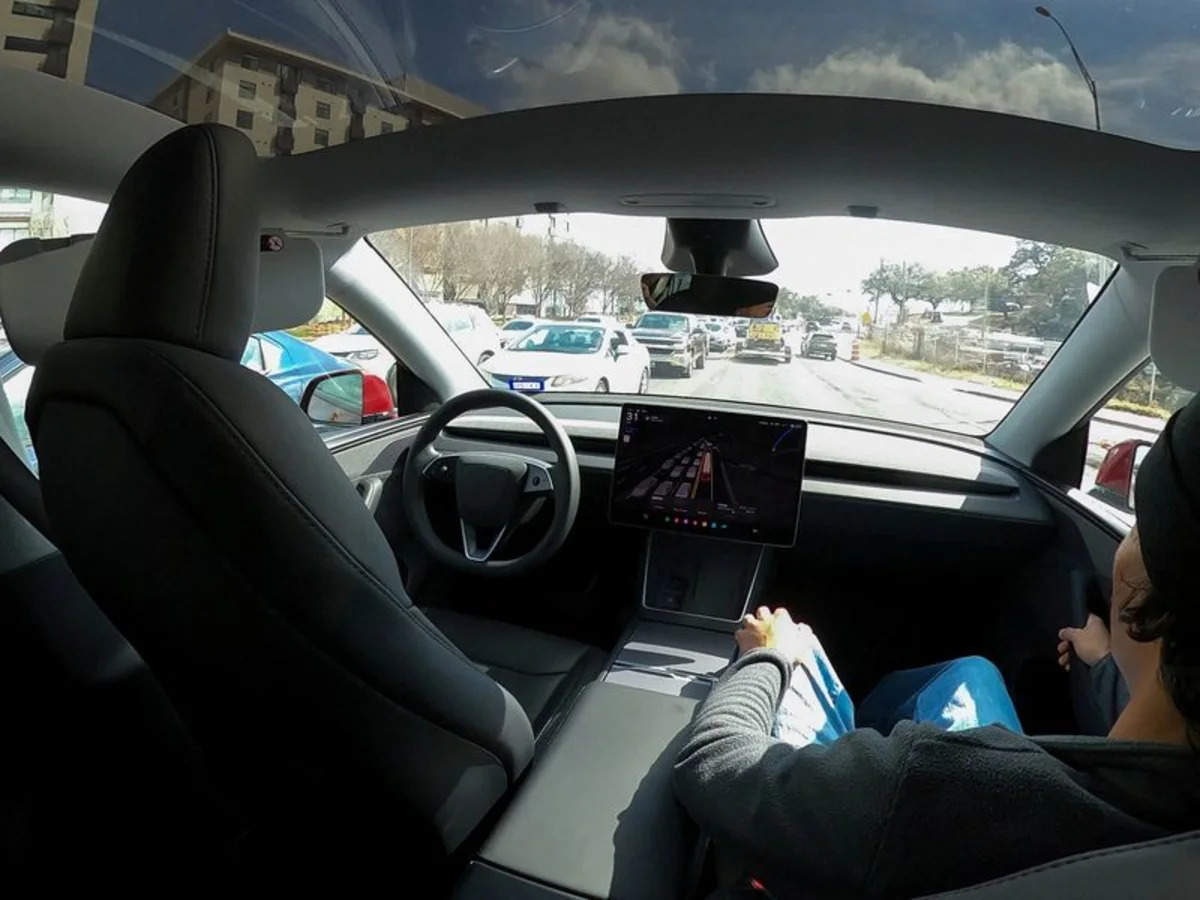
Tesla has launched its robotaxi service in Miami, bringing autonomous ride-hailing to its first city outside Texas. Drive Tesla Canada confirmed the rollout, saying Miami is now Tesla's fourth U.S. city to offer the service. The launch covers a geofenced zone of roughly 10 to 14 square miles, focused on western and central Miami, with routes connecting Miami International Airport via SR 826 and US 41.
The move puts Tesla directly in competition with Waymo and Amazon's Zoox, both of which are rapidly expanding their own driverless programs. Invezz noted that rivals have moved faster through regulatory approvals, adding pressure on Tesla to scale quickly. Elon Musk has suggested fully unsupervised rides could become more widely available later this year.
Miami Geofence Is Narrow but Strategically Placed
Tesla's Miami coverage zone is tightly drawn. The geofence spans western and central Miami, with a key focus on the airport corridor. Routes run along SR 826 and US 41, connecting Miami International Airport to surrounding areas. Florida law already allows fully driverless cars to operate if they meet federal safety standards, giving Tesla a clear legal path to run without human monitors inside the vehicle.
Local emergency crews prepared ahead of the launch. Coral Gables firefighters completed emergency-response training with Tesla just days before service began. That kind of coordination signals Tesla is taking a careful, step-by-step approach rather than flooding streets with vehicles all at once.
Austin's Fleet Stays Small, Wait Times Stretch Long
Tesla's Austin robotaxi program offers a preview of what Miami can expect. The Austin fleet has roughly 50 vehicles total. Of those, the fully unsupervised portion is far smaller — around 14 active cars. Wait times in Austin frequently exceed 15 minutes. Coverage is limited to specific zones, and the program has scaled slowly since its launch earlier this year.
Those numbers show the gap between Tesla's ambitions and its current reality. Rivals like Waymo already operate hundreds of vehicles across multiple cities. Tesla's fleet, measured in dozens, will need to grow significantly before it can match that scale. Analysts say scalability remains the biggest challenge facing the program.
Waymo and Zoox Are Closing In Fast
Tesla's Miami launch arrives as competition heats up. Waymo, backed by Google's parent Alphabet, and Zoox, owned by Amazon, are both pushing aggressively into autonomous ride-hailing. TipRanks described the Miami rollout as Tesla's direct bid to battle Waymo in Florida. Both rivals have secured faster regulatory approvals in key markets and operate larger active fleets.
933 The Drive reported that the Miami launch is part of Tesla's broader strategy to grow its autonomous operations nationwide. But industry observers note that Tesla's current rollout is narrower than what rivals have achieved. The competitive gap is real, and Miami is only one step toward closing it.
Strong Q2 Deliveries Give Tesla Room to Invest
Tesla's robotaxi push comes at a moment of financial confidence. The company reported strong second-quarter delivery numbers, which lifted investor sentiment heading into the expansion. That performance gives Tesla the resources to fund its autonomous driving program, even as the fleet remains small and scaling costs climb.
Musk has framed the robotaxi business as a core part of Tesla's future, alongside its electric vehicles and AI work. The Miami launch reinforces that vision. But with Austin still running fewer than 20 unsupervised cars, the road from pilot program to nationwide fleet remains long. How fast Tesla can grow its active vehicles will define whether the vision becomes reality.
Sentiment
Mostly PositiveNEGATIVENEUTRALPOSITIVE
Publishers
18
Articles
70
Reach
88
A
AnonymousAuthor


