Auto Segment Comparisons
Latest Auto Comparisons Range From Luxury Electric SUVs to Efficient Family Cars
Anonymous
Key Points
1
The 2026 Lexus LS 500 AWD Heritage Edition starts at $126,800, while the 2026 Toyota Mirai XLE starts at $54,330; both are five-seat sedans, and the Lexus comparison covers a single trim.
2
The 2027 BMW i5 40 starts at $83,900 across two trims, compared with a $73,900 starting price for the 2027 BMW 5 Series; the gasoline 530i receives a 3.50 efficiency rating, while the i5 receives a top efficiency score of 5 despite lacking enough data for an overall rating.
3
The 2026 Mazda CX-5 is rated at 9.0 L/100 km combined, with 187 horsepower and 186 lb-ft of torque. The Subaru Forester offers between 180 and 194 horsepower and has combined efficiency figures ranging from 6.9 L/100 km in its hybrid versions.
4
In the Malaysia comparison, the Peugeot 408 reaches 100 km/h in 8.8 seconds versus 9.0 seconds for the Accord, while producing 215 horsepower and 300 Nm compared with the Honda’s 198 horsepower and 260 Nm.
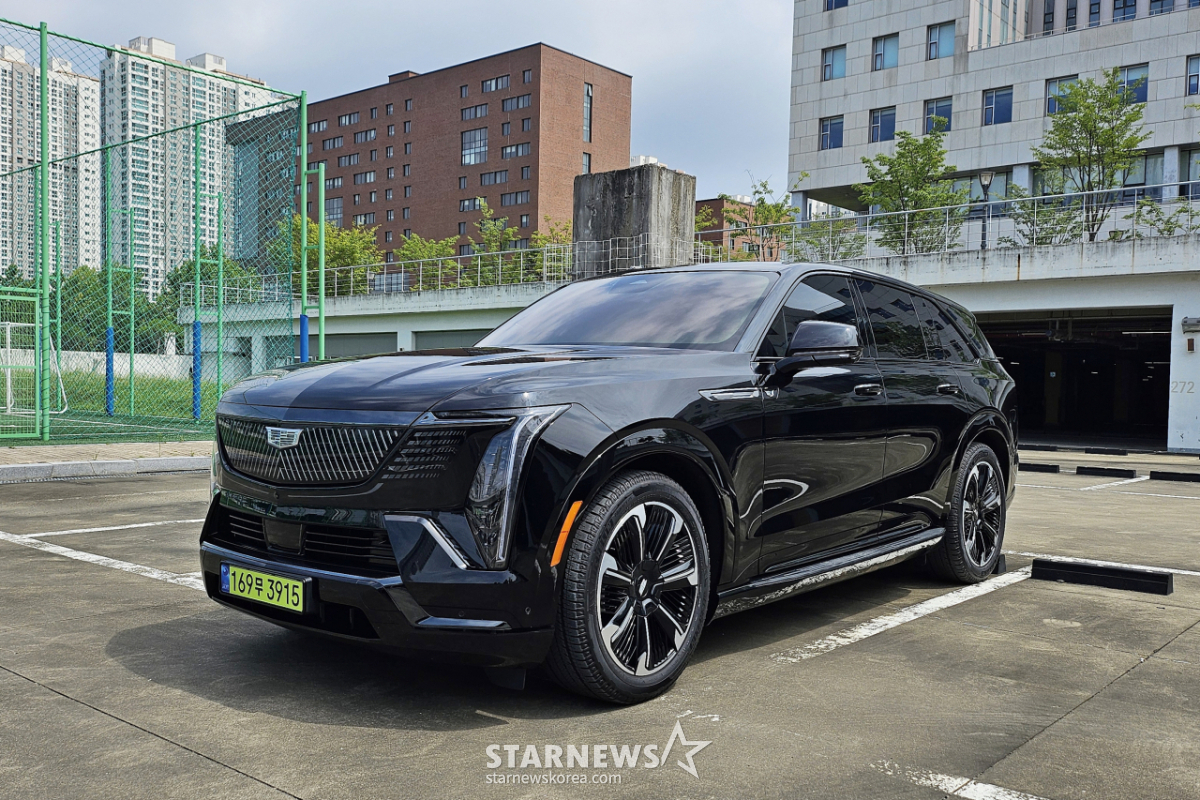
Automakers are putting new electric and hybrid models head-to-head with traditional gas engines across luxury sedans, compact SUVs, and regional markets. The Cadillac Escalade IQ offers 739 kilometers of range on a 250-kWh battery with Super Cruise assistance, but its 4,210-kilogram weight raises long-term ownership costs. Meanwhile, comparisons between the Lexus LS 500 ($126,800) and Toyota Mirai ($54,330) show premium buyers choosing different powertrains, while BMW puts its electric i5 40 directly against the gas-powered 530i to highlight efficiency gains.
In compact SUVs, the Mazda CX-5 and Subaru Forester deliver similar overall quality but split on priorities: Mazda leads in efficiency and cargo space, while Subaru emphasizes safety and hybrid options. Peugeot and Honda compete in Malaysia with stark differences in size, price, and performance, positioning the value-focused 408 against Honda's spacious Accord.
Cadillac's Giant Electric SUV Brings Luxury at a Weight Cost
The 2025 Cadillac Escalade IQ is a full-size electric SUV that combines a 250-kWh battery with an estimated 739-kilometer range, Super Cruise driver-assistance technology, and a heavily equipped interior. The vehicle targets luxury buyers seeking high-end features and long driving distances without refueling. However, its 4,210-kilogram curb weight and large 24-inch wheels will significantly increase tire wear and suspension maintenance costs over time, raising the true cost of ownership beyond the initial purchase price.
Lexus Flagship Outscores Toyota's Hydrogen Sedan in Data Ratings
The 2026 Lexus LS 500 AWD Heritage Edition starts at $126,800 and earns a higher overall data-driven rating than the 2026 Toyota Mirai XLE, which begins at $54,330—a $72,470 price gap for two very different powertrains. The Lexus is a traditional gasoline sedan with five seats and a single trim option, whereas the Mirai is a hydrogen fuel-cell vehicle offering superior operational efficiency. Driving.ca ratings favor the Lexus overall, but buyers choosing the Mirai prioritize zero-emission driving and lower running costs over outright prestige.
BMW's Electric i5 Dominates Efficiency Against Gas Sedan
The 2027 BMW i5 40 electric sedan starts at $83,900 and earns a perfect 5.0 efficiency score, compared to the gas-powered 2027 BMW 530i starting at $73,900 with a 3.50 efficiency rating. The i5 40 offers two trim levels but lacks sufficient long-term data for a full overall quality score. BMW is betting that buyers will accept the higher price and limited data in exchange for best-in-class efficiency and zero tailpipe emissions. The gas 530i remains competitive for traditionalists but trails significantly on fuel economy and environmental impact.
Mazda and Subaru Split Compact SUV Strengths by Efficiency and Safety
The 2026 Mazda CX-5 and 2026 Subaru Forester earn similar overall ratings but emphasize different qualities. The Mazda CX-5 consumes 9.0 liters per 100 kilometers combined, producing 187 horsepower and 186 lb-ft of torque, and scores higher for cargo space and fuel economy. The Subaru Forester ranges from 180 to 194 horsepower and achieves 6.9 liters per 100 kilometers in hybrid variants, giving it a significant efficiency edge. Subaru wins on safety features and offers a broader lineup including hybrid power, while Mazda appeals to buyers prioritizing interior volume and baseline fuel efficiency.
Malaysia: Peugeot's Value Sedan Outperforms Honda's Spacious Accord
In Malaysia, the Peugeot 408 costs substantially less than the Honda Accord but delivers stronger performance and advanced safety features with a longer warranty. The Peugeot 408 produces 215 horsepower and 300 newton-meters of torque, accelerating from 0 to 100 km/h in 8.8 seconds, versus the Accord's 198 horsepower, 260 newton-meters, and 9.0-second sprint. The Honda Accord justifies its premium price with a larger body, longer wheelbase, bigger trunk, and additional cabin conveniences for buyers who prioritize comfort and space over performance. Peugeot captures efficiency-minded and safety-conscious buyers seeking better value, while Honda retains legacy buyers in the executive sedan segment.
Sentiment
Mostly PositiveNEGATIVENEUTRALPOSITIVE
Publishers
34
Articles
32
Reach
66
Topics
A
AnonymousAuthor


