Thermostat Settings and Comfort
See where Americans prefer to set their AC and what experts recommend.
Anonymous
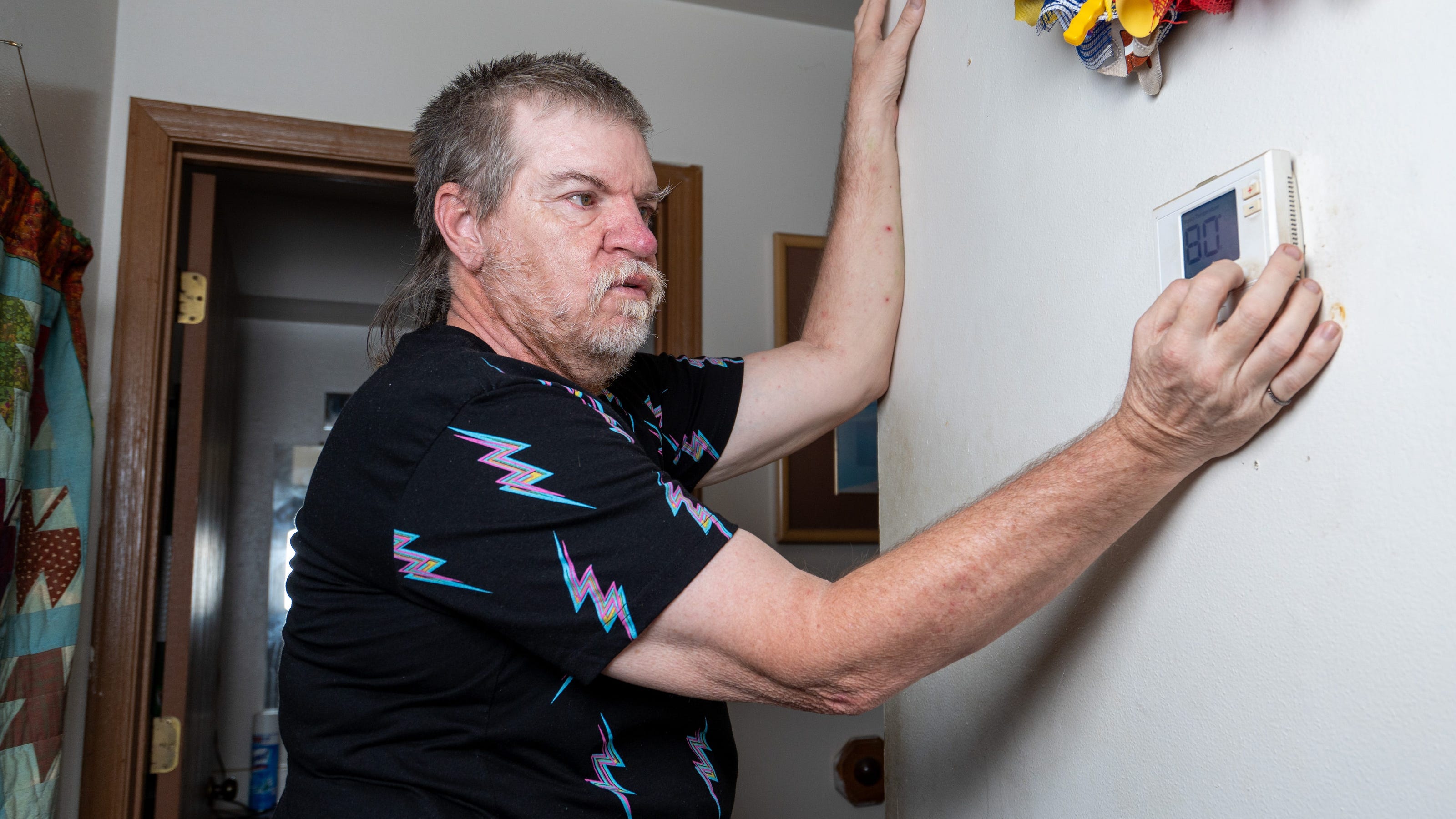
Americans prefer to keep their air conditioning set around 71 degrees Fahrenheit during the day, according to Consumer Reports. But federal energy experts say you should set your thermostat higher—up to 78°F—to save money and protect the power grid during summer heat waves.
The gap between what people want and what experts recommend reveals a tough choice: comfort versus savings. Trane notes that each degree above 72°F can save up to 3% on cooling costs. But sleep scientists warn that sleeping in an 82°F room hurts sleep quality and makes homes feel stuffy in humid climates.
Where Americans Actually Set Their Thermostats
Most Americans want it cool. Consumer Reports found that 42% prefer summer temperatures between 73°F and 76°F. Another 33% want it even cooler—between 69°F and 72°F. Only 18% are okay with 77°F or higher, and just 8% go below 68°F.
Southerners tend to set their AC slightly higher than the national average of 71°F. But most households still keep homes around 70°F to 71°F when people are home and bump it up to 74°F when away.
What Experts Say You Should Do
The U.S. Department of Energy recommends 78°F during the day for maximum savings. At night, it suggests 82°F. When nobody's home, aim for 85°F. These numbers come from ENERGY STAR guidelines focused on cutting energy use and protecting the power grid during peak demand.
Trane offers a middle ground. The company says 78°F gives maximum savings, but homes must stay comfortable and dry. The EPA backs the math: every degree higher can trim up to 6% off cooling bills. Isaac Heating & Air Conditioning adds a safety rule: never set your AC more than 20°F below the outdoor temperature, or you'll strain the system.
Why People Ignore the 78-Degree Recommendation
Sleep experts say 82°F at night is unrealistic. That temperature disrupts REM sleep and leaves rooms feeling damp and stuffy in humid areas. HVAC technicians explain that when you set thermostats too high, the system doesn't run long enough to pull moisture from the air—a critical job in hot, sticky climates.
Many Americans view air conditioning as essential, not optional. Over 85% of U.S. homes have AC, compared to fewer than 5% in European countries like France and Germany. For most people, the comfort gain outweighs the energy savings and grid concerns that drive federal recommendations.
The Real Cost of Keeping Cool
Rising temperatures mean rising electric bills. Low-income families and elderly people in the South face the toughest choice: turn up the thermostat to save money or stay cool and go broke. Climate change is making heatwaves longer and hotter, which pushes more people toward lower settings.
Wide use of low thermostat settings during peak summer heat strains power grids and raises the risk of blackouts. That's why utilities and government agencies push harder thermostats. But for millions of Americans, the federal recommendation remains unrealistic—and unwanted.
Sentiment
NeutralNEGATIVENEUTRALPOSITIVE
Publishers
50
Articles
49
Reach
50
A
AnonymousAuthor


