Sony Relaunches Classic Headphones
Sony Revives Popular WH-1000XM4 Headphones With Bluetooth 6.0 and New Features
Anonymous
Key Points
1
Sony says the original WH-1000XM4 has sold more than 10 million units worldwide; the relaunch coincides with the 10th anniversary of the WH-1000X series and Sony’s celebration of 80 years in audio.
2
The XM4C’s revised sound profile was developed with input from Grammy-nominated mastering engineers, and its Bluetooth 6.0 implementation supports SBC, AAC and LDAC codecs.
3
Sony has retained the XM4’s highly compact folding hinge design—an approach it abandoned with the XM5 and later returned to in a less compact form with the XM6—making portability a central part of the XM4C’s appeal.
4
The XM4C keeps the original’s five-microphone-era noise-cancellation architecture at a lower microphone count than newer models: it uses four microphones, compared with eight on the XM5 and 12 on the XM6.
5
Sony is positioning the refresh partly around younger consumers and TikTok-driven unboxing interest, saying the original XM4 earned the highest customer ratings in its personal portable-audio lineup because of its comfortable, foldable design.
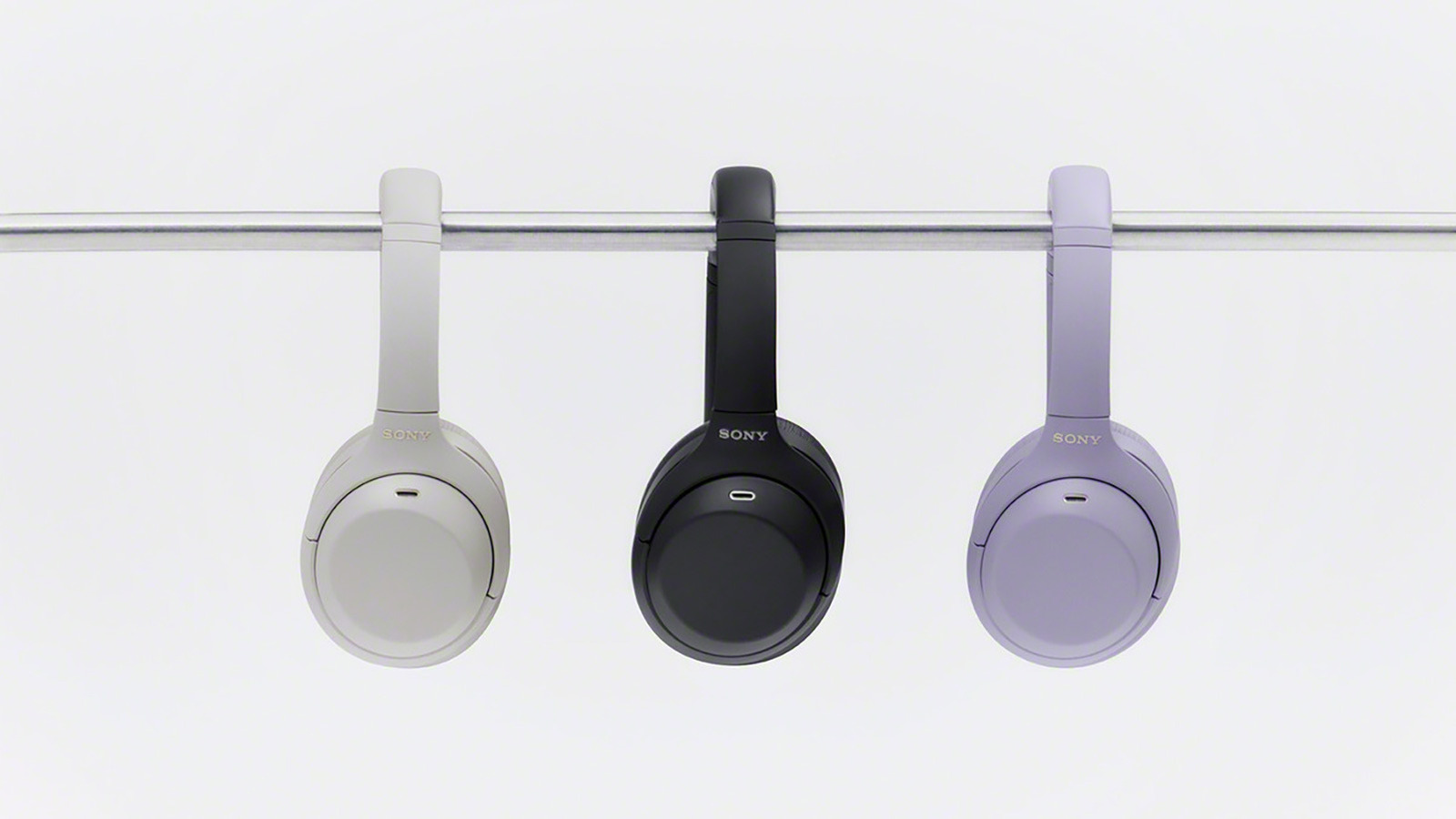
Sony is reviving its best-selling WH-1000XM4 headphones as the WH-1000XM4C, the company announced 9to5Google. The refreshed model keeps the compact foldable design and four-microphone noise cancellation that made the original a global hit—over 10 million units sold—while adding Bluetooth 6.0, a 10-band equalizer, and updated sound tuning developed with Grammy-nominated engineers. Priced at $299, the XM4C undercuts the current flagship WH-1000XM6 at $460 and targets buyers who loved the original's comfort and portability.
Sony is also launching two budget headphones: the WH-CH730N at $180, a redesigned successor with better noise reduction and call quality, and the WH-CH530 at $80, offering longer battery life and a volume limiter TechPowerUp. The trio marks Sony's push to celebrate its 80 years in audio and the 10th anniversary of the WH-1000X series.
Why Sony Brought Back a 2020 Flagship
The original WH-1000XM4 became Sony's highest-rated personal portable-audio product due to its comfortable fit and foldable design ArchyNetys. Instead of killing the model, Sony is monetizing proven demand while lowering development risk. A relaunch costs less than designing an entirely new midrange headphone and appeals to younger consumers driven by TikTok unboxing videos.
The XM4C keeps what customers loved—the compact folding hinge that Sony dropped with the XM5 then redesigned with the XM6. This design remains a key selling point for people who want lightweight, pocketable headphones without sacrificing noise cancellation or sound quality.
Upgrades Balance Battery Life and Repairability
The XM4C delivers up to 27 hours of battery life with noise cancellation on—down from the original's 30 hours. A three-minute charge gives about one hour of playback UltimatePocket. Sony reports user-replaceable batteries as part of the update, a change likely driven by European Union sustainability rules requiring easier repair.
This trade-off reveals how EU regulations shape global product design, not just regional compliance. Compact electronics and swappable batteries often compete; Sony chose repairability while accepting modest battery-capacity losses to maintain the headphones' portable form factor.
Sound and Connectivity Get Modern Updates
Bluetooth 6.0 support and a new 10-band equalizer with gaming modes bring the XM4C closer to current flagships Zamin. The revised sound profile was tuned by Grammy-nominated mastering engineers and supports SBC, AAC and LDAC codecs for high-quality wireless audio streaming.
The noise cancellation system still relies on four microphones—fewer than the XM5's eight or the XM6's twelve—making it less advanced than newer models. But for most users, the QN1 active noise cancellation chipset combined with the redesigned tuning should deliver competitive performance at $299.
Sony's Three-Tier Strategy Reaches More Buyers
The XM4C sits in Sony's midrange tier at $299, positioned between budget CH models ($80–$180) and premium flagships ($450+). This layered approach lets Sony capture buyers at every price point without forcing everyone to fund cutting-edge features they may not need.
The WH-CH730N ($180) and WH-CH530 ($80) continue this strategy, offering improved noise reduction and longer battery life respectively. By refreshing its entire lineup simultaneously, Sony signals that proven designs—not always the newest innovation—can still win market share and customer loyalty.
Sentiment
Mostly PositiveNEGATIVENEUTRALPOSITIVE
Publishers
30
Articles
22
Reach
52
A
AnonymousAuthor


