China Gains Global Favor
Pew Poll Shows China Now More Favored Than U.S. in Majority of Nations Globally
Anonymous
Key Points
1
Canadian Pew poll results show 40% of Canadians view China favorably and 33% view the United States favorably, with 35% saying they would trust Chinese President Xi Jinping to do the right thing vs 20% who would trust current president Donald Trump.
2
Canada’s attitude shift is stark: positive views of China rose to 44% from 14% in 2023, while favorable views of the United States fell to 33% from 57%.
3
Across 20 countries with comparable data since 2023, roughly half view China positively while about 36% view the United States positively, reflecting a narrowing personal-freedom advantage for the U.S. and a stronger overall image for China.
4
Laura Silver of Pew notes the shift is driven in part by perceptions that the U.S. is not contributing to peace and stability amid conflicts like Gaza, contributing to China’s rising relative image.
5
Market expectations show a high probability of a Xi Jinping visit to the United States before the end of 2026 (about 90.5%), following a May 2026 meeting with current president Donald Trump; odds have fluctuated in response to events such as the detention of a U.S. nuclear expert in China.
For the first time in roughly 20 years, China is viewed more favorably than the United States in a majority of countries surveyed, according to Pew Research Center polling. In 25 of 36 nations polled, people hold a more positive view of China than the U.S. — a historic shift driven largely by falling confidence in American leadership under President Donald Trump.
The numbers are striking. Across 20 countries with comparable data since 2023, about half view China positively. Only 36% view the United States positively, according to Pew Research Center. Chinese President Xi Jinping is trusted more than Trump in 22 countries, including major European powers.
Canada's Dramatic Reversal on China and the U.S.
The shift is sharpest in Canada, a longtime U.S. ally. Just two years ago, 57% of Canadians viewed the United States favorably. Today that number has crashed to 33%, according to Brandon Sun. Meanwhile, favorable views of China jumped from 14% in 2023 to 44% now — a 30-point swing in just two years.
The trust gap is just as wide on leadership. A new Pew poll found that 35% of Canadians would trust Xi Jinping to do the right thing on world affairs. Only 20% said the same about Trump, according to Winnipeg Free Press. The survey polled 1,020 Canadians between mid-February and mid-April.
Gaza, Trade Wars, and the Erosion of U.S. Credibility
What is driving the shift? Pew researcher Laura Silver points to a specific factor: people around the world see the U.S. as failing to promote peace. The Gaza conflict has hurt America's image badly, especially in Europe and the Middle East. Silver said perceptions that the U.S. "is not contributing to peace and stability" are pushing people toward a more positive view of China, according to Los Angeles Times.
Trump's trade battles and his treatment of allies have also taken a toll. The U.S. has historically led China on perceptions of personal freedom. That gap is now narrowing. As America's image falls, China benefits — not because global confidence in Beijing is high, but because trust in Washington has dropped faster, according to Head Topics.
China Surpasses U.S. Globally for First Time in Two Decades
The Pew survey polled more than 42,000 people across 35 countries. It is one of the broadest global opinion snapshots in years. China now leads the U.S. in favorability in 25 of those nations. That has not happened in about 20 years, according to Whales Book.
Still, the picture is not a clean win for China. Global confidence in both Xi and Trump remains low in absolute terms. The story is less about China surging and more about the U.S. falling. Regional responses vary. Some nations, particularly in Asia and Africa, have long viewed China favorably. The new story is that longtime U.S. allies in Europe and North America are now joining them.
Xi Visit to the U.S. Could Signal a New Chapter
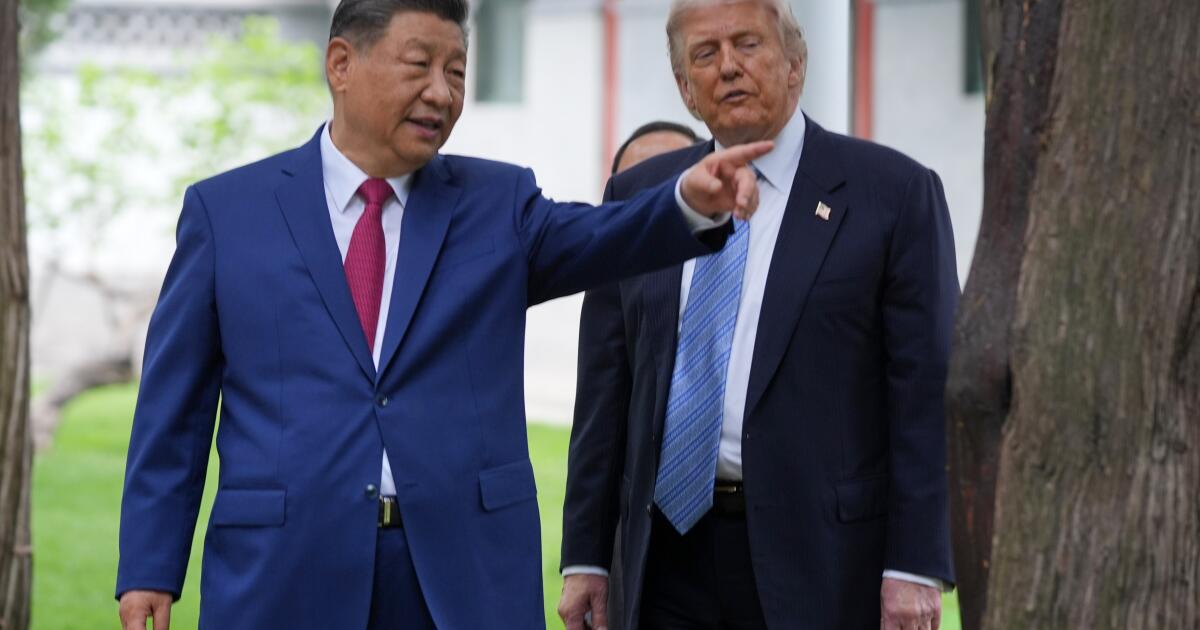
Despite the polling, diplomatic contact between Washington and Beijing continues. A Trump-Xi meeting took place in May 2026. Now, prediction markets put the odds of Xi visiting the United States before the end of 2026 at about 90.5%, according to Whales Book. That would be a significant moment given the current tensions.
Those odds have shifted in response to real-world events. The recent detention of a U.S. nuclear expert in China pushed the probability lower before recovering. Whether a visit happens or not, the broader trend is clear: the global image contest between the U.S. and China has swung sharply — and Washington is now playing catch-up.
Sentiment
Mostly NegativeNEGATIVENEUTRALPOSITIVE
Publishers
17
Articles
212
Reach
229
Topics
A
AnonymousAuthor


