Musk Election Scandal
Wisconsin Commission Refers Complaints Against Elon Musk for Alleged Election Bribery.
Anonymous
Key Points
1
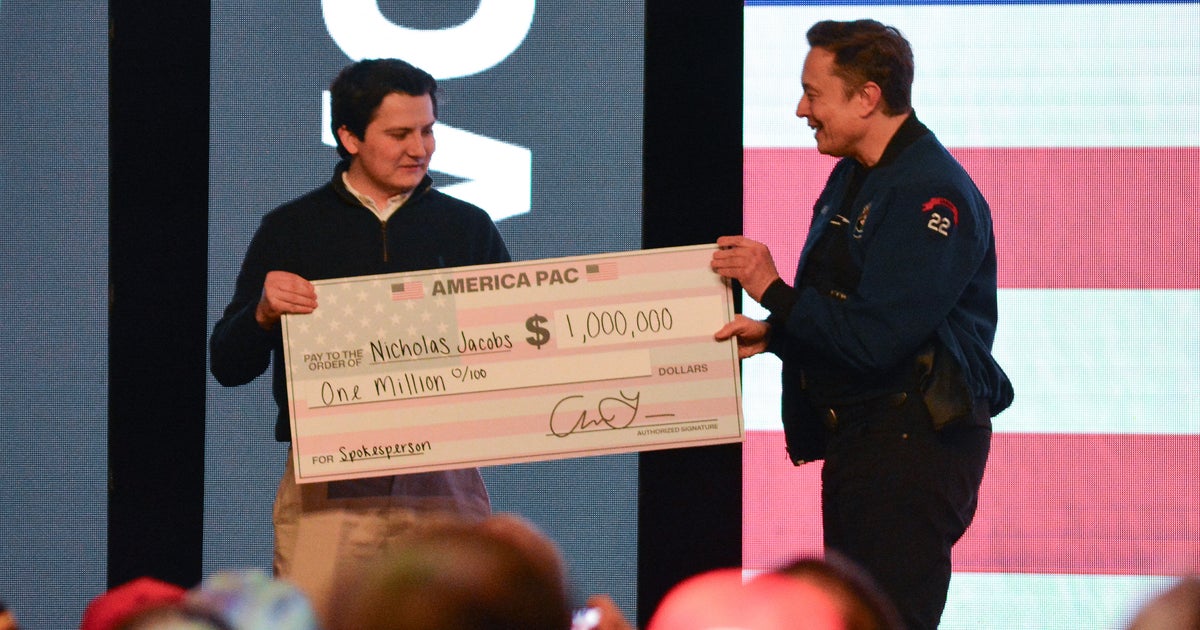
Three voters received $1 million checks as part of Musk’s outreach, with two of the checks handed out in person at a Green Bay rally and one presentation occurring just two days before the election.
2
A bid by Wisconsin Attorney General Josh Kaul to block Musk from distributing the $1 million checks was rejected in court, and the Wisconsin Supreme Court allowed the check event to proceed.
3
The Wisconsin Democracy Campaign filed a lawsuit aiming to bar cash payments in state elections in response to Musk’s spending in the race.
4
Total spending on the Wisconsin Supreme Court race exceeded $100 million, with Musk and allied groups backing Brad Schimel to the tune of roughly $21 million.
Wisconsin's Elections Commission found probable cause that Elon Musk violated state election bribery law, referring two complaints to a county prosecutor who now has 40 days to decide whether to bring criminal charges, according to CBS News. The ruling centers on Musk's $1 million checks and $100 payments to petition signers during the 2025 Wisconsin Supreme Court race.
Musk and allied groups spent about $21 million backing conservative judge Brad Schimel, who lost to Susan Crawford in the most expensive judicial race in U.S. history — topping $100 million in total spending, HuffPost reported.
Commission Votes to Refer Musk Case to Prosecutor
The Wisconsin Elections Commission voted 5-1 to find probable cause, according to Tipp Insights. The panel referred two complaints to Brown County District Attorney David Lasee. He now has 40 days to report back on whether to prosecute. Lasee can choose to file charges, decline, or ask for more time.
The complaints allege Musk broke Wisconsin's election bribery law. Prosecutors will look at three things: his social media post promising money, the $1 million checks handed to voters, and $100 payments given to people who signed a petition. All three were tied to influencing voters in the Supreme Court race, CBS News reported.
$1 Million Checks Handed Out Days Before the Vote
Three voters received $1 million checks as part of Musk's voter outreach effort. Two of the checks were handed out in person at a Green Bay rally. One presentation happened just two days before the election, according to International Business Times.
Wisconsin Attorney General Josh Kaul tried to block Musk from giving out the checks. A court rejected that effort. The Wisconsin Supreme Court also allowed the check event to go forward. The events proceeded as planned despite the legal challenges, AJC reported.
Schimel Lost Despite Record Outside Spending
Brad Schimel, the conservative candidate Musk backed, lost the race to Susan Crawford. Musk's $21 million in support was a massive sum for a state judicial contest. But it was not enough. Crawford won the seat despite being outspent on Musk's side, HuffPost reported.
The race shattered records. Total spending topped $100 million, making it the most expensive judicial contest in U.S. history. The scale of outside money drew fierce criticism and sparked new calls to ban cash payments in state elections, according to CBS News.
Lawsuits and Scrutiny Follow Musk's Wisconsin Role
The Wisconsin Democracy Campaign filed a lawsuit seeking to ban cash payments in state elections. The group targeted Musk's spending as a key example of why such a ban is needed. The lawsuit is ongoing, AJC reported.
The criminal referral adds to a growing pile of legal trouble tied to Musk's role in Wisconsin politics. Investigators and advocacy groups are still probing how outside money flowed into the race. The Brown County DA's decision in the next 40 days could mark a major turning point, according to International Business Times.
Sentiment
Mostly NegativeNEGATIVENEUTRALPOSITIVE
Publishers
14
Articles
80
Reach
94
Topics
A
AnonymousAuthor


