Mahdawi Appeal
2nd Circuit Overturns Mahdawi's Release, Limiting Free Speech Claims for Non-Citizen Detainees
Anonymous
Key Points
1
Board of Immigration Appeals reinstated deportation proceedings against Mahdawi in May, overturning an immigration judge's February ruling; the judge who made that ruling, Nina Froes, was later fired by the Trump administration.
2
Mahdawi was held in a Vermont detention facility for more than two weeks before U.S. District Judge Geoffrey Crawford ordered his release on bail.
3
The 2nd U.S. Circuit Court of Appeals said Crawford lacked jurisdiction because the case should have been resolved in immigration court first, highlighting that immigration courts are part of the Justice Department and operate separately from the federal judiciary.
4
Mahdawi characterized the political aspect of the case, telling reporters that the government is weaponizing the immigration system to silence his advocacy for Palestinian rights.
5
The ruling comes in the context of broader legal battles over immigration enforcement and free-speech rights for non-citizen protesters, including related developments in the Mahmoud Khalil case earlier this year.
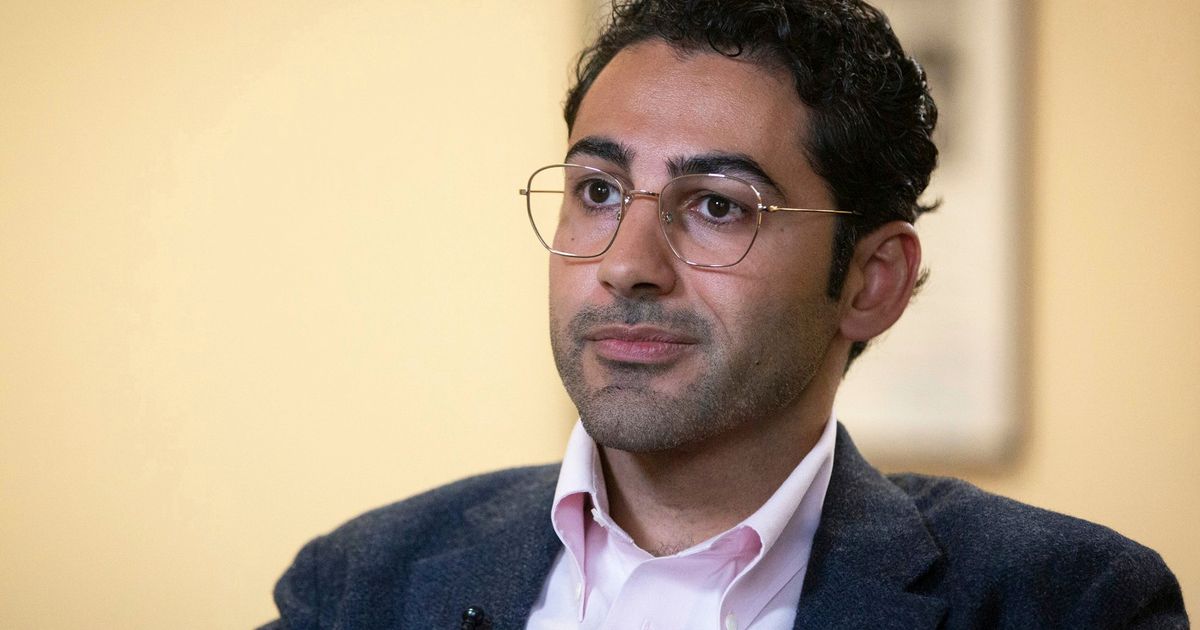
A federal appeals court has overturned the release of Mohsen Mahdawi, a Columbia University student and green card holder detained by immigration authorities in April 2025. The 2nd U.S. Circuit Court of Appeals ruled that the lower court had no authority to order his release, according to Times Union.
Mahdawi was arrested during a citizenship interview in Vermont and held for more than two weeks before U.S. District Judge Geoffrey Crawford ordered him freed on bail. The appeals court said Crawford lacked jurisdiction — meaning the case was not his to decide — and that immigration courts must handle it first, Courthouse News reported.
How Mahdawi Was Detained and Briefly Freed
Mahdawi is a lawful permanent resident born in the West Bank. He was attending a routine U.S. citizenship interview in April 2025 when immigration agents detained him. He has not been charged with any crime. The Trump administration has been seeking to deport him for over a year, according to WRAL.
Judge Crawford ordered Mahdawi's release, finding he had First Amendment free-speech rights that the government may have violated. Mahdawi spent more than two weeks in a Vermont detention facility before getting out. The appeals court's new ruling opens the door to his re-arrest, though the panel did not order him taken back into custody, Times Union noted.
Appeals Court Says Immigration Courts Must Decide First
The 2nd Circuit's core argument was about jurisdiction — who has the legal power to hear a case. Immigration courts are run by the Justice Department. They are separate from the regular federal court system. The appeals panel said questions about deportation, and any First Amendment challenges tied to it, must go through immigration courts first before a federal judge can step in.
That ruling is significant. It means detainees who believe the government is punishing them for protected speech cannot quickly ask a federal judge for release. They must work through the immigration court system first — a slower process, according to Courthouse News.
Deportation Case Overturned, Judge Who Ruled for Him Fired
The legal road has been turbulent. In February 2025, an immigration judge named Nina Froes ruled in Mahdawi's favor. The Board of Immigration Appeals reversed that decision in May, reinstating deportation proceedings against him. Froes was later fired by the Trump administration, according to WCAX.
Mahdawi has been outspoken about what he calls government overreach. He told reporters the government is "weaponizing the immigration system" to silence his advocacy for Palestinian rights. His case runs parallel to that of Mahmoud Khalil, another pro-Palestinian activist facing deportation in a closely watched legal battle.
Ruling Could Limit Free-Speech Challenges for Detained Immigrants
Legal experts say this ruling could make it harder for non-citizens held in immigration jails to fight their detention on First Amendment grounds. By requiring cases to go through immigration court first, federal judges lose the ability to step in quickly. That delay can mean weeks or months more in detention, Jerusalem Post reported.
The Mahdawi case is part of a broader push by the Trump administration to use immigration enforcement against non-citizens involved in pro-Palestinian protests. The outcome of his deportation case — still moving through immigration courts — could set a precedent for similar cases across the country.
Sentiment
Mostly NegativeNEGATIVENEUTRALPOSITIVE
Publishers
25
Articles
203
Reach
228
A
AnonymousAuthor


