Lebanon Civilian Deaths Amid Strikes
Deadly Israeli Strikes Kill 11 Civilians in Lebanon; Hezbollah Vows Response Amidst Negotiation Tensions
Key Points
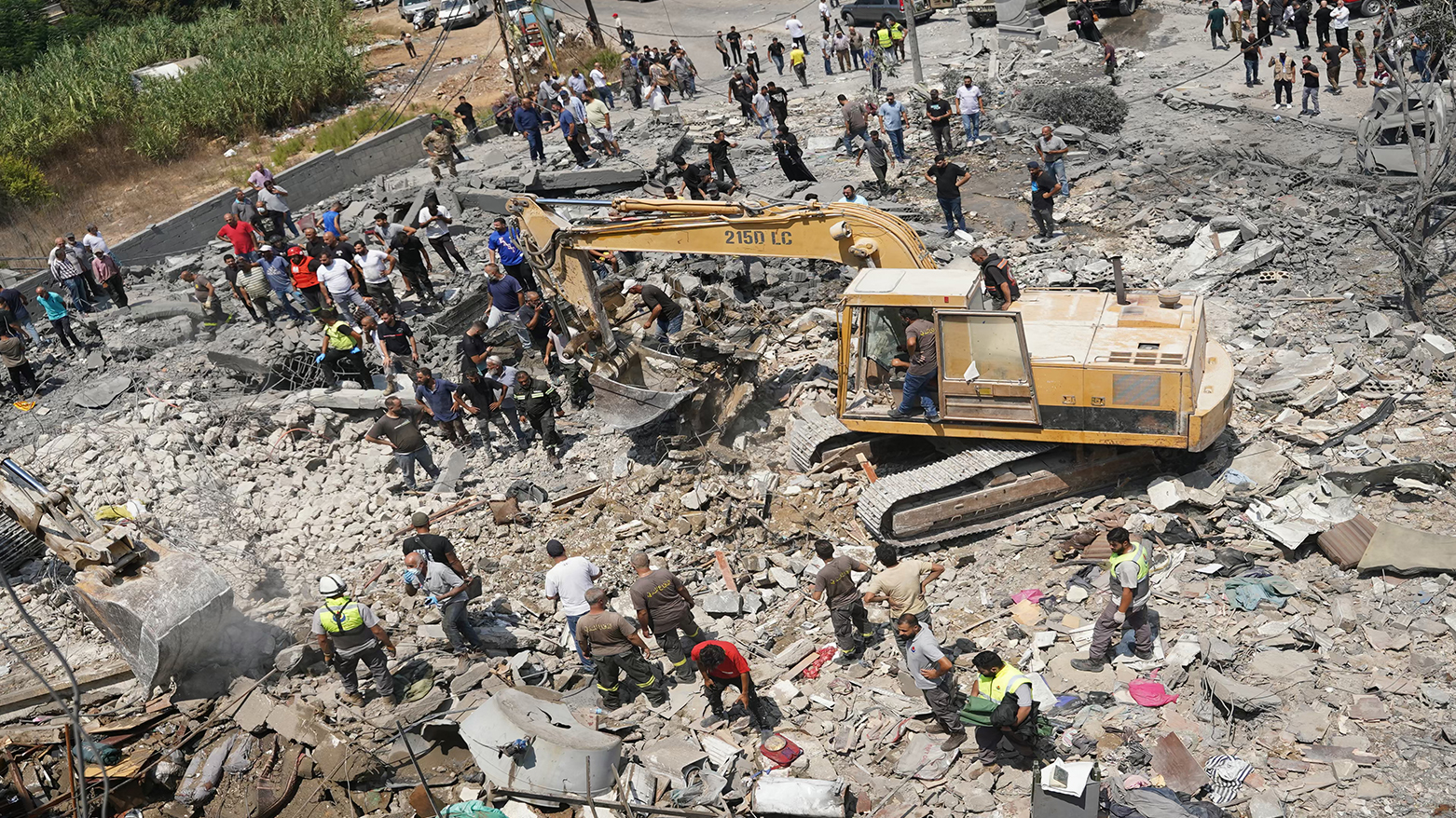
Ansar casualties: Seven people were killed in the Ansar strike, including three children and two women, according to Lebanon's Health Ministry.
Deir Zahrani casualties: A separate Israeli strike in Deir Zahrani killed two people.
Casualty tallies varied between reports, with initial accounts citing nine dead and later updates citing 11 dead (including three children) in the strikes.
Israeli authorities framed the attacks as retaliation for Hezbollah actions, with reports that the Israeli army struck Hezbollah infrastructure in Nabatieh and Ansar in response.
Lebanese leadership condemned the strikes and linked them to ongoing negotiations, with President Joseph Aoun calling the attacks violations of the framework and describing them as a 'clear message' about the talks, and Prime Minister Nawaf Salam stressing that the victims were not military targets.
Israeli airstrikes on southern Lebanon killed at least 11 people on Saturday, marking the deadliest attacks since a ceasefire took effect on June 20, according to WNCT. The strikes hit the towns of Ansar and Deir Zahrani, killing three children and two women among the dead.
Hezbollah quickly warned that the attacks would be met with an "appropriate" response, according to Times of Israel. The group also urged Lebanese authorities to stop what it called "humiliating" direct negotiations with Israel.
Strikes Kill Civilians Including Children in South Lebanon
Seven people died in Ansar alone. Lebanon's Health Ministry confirmed the dead included three children and two women. A separate strike in Deir Zahrani killed two more people, according to Kurdistan 24. Early reports put the total at nine dead. Later updates raised the toll to 11.
Israel's military said the strikes were retaliation for Hezbollah actions. The Israeli army said it hit Hezbollah infrastructure in Nabatieh and Ansar. Israel also accused a Hezbollah commander of using his family as cover, according to The Chronicle.
Lebanese Leaders Condemn Strikes as Talks Hang in Balance
President Joseph Aoun called the attacks a violation of the framework guiding current negotiations. He said the strikes send a "clear message" about the talks, according to WNCT. Prime Minister Nawaf Salam backed that view. He stressed that the victims — women and children — were not military targets.
The condemnations come as both sides prepare for another round of US-sponsored talks in Rome. The negotiations follow a framework agreed on June 20. The strikes now put pressure on Lebanese officials over whether to continue those talks.
Hezbollah Pushes Lebanon to Reject 'Humiliating' Negotiations
Hezbollah did not just threaten Israel. It also turned pressure on Beirut. The group urged Lebanese authorities to halt direct negotiations with Israel, calling them humiliating, according to Times of Israel. Hezbollah pressed officials to reject concessions at the Rome talks.
That puts Lebanon's government in a tough spot. Leaders must weigh public anger over civilian deaths against US pressure to keep talks alive. Hezbollah's warning signals it wants to shape that decision from the outside, according to The Frontier Post.
Ceasefire Under Strain as Rome Talks Loom
Saturday's strikes were the deadliest since the June 20 ceasefire began, according to WNCT. That truce was meant to hold while diplomats worked toward a longer deal. The new bloodshed puts that process at serious risk.
Both Israel and Hezbollah are now signaling toughness ahead of Rome. Israel says it will strike Hezbollah targets when it sees a threat. Hezbollah says it will respond in kind. That leaves civilians in southern Lebanon caught in the middle.
Sentiment
Mostly NegativePublishers
22
Articles
59
Reach
81


