US Aid Worker Contracts Ebola
US Aid Worker Contracts Ebola in Congo as Record Outbreak Continues Uncontained
Anonymous
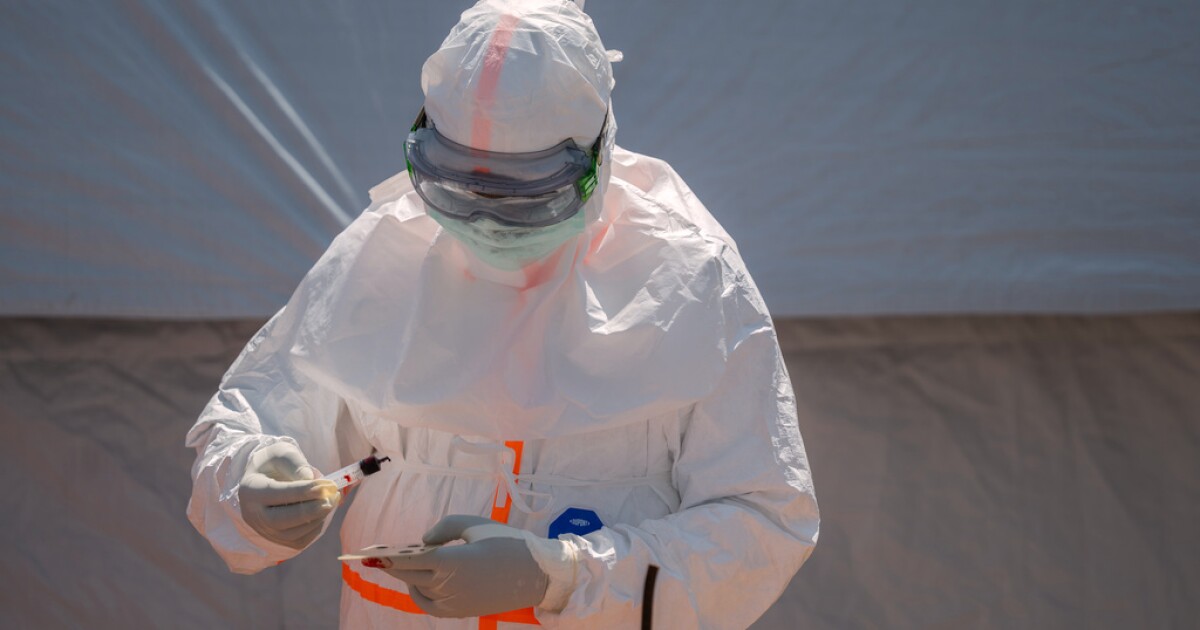
A U.S. aid worker in Congo has tested positive for Ebola, the Centers for Disease Control and Prevention confirmed. The infection comes during a record-breaking outbreak that has now reached 1,830 confirmed cases and 648 deaths, according to CDC.
The outbreak is caused by the Bundibugyo strain of Ebola — a rare form of the virus. Unlike more common strains, Bundibugyo has no approved vaccine or treatment, making it especially difficult to fight, KTVQ reported.
A Record Outbreak With No Vaccine to Stop It
Congo's current Ebola outbreak is the largest on record for the Bundibugyo strain. With 1,830 confirmed cases, it has overwhelmed local health systems. The death toll stands at 648, according to WTXL. The scale is alarming — previous Bundibugyo outbreaks were far smaller and more contained.
The lack of an approved vaccine makes this outbreak uniquely dangerous. Health workers have no proven tool to stop the spread before someone gets sick. Doctors also have no approved treatment once a patient is infected, according to WTVR.
CDC Steps In to Contain the US Worker's Infection
The CDC is now working with the infected worker's employer to trace anyone who may have been exposed. It is also coordinating with Congolese public health officials and local partners, 10News reported. The goal is to stop any further spread of the virus.
Officials have not released the worker's name, location within Congo, or the name of the humanitarian organization they work for. It is also unclear whether the worker will be evacuated to the United States for treatment, according to KGUN9.
Aid Workers Face Serious Risk in Active Outbreak Zones
Humanitarian workers are often among the most exposed during Ebola outbreaks. They work closely with sick patients in areas with weak health infrastructure. Congo has battled repeated Ebola outbreaks over the past decade, making it a high-risk environment for foreign aid workers, WCPO reported.
Ebola spreads through direct contact with the blood or body fluids of an infected person. It does not spread through the air. Early symptoms include fever, muscle pain, and vomiting — making it easy to confuse with other illnesses in the field, according to LEX18.
What Comes Next as Congo Fights to Slow the Spread
With no vaccine available, Congo's response relies on isolating sick patients and tracing their contacts. Health teams work to find everyone an infected person has been near. This method is slow and difficult in remote areas with poor roads and limited communication, TMJ4 reported.
The CDC has not said whether the risk to people in the United States is elevated. However, health officials are monitoring the situation closely. The U.S. infection is a sharp reminder that outbreaks in one country can quickly touch others, according to Fox13Now.
Sentiment
NeutralNEGATIVENEUTRALPOSITIVE
Publishers
20
Articles
20
Reach
20
Topics
A
AnonymousAuthor


