Manske's Resilient Return
Penn State QB Alex Manske Cleared for Full Play After Open-Heart Surgery Comeback
Key Points
The aortic issue was discovered through a Penn State-mandated echocardiogram for new athletes, with Manske reporting no symptoms prior to the diagnosis.
Manske described the surgery as taking out the affected section of the aorta and replacing it with a plastic graft.
Surgery occurred on March 16 at the Mayo Clinic; he began throwing in mid-June and was cleared for football in early July, returning as Penn State’s No. 2 quarterback behind Becht.
Head coach Matt Campbell called his return a 'monumental win' for the quarterback and the team, underscoring the significance of his comeback.
During recovery, Manske underwent cardiac rehabilitation in Iowa and stayed connected to Penn State through Zoom, continuing spring practice and team meetings while away from campus.
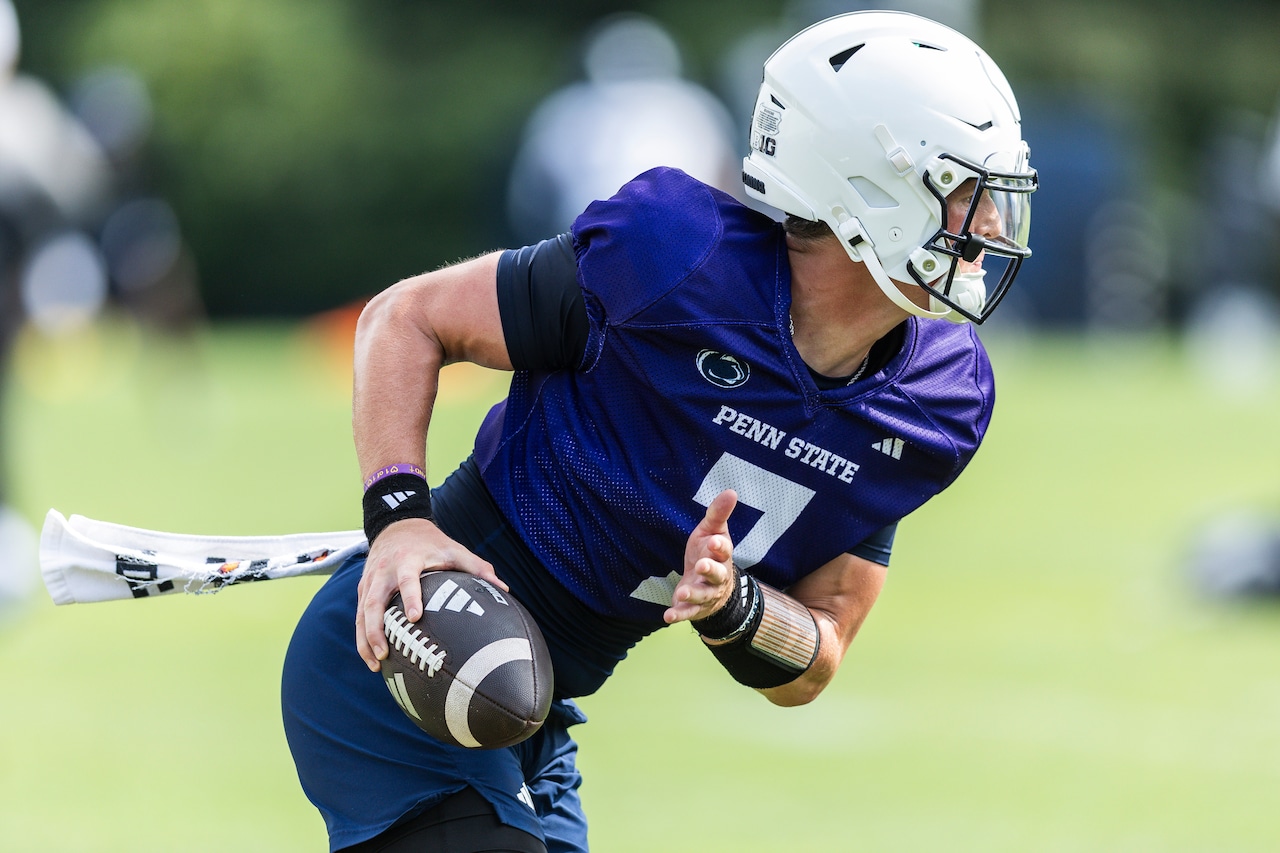
Penn State quarterback Alex Manske underwent open-heart surgery on March 16 at the Mayo Clinic — and was back on the practice field just four months later. Onward State reported that Manske was diagnosed with a dilated aortic root and dilated ascending aorta, two conditions that can cause a life-threatening rupture of the body's main artery.
The diagnosis came only because Penn State required a routine heart screening for incoming transfer athletes. Manske had no symptoms. Without that test, the condition may never have been caught in time.
Routine Screening Catches a Hidden, Deadly Defect
When Manske transferred from Iowa State last winter, Penn State put him through a mandatory echocardiogram — an ultrasound of the heart. That test revealed the aortic abnormality, according to Penn Live. Doctors found both the aortic root and the ascending aorta were dangerously enlarged, creating a bulge that could rupture without warning.
SI reported that Manske felt completely normal before the diagnosis. The condition is a birth defect he had carried his whole life. Surgeons removed the affected section of his aorta and replaced it with a plastic graft to restore normal blood flow. The scar on his chest is now a permanent reminder of how close the call was.
Surgery in March, Throwing in June, Cleared in July
Manske had the surgery on March 16 at the Mayo Clinic. He missed all of spring practice while recovering. According to Onward State, he began cardiac rehabilitation in Iowa and stayed connected to the Penn State program through Zoom calls, joining team meetings and following spring practice from afar.
He started throwing again in mid-June — roughly three months after surgery. By early July, doctors cleared him for full football activity. BroBible reported that Manske rejoined the team and quickly worked his way back into the quarterback room, earning the No. 2 spot behind starter Becht heading into the season.
Coach Campbell Calls the Return a 'Monumental Win'
Head coach Matt Campbell did not hold back when describing Manske's comeback. Campbell called it a "monumental win" for the quarterback and for the entire program, according to Penn Live. The story also carries extra weight because it was Campbell's move to Penn State — and the school's screening program — that made the diagnosis possible in the first place.
Victory Bell Rings noted that the situation highlights a direct benefit of Campbell's arrival at Penn State. The team's medical testing protocols essentially saved Manske's life. Teammates and staff have rallied around him, framing his return as a shared team achievement rather than just a personal one.
Manske Now Wants to Advocate for Athlete Heart Screenings
Manske has been open about how life-changing the experience was. SI reported that he now wants to use his story to push for wider heart screening among athletes. His case shows that serious cardiac conditions can exist in young, elite athletes with zero outward symptoms — making routine testing critical.
He has spoken publicly about the scar on his chest and his gratitude for Penn State's testing program and coaching staff support. For Manske, the goal now is simple: get on the field and play. But he also wants other athletes to know that early detection can be the difference between life and death.
Sentiment
Mostly NegativePublishers
10
Articles
15
Reach
25


