Kandi Expands CATL Battery Swap
Kandi's China Battery Exchange secures 18 CATL heavy-truck station order, begins full commercial deployment.
Anonymous
Key Points
1
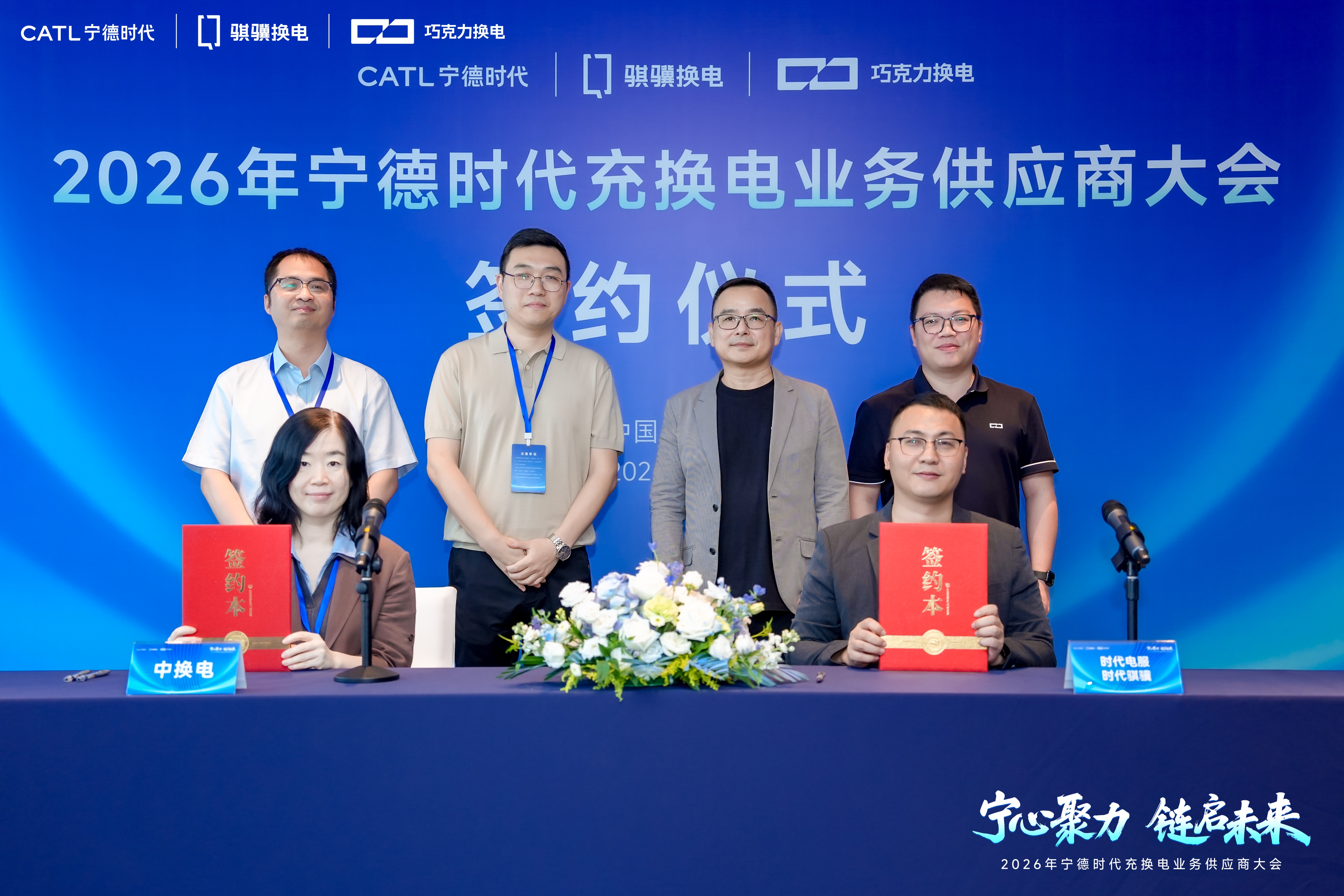
China Battery Exchange had its first CATL heavy-truck battery swap equipment order in August 2025, and in January 2026 entered a three-year strategic cooperation with Times QIJI Green Energy Technology, establishing China Battery Exchange as the designated equipment supplier for CATL's heavy-truck swap program.
2
The eighteen-station order is the first batch procurement under the January 2026 agreement and signals the transition from pilot testing to active commercial operations for CATL's heavy-truck battery swap program.
3
The batch is part of CATL's Ten Thousand Station Plan, with QIJI Energy targeting roughly 900 heavy-truck battery swap stations by year-end 2026.
4
Times QIJI Green Energy Technology is a CATL subsidiary dedicated to chassis-based battery swapping for heavy-duty trucks, and it plays a key role in the program as part of CATL's broader deployment strategy.
5
Kandi Technologies' stock traded down to about $0.70 following the announcement, highlighting investor concerns as the company moves from pilot tests to full-scale rollout.
Kandi Technologies' subsidiary China Battery Exchange has secured an equipment procurement order to outfit eighteen heavy-truck battery swap stations under CATL's QIJI Energy brand, according to PressReach. The deal covers manufacturing, delivery, site deployment, and maintenance — marking the transition from pilot testing to active commercial operations.
This is the first batch order under a three-year strategic cooperation agreement signed in January 2026 with Times QIJI Green Energy Technology, a CATL subsidiary focused on chassis-based battery swapping for heavy-duty trucks, Quiver Quant reported. CATL is targeting roughly 900 heavy-truck battery swap stations by year-end 2026 under its broader Ten Thousand Station Plan.
From First Order to Full-Scale Commercial Rollout
China Battery Exchange first won a CATL heavy-truck battery swap equipment order in August 2025. That pilot phase led directly to the January 2026 three-year cooperation deal, which named China Battery Exchange the designated equipment supplier for CATL's heavy-truck swap program, according to Quiver Quant.
The eighteen-station batch is the first procurement under that formal agreement. It signals a clear shift from small-scale testing to active deployment. Each station gets end-to-end service from Kandi — from building the equipment to keeping it running on-site.
CATL's Nine-Hundred Station Push by Year-End 2026
QIJI Energy is a brand under CATL, one of the world's largest battery makers. Times QIJI Green Energy Technology, its subsidiary, runs the chassis-based swap program for heavy-duty trucks. CATL's Ten Thousand Station Plan aims to build a nationwide network of battery swap stations, GuruFocus reported.
QIJI Energy is targeting roughly 900 stations by the end of 2026 alone. The eighteen-station order is the first step in fulfilling that goal through the new partnership. Each station serves heavy trucks, which need fast battery swaps to stay on the road without long charging stops.
Kandi Stock Falls Despite Major Partnership Win
Investors did not cheer the news. Kandi's stock, traded on the Nasdaq under the ticker KNDI, fell to around $0.70 following the announcement. Benzinga noted the stock was already trading lower as the market digested the update.
The drop may reflect concern about execution risk. Moving from a few pilot stations to hundreds of commercial sites is a big operational step. Investors appear cautious about whether Kandi can scale up fast enough to meet CATL's aggressive 2026 targets.
Kandi's Growing Role in China's EV Swap Ecosystem
The deal cements China Battery Exchange as a key infrastructure partner inside CATL's heavy-truck network. Battery swapping — where a drained battery pack is swapped out in minutes rather than charged over hours — is seen as critical for long-haul trucking in China, according to Seeking Alpha.
Kandi describes itself as a technology-driven platform company and a global innovator in intelligent equipment. The eighteen-station order strengthens its order pipeline and deepens its tie to CATL, the dominant player in China's EV battery market. More batch orders are likely to follow if the rollout stays on track.
Sentiment
Mostly PositiveNEGATIVENEUTRALPOSITIVE
Publishers
11
Articles
18
Reach
29
A
AnonymousAuthor


