Legislative Authority Upheld
Ontario Appeals Court Backs Ford Government in Toronto Bike Lane Removal Case
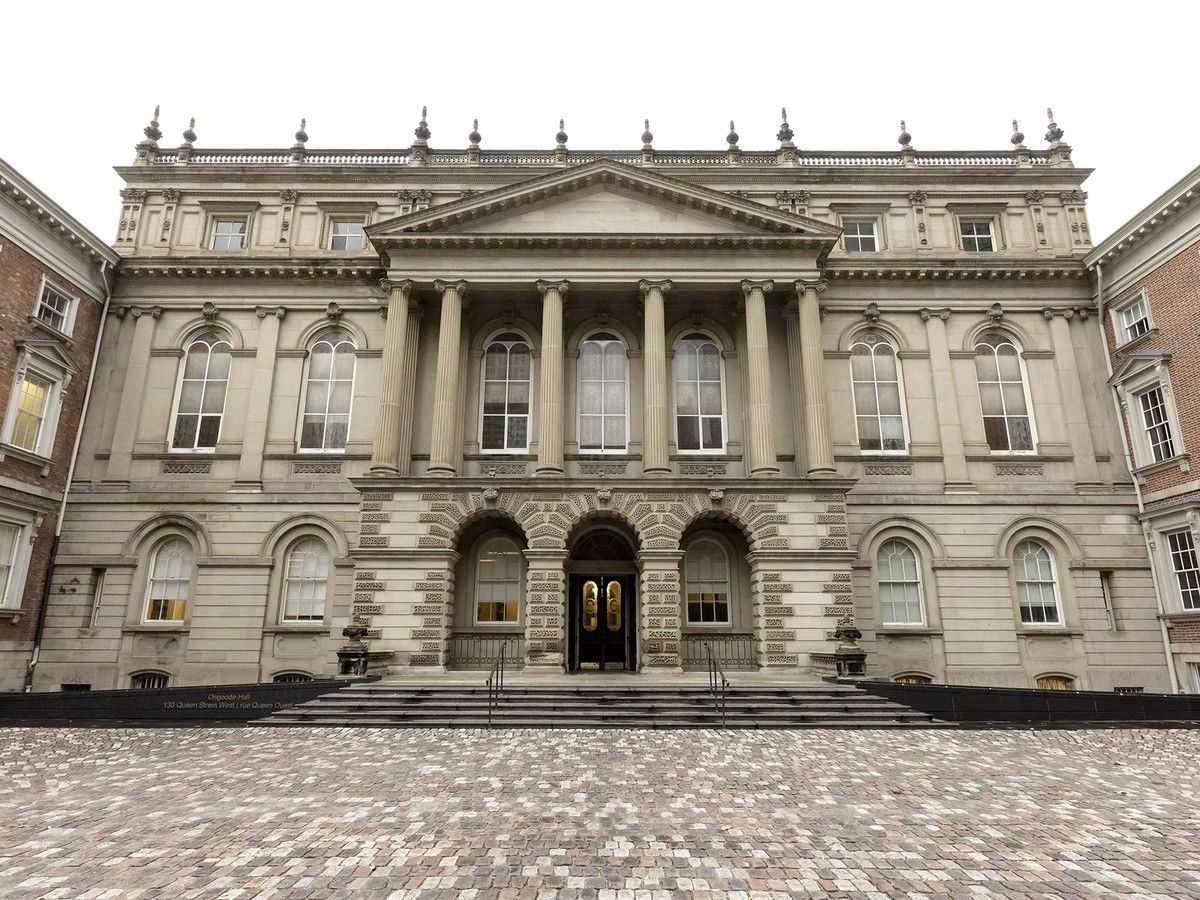
Ontario's top court has handed Doug Ford's government a decisive win in the Toronto bike lane dispute, overturning a lower court ruling that had blocked the removal of three downtown bike lanes. The Ontario Court of Appeal found that the original judge "erred in law" by stepping into territory that belongs to elected lawmakers, not courts, according to National Post.
The ruling sent a sharp message about the limits of judicial power. "The legislature is free to amend or repeal legislation as they choose," the court wrote. "These judgments are no business of the courts."
Lower Court Judge Went Too Far, Appeal Panel Rules
The original judge had blocked the Ford government from removing bike lanes on three Toronto streets, finding a constitutional problem with the plan. But the Court of Appeal rejected that reasoning entirely. The appeal panel found the judge went beyond what courts are legally allowed to do, according to Vancouver Sun.
The ruling was blunt. Courts, it said, have "no expertise in policy making." Getting involved in legislative decisions about things like bike lanes is not just unwise — the court said it is outright illegal for judges to do so. The only question courts can properly answer is whether a law breaks the Constitution.
The Charter Does Not Require Bike Lanes, Court Declares
A central argument in the original case was that removing the bike lanes violated the Canadian Charter of Rights and Freedoms. The Court of Appeal flatly rejected that claim. "The Charter does not require the legislature to establish bicycle lanes," the ruling stated, according to Stratford Beacon Herald.
This matters because the Charter is Canada's most powerful legal tool for challenging government decisions. If a policy does not breach it, courts have very little ground to stand on. The appeal panel said bike lane policy falls squarely in the hands of elected politicians, not judges.
'Judges May Be Tempted' — A Warning About Overreach
One of the most striking parts of the ruling was its warning to judges across the country. The court acknowledged that judges may feel the pull to intervene when they disagree with government decisions. But feeling tempted, the panel made clear, is not the same as having the legal right to act, according to Fort Saskatchewan Record.
The phrase "judges may be tempted" stood out to legal observers as an unusually direct caution from a senior court. It signals that the line between judicial review and policy-making is one courts must not cross — no matter how controversial the government decision at hand.
Ford Government Can Now Remove the Three Bike Lanes
With the appeal ruling in place, the Ford government is free to move ahead with removing the three Toronto bike lanes at the center of the dispute. The province had argued the lanes were slowing traffic and harming the city's economy. Critics, including cycling advocates and some Toronto city councillors, strongly opposed the move, according to Northern News.
The case drew wide attention because it touched on a bigger question: how much power do courts have to stop elected governments from changing laws they passed themselves? The appeal court's answer was clear — legislatures can repeal or change their own laws, and courts must stay out of that process unless the Constitution is actually broken.
Sentiment
NeutralPublishers
13
Articles
12
Reach
13


