NATO Under Fire
North Korea and China Condemn NATO's Militarization, Asia-Pacific Ties Post-Ankara Summit; South Korea Eyes Cooperation
Anonymous
Key Points
1
During the Ankara NATO summit, the alliance held a side meeting with senior officials from its four Asia-Pacific partners, signaling explicit engagement with Asia-Pacific security dialogue alongside the main summit.
2
North Korea said NATO demonstrated a stronger commitment to bloc-to-bloc confrontation through increased arms spending and closer military cooperation with Asia-Pacific allies, while portraying Pyongyang's sovereign rights as threats.
3
North Korea argued denuclearisation should focus first on what it described as South Korea and Japan pursuing their own nuclear weapons under U.S. protection, as well as NATO members' nuclear ambitions.
4
South Korea's President Lee Jae Myung signaled that Seoul hopes to broaden cooperation with NATO on research and development, including cutting-edge technologies and production of weapons systems.
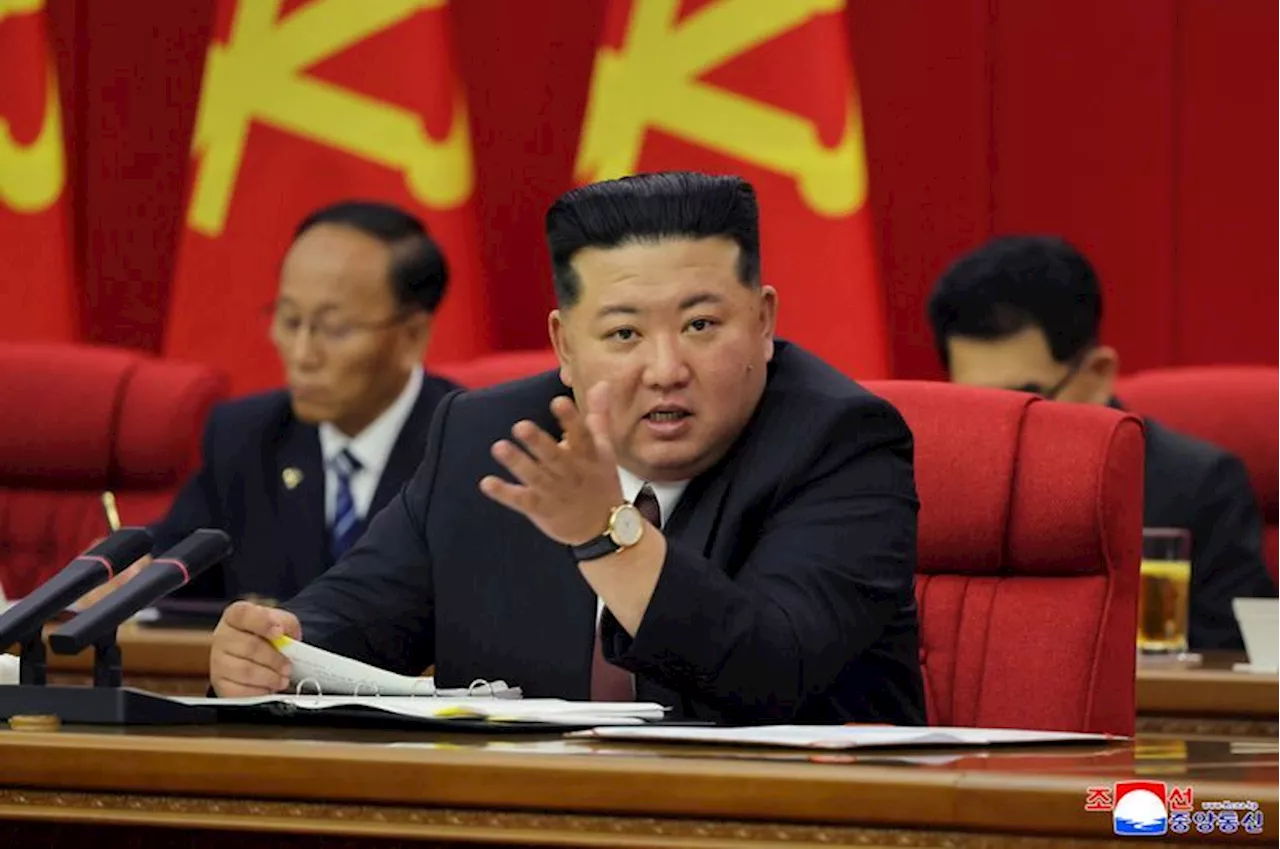
North Korea blasted the NATO summit held in Ankara, Turkey, accusing the alliance of fueling arms buildups and pushing bloc-to-bloc confrontation across Europe and Asia. Pyongyang's foreign ministry said NATO was twisting its sovereign rights into a so-called threat to justify military expansion, according to Street Insider.
China echoed those concerns, urging NATO to drop what Beijing called a Cold War mentality. The summit produced more than $50 billion in military procurement and industrial deals, with U.S. President Donald Trump pressing allies to pay a bigger share of defense costs, according to The Frontier Post.
Pyongyang Accuses NATO of Targeting Its Sovereign Rights
North Korea said NATO leaders deliberately framed Pyongyang's military programs as threats to justify their own arms buildup. The foreign ministry called this a distortion of facts. It said the alliance showed a stronger push toward military blocs and closer ties with Asia-Pacific partners, according to Egyptian Gazette.
A key NATO side meeting during the Ankara summit brought together senior officials from four Asia-Pacific partner countries. North Korea said this move showed NATO expanding its reach well beyond Europe. Pyongyang vowed to protect its sovereignty and security in the face of what it called growing hostility.
North Korea Reframes Denuclearisation as a U.S. Allies Problem
North Korea turned the denuclearisation debate on its head. Pyongyang argued that disarmament talks should begin with South Korea and Japan, which it accused of pursuing nuclear weapons under U.S. protection. It also pointed to nuclear ambitions among some NATO members, according to Arise TV.
The argument is part of Pyongyang's long-running effort to recast itself as a victim of nuclear pressure rather than a threat. By naming U.S. allies first, North Korea tried to shift global attention away from its own weapons program and toward what it calls a double standard in Western policy.
South Korea Eyes Deeper NATO Weapons Cooperation
While North Korea and China condemned the summit, South Korea moved in the opposite direction. President Lee Jae Myung said Seoul wants to expand joint research and development with NATO allies. He signaled interest in cutting-edge technologies and shared production of weapons systems, according to Head Topics.
South Korea's push for deeper NATO ties underscores the widening divide in the region. Seoul sees the alliance as a partner for modernizing its defense industry. North Korea views that same relationship as proof that NATO is spreading militarization into the Asia-Pacific.
China and North Korea United Against NATO's Growing Reach
China and North Korea rarely speak in the same diplomatic voice, but the NATO summit gave them common ground. Beijing urged NATO to stop what it called a Cold War mentality and warned against expanding military alliances into Asia. Pyongyang said NATO actions were undermining peace in both Europe and the Asia-Pacific, according to Street Insider.
The coordinated criticism reflects a broader pattern. Both countries have grown more vocal as NATO deepens ties with partners like South Korea, Japan, and Australia. Analysts say the pushback is unlikely to slow NATO's engagement with Asia, especially as the alliance commits billions to new military spending.
Sentiment
Mostly NegativeNEGATIVENEUTRALPOSITIVE
Publishers
12
Articles
127
Reach
139
A
AnonymousAuthor


