BC Political Realignment
Two BC Conservative MLAs Quit Caucus to Form a New Political Party
Key Points
In British Columbia, forming an official political party requires a minimum of two MLAs, which would in turn unlock a legislative budget for staff; Paton and Milobar are signaling they will form such a party with Milobar as interim leader (no name announced yet).
Paton described a culture of mistrust within the Conservative caucus under Findlay, saying some MLAs were "muzzled" and prevented from talking to the media while leadership changes involved purging staff from key roles.
Paton said he informed Kerry-Lynne Findlay of his decision to leave the caucus via text message, highlighting the abrupt nature of the move.
The plan to form a new party is framed as creating a home for people who feel politically homeless, with Milobar as interim leader and the pair signaling a broader realignment that could challenge the governing NDP.
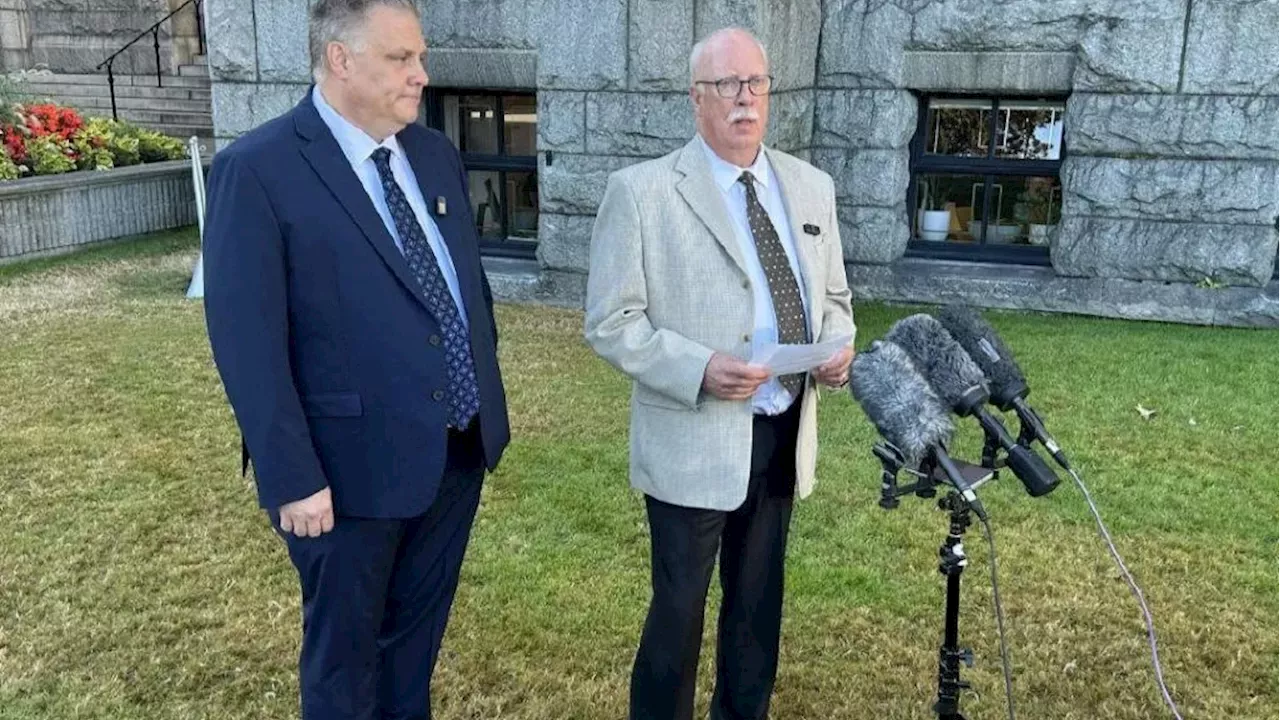
Two British Columbia MLAs have abandoned the Conservative Party and plan to form a new political party, signaling deep turmoil within the provincial right-wing caucus. Ian Paton, the Delta South MLA, and Peter Milobar, the Kamloops Centre MLA, announced the split Global News, with Milobar serving as interim leader of the unnamed new party. The defection exposes fractures within Kerry-Lynne Findlay's Conservative leadership, with Paton citing a culture of mistrust and staff purges that left some MLAs "muzzled" and unable to speak freely.
The two former BC Liberals crossed a critical threshold: under British Columbia law, a party needs at least two MLAs to qualify for official status and legislative funding Delta Optimist. Their move signals a potential realignment in provincial politics that could reshape the battle against the governing NDP. Paton informed Findlay of his departure by text message, underscoring the abrupt nature of the split.
Conservative Caucus Breakdown Over Findlay Leadership
Tensions have boiled over inside the BC Conservative caucus under Kerry-Lynne Findlay's leadership Airdrie City View. Paton said the party suffered from a "culture of mistrust" where staff removals created chaos and uncertainty. Some MLAs were restricted from speaking to media, leaving them frustrated and isolated from the public they represent.
Milobar's departure from the caucus came roughly ten days before Paton's announcement Richmond News, signaling growing discontent among senior Conservatives. Both Paton and Milobar served in the previous BC Liberal government, giving them significant legislative experience and credibility. Their exit suggests Findlay's leadership has failed to unite the party's traditional base.
New Party Unlocks Funding and Legislative Leverage
British Columbia's electoral rules create an incentive for Paton and Milobar to quickly establish a formal party rather than sit as independents. A registered political party with at least two MLAs gains access to public funding and dedicated staff budgets in the legislature Head Topics. This legal threshold makes the two-MLA coalition powerful: they can operate as a real political force, not just independent voices.
The pair have not yet announced the new party's name or full platform. Milobar will serve as interim leader while the party recruits members and develops policy positions. The strategy appears designed to create a "political home" for voters and MLAs who feel abandoned by both the Conservatives and the NDP.
Questions About Conservative Party's Future Direction
The defection of two experienced MLAs raises serious questions about the viability of Findlay's Conservative leadership Delta Optimist. The party had positioned itself as a united alternative to the NDP, but internal chaos suggests that message has fractured. If additional MLAs leave, the Conservatives could lose official party status entirely, a humiliating outcome for a party that hoped to challenge the government.
Paton and Milobar's new party could attract other disaffected Conservatives or BC Liberals seeking a moderate alternative to the NDP's left-wing policies Richmond News. The realignment could reshape BC politics by creating a three-way race instead of a two-way contest. Success depends on whether voters see the new party as a credible choice or view it as a desperate act by politicians fleeing a sinking ship.
Sentiment
Mostly NegativePublishers
12
Articles
40
Reach
52


