Fed Official Signals Rate Hike
Dallas Fed's Logan Argues Modest Rate Hike Necessary as Inflation Lingers
Anonymous
Key Points
1
Markets quickly began pricing in a higher likelihood of a rate hike later this year, with CME's FedWatch showing a 46.5% chance of a 25-basis-point July move (up from 34%), and Kalshi pricing at 36%, as oil prices rose on tensions near the Strait of Hormuz.
2
Logan explicitly framed the inflation challenge with the 2% target: "If inflation is not heading all the way to 2% on its own, then at least some policy restriction is needed to help get it there," signaling that modestly higher rates could better balance the Fed's dual mandate.
3
Logan highlighted that AI investment is booming while financial conditions remain accommodative, which she says matters because demand pressures from new technologies may persist even if productivity gains eventually help, keeping inflation risks alive.
4
She warned that the inflation path back to 2% is tenuous and delaying action could necessitate sharper tightening later with a larger cost to the labor market to restore price stability.
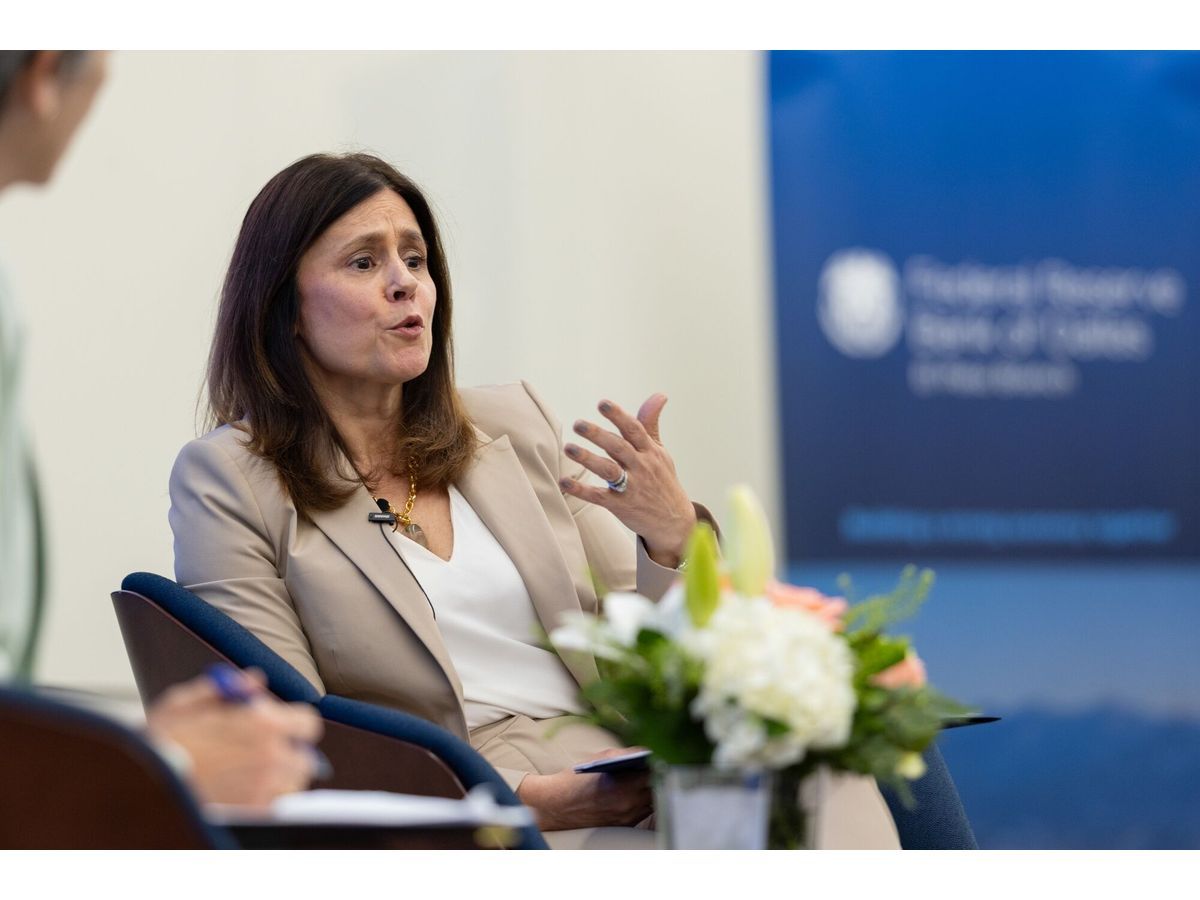
Dallas Federal Reserve President Lorie Logan has called for modestly higher interest rates, becoming the first of Fed Chair Kevin Warsh's new colleagues to publicly push for a rate hike. Logan argued that inflation is not reliably heading back to the Fed's 2% target on its own, and that waiting too long to act could make the eventual fix far more painful. Financial Post reported that Logan, who is a voting member of the rate-setting Federal Open Market Committee this year, said modestly higher rates would better balance the Fed's dual mandate of stable prices and full employment.
Markets moved fast on her remarks. According to Yahoo Finance, the CME FedWatch tool showed the odds of a 25-basis-point rate hike at the July meeting jumped from 34% to 46.5%. Prediction market Kalshi put the chance at 36%. Rising oil prices, driven by fresh tensions near the Strait of Hormuz, added fuel to investor concern that inflation could stay sticky.
Logan's Core Warning: Act Now or Pay More Later
Logan put the stakes plainly. "If inflation is not heading all the way to 2% on its own, then at least some policy restriction is needed to help get it there," she said, according to Bloomberg Law. That is a direct signal that current interest rates may not be tight enough to finish the job. The Fed's benchmark rate currently sits in a range that Logan believes leaves too much room for price pressures to linger.
Her bigger warning was about delay. She said that holding off on action now could force the Fed to raise rates much more sharply later. A bigger rate hike down the road would hit the labor market harder. More workers could lose jobs. Logan made clear that a slow, steady approach now beats a painful shock later, according to Bloomberg Government.
AI Boom and Tight Labor Market Keep Inflation Risk Alive
Logan pointed to two forces keeping demand — and prices — elevated. First, the labor market is still strong. Employers are hiring and consumers are spending. That resilience means there is little natural pressure pulling inflation down toward 2%. The economy, in short, does not look like one that needs help from easy money.
Second, Logan flagged the AI investment boom as a wild card. Huge spending on AI infrastructure is pushing up demand for energy, equipment, and workers in key sectors. Financial Post noted that Logan said financial conditions remain accommodative — meaning money is still relatively cheap and easy to get — which could make AI-driven demand pressures last longer. Productivity gains from AI may help eventually, but Logan warned they may not arrive fast enough to offset near-term inflation risks.
Middle East Tensions Add a New Inflation Wild Card
Logan also flagged risks beyond U.S. borders. Renewed tensions in the Middle East, particularly near the Strait of Hormuz, are pushing oil prices higher. The Strait is one of the world's most critical shipping lanes for crude oil. Any disruption there can quickly ripple through to gas prices at the pump and broader inflation across the economy.
Freedom 96.9 reported that rising energy costs are already showing up in market prices. If oil stays elevated, it could keep headline inflation above the Fed's 2% target even if other price pressures ease. Logan's mention of geopolitical risk signals that the Fed is watching global flashpoints, not just domestic data, as it weighs its next move.
A Dissenting Voice Sets Up a Heated Policy Debate
Logan's call stands out inside the Fed. Most of her colleagues have signaled patience, preferring to hold rates steady while they watch more data come in. Her public push for a hike makes her a notable outlier. She stopped short of calling for a specific July move, but her remarks put the question squarely on the table ahead of upcoming policy meetings.
Yahoo Finance noted that investors are now taking the possibility of a summer hike seriously. A 46.5% chance of a July move is not a certainty, but it is no longer a fringe view. If upcoming inflation or jobs data comes in hotter than expected, Logan's position could quickly gain more allies inside the Fed — and markets would move sharply in response.
Sentiment
Mostly PositiveNEGATIVENEUTRALPOSITIVE
Publishers
13
Articles
130
Reach
143
A
AnonymousAuthor


