State Worker Strike Vote
California state workers will vote on authorizing a historic strike amid stalled contract talks.
Anonymous
Key Points
1
SEIU Local 1000 says the state rejected its proposal for a 20% salary increase spread over three years; contract protections remain in effect while negotiations continue.
2
The dispute includes Gov. Gavin Newsom’s executive-order requirement that state workers return to the office four days a week, a mandate the union wants to change.
3
SEIU last held a strike-authorization vote in 2016 under then-Gov. Jerry Brown, but the union has never carried out a statewide strike; it said the current action would therefore be historic.
4
The union represents a broad range of workers, including cooks, custodians, nurses and office staff working at agencies and facilities such as the DMV, EDD, Caltrans, prisons, hospitals and schools.
5
Sarah Kirkendall, a licensed vocational nurse with the California Department of Corrections and Rehabilitation, said members do not want to strike but must be prepared if the Newsom administration refuses to bargain in good faith.
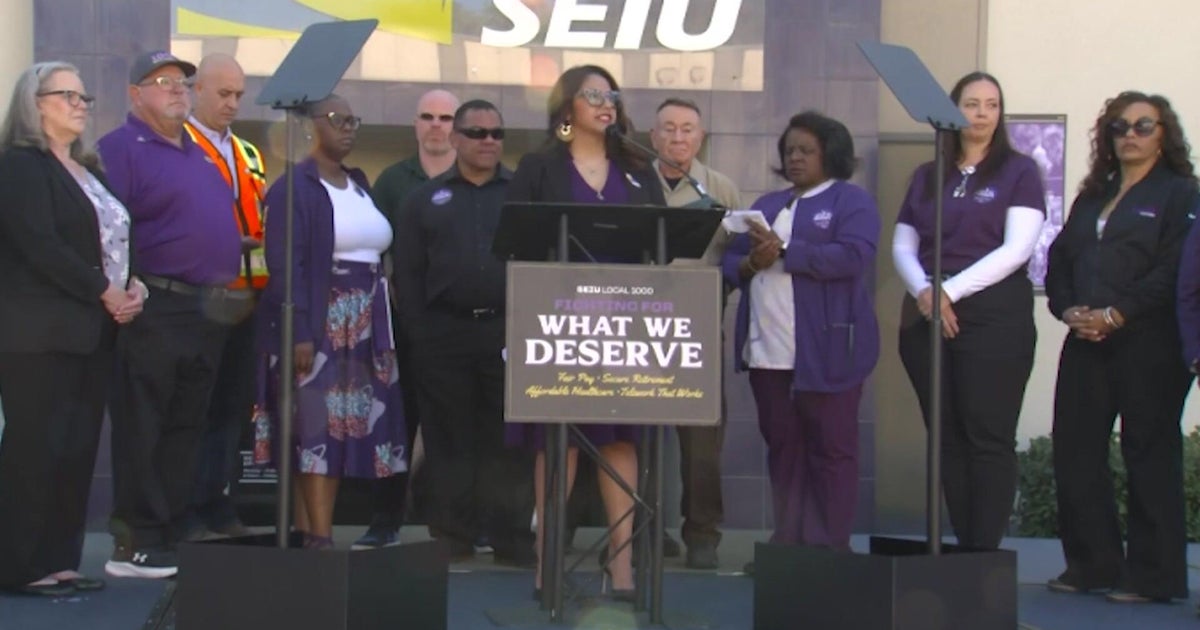
California's largest state workers union is preparing for a historic vote. SEIU Local 1000, which represents more than 100,000 state employees, will let members vote on whether to authorize a strike between September 9 and October 7. The union has never launched a statewide strike in its history, despite holding a similar authorization vote in 2016.
The move comes after contract talks with Governor Gavin Newsom's administration stalled. The union wants a 20% pay raise over three years, better health care, and an end to the four-day-a-week office requirement. The Center Square reports the previous contract expired June 30, and the union filed an unfair-practice charge claiming the state rejected proposals without making counteroffers.
Fifty Years of Labor Peace Faces New Test
The union's last strike authorization vote happened in 2016 under then-Governor Jerry Brown. But that union never actually walked out. SF Weekly notes this potential strike would be the first statewide work stoppage in the union's history. The vote itself does not trigger a strike—it simply gives union leadership the legal authority to call one if negotiations fail completely.
SEIU Local 1000 represents a diverse workforce. Members include nurses, cooks, custodians, office staff and maintenance workers across state agencies. They work at the DMV, EDD, Caltrans, prisons, hospitals and schools. A licensed vocational nurse at the California Department of Corrections told reporters: "Members do not want to strike but must be prepared if the Newsom administration refuses to bargain in good faith."
State Workers Demanding 20% Raises and Flexible Work Rules
SEIU's core demands center on three issues: wages, health care and work location. The union proposed a 20% salary increase spread across three years. It also wants more affordable health insurance options and the ability to negotiate remote work arrangements. AOL News reports the state currently has no contract in place, though existing protections remain in effect while talks continue.
Governor Newsom's administration issued an executive order requiring state workers to return to offices four days per week. The union opposes this mandate and wants the flexibility to negotiate schedules by department. The state argues it needs workers on-site to better serve the public and maintain productivity across government operations.
State Claims Good Faith Bargaining Continues
The Newsom administration disputes the union's claim that it refused to bargain in good faith. Forward Business reports the state maintains it will continue negotiating and working toward an agreement. However, the union argues the state simply rejected proposals without presenting its own counteroffers, violating labor law.
The unfair-practice charge filed by SEIU could escalate tensions before the authorization vote. If the charge is upheld, it would strengthen the union's position and potentially increase member support for strike authorization. No timeline for resolving the dispute has been announced by either side.
Sentiment
Mostly NegativeNEGATIVENEUTRALPOSITIVE
Publishers
12
Articles
32
Reach
44
Topics
A
AnonymousAuthor


