Netanyahu's Iran Warning
Netanyahu Warns Iran of Stronger Response Amid Fragile Ceasefire and Regional Tensions
Anonymous
Key Points
1
Netanyahu framed the Iran threat in the context of Tehran striking US allies in the region, warning that Israel will respond overwhelmingly to any attack and prepared for every scenario, including actions beyond previous responses.
2
Israel conducted a retaliatory strike on Iranian petrochemical facilities in southwest Iran on June 8 in response to Iranian missile attacks on Israel, illustrating the ongoing tit-for-tat across the region.
3
Netanyahu highlighted rapid growth in the Tekuma border region and noted that Gaza border rehabilitation has pushed the local population beyond prewar levels, signaling ongoing domestic-focused development tied to the conflict.
4
Market-based risk signals suggest a higher perceived likelihood of broader Israeli strikes in 2026, with analysts pricing in renewed conflict if the ceasefire breaks, reflecting ongoing geopolitical uncertainty.
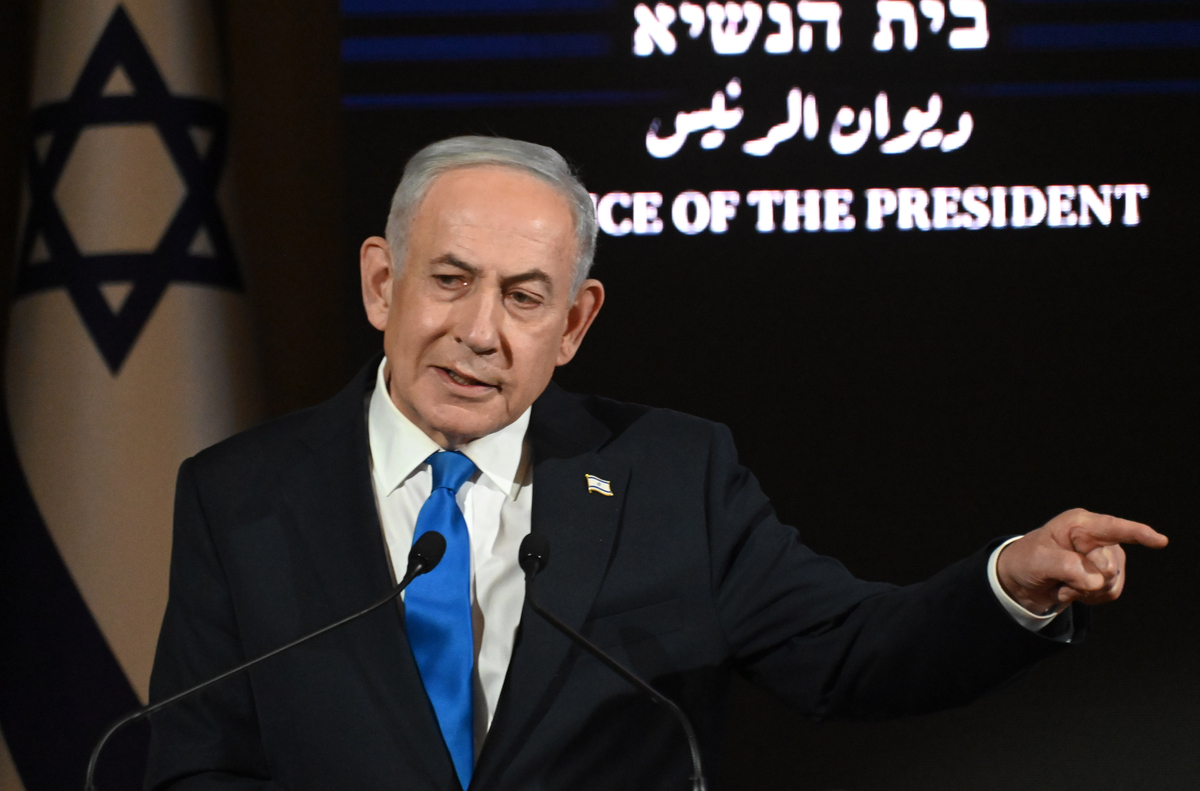
Israeli Prime Minister Benjamin Netanyahu warned Iran on Wednesday that any future attack on Israel would be met with a response far greater than anything seen before. Speaking at the Negev Conference in Dimona, Netanyahu told Iranian leaders bluntly: "If you attack, things will get much worse," according to The Jerusalem Post.
The warning comes weeks after Israel struck Iranian petrochemical facilities on June 8 in retaliation for Iranian missile attacks. Netanyahu made clear the era of limited, proportional replies is over. Israel, he said, is "prepared for every scenario."
Netanyahu Vows Far Stronger Strike If Iran Attacks Again
Netanyahu used the Negev Conference to issue his sharpest warning yet. He said Israel would respond to any Iranian attack with "far more powerful" force, according to Times of Israel. He framed Iran as the center of what he calls an "axis of evil" — a network of hostile groups that includes Hezbollah and other Iranian-backed militias striking US allies across the Middle East.
"There will be no quiet and no rerun of past events," Netanyahu said. The statement signals a deliberate shift in Israeli deterrence strategy — from matching Iran blow for blow to threatening a response that would raise the cost of any attack to an unbearable level, according to Seoul Daily.
June 8 Strike on Iranian Petrochemical Sites Set the Tone
Israel struck Iranian petrochemical facilities in southwest Iran on June 8. The strike was a direct retaliation for Iranian missile attacks on Israeli territory. It marked one of the most significant Israeli offensive actions inside Iran to date and signaled Jerusalem's willingness to hit economic infrastructure, not just military targets.
The tit-for-tat pattern has rattled regional stability. A fragile ceasefire is now in place, but Crypto Briefing reports that analysts are pricing in a renewed risk of full conflict if that ceasefire breaks. Market signals — which traders use to bet on geopolitical outcomes — show a higher perceived chance of broader Israeli strikes in 2026.
Hezbollah Weakened but Israel Keeps Up Pressure on All Fronts
Netanyahu also highlighted the damage done to Hezbollah, Iran's most powerful regional proxy. He said the Lebanese militant group now holds only 7% to 8% of its original missile stockpile, according to The Jerusalem Post. That is a dramatic reduction from the roughly 150,000 missiles Hezbollah was estimated to possess before recent Israeli operations.
On the Gaza front, Netanyahu pointed to progress in rebuilding communities near the border. He said the population in the Tekuma border region has already surpassed prewar levels. The region's recovery, he argued, proves that Israeli security and domestic resilience go hand in hand, according to Arutz Sheva.
Warnings Raise Deterrence Stakes but Also Escalation Risks
Analysts warn that Netanyahu's rhetoric, while designed to deter Iran, also raises the risk of miscalculation. When both sides publicly commit to strong responses, a single incident can spiral quickly. The statements also keep the United States closely engaged. Washington has a strong interest in preventing a full regional war that would destabilize the Gulf and spike oil prices globally.
Diplomacy continues in the background, but the ceasefire terms remain fragile. Netanyahu's speech in Dimona sent a dual message: to Iran, that the cost of aggression just went up; and to Israelis, that their government is building back stronger. Whether the warning holds or triggers a new round of strikes will define the region's next chapter.
Sentiment
Mostly NegativeNEGATIVENEUTRALPOSITIVE
Publishers
31
Articles
33
Reach
64
Topics
A
AnonymousAuthor


