Fed Rate Policy Warnings
KC Fed President Jeffrey Schmid warns inflation remains too high for current rates
Anonymous
Key Points
1
Schmid cited that energy prices have risen due to the Middle East conflict, adding to inflationary pressures and reinforcing his view that policy needs tightening.
2
He highlighted three 'thoughtful' dissents at the Fed's July policy meeting, signaling his stance that inflation remains too high and that sooner action may be warranted.
3
Schmid noted that he dissented twice last year against rate cuts, underscoring a consistent skepticism about easing in the face of inflation pressures.
4
He argued that moves in the policy rate affect market behavior at a macro level and stressed the need to understand demand-side drivers of growth and inflation (not just supply).
5
Schmid pointed to a large runup—20% to 30%—in agriculture commodities in recent weeks as an inflationary pressure tied to demand, noting there must be demand behind such moves.
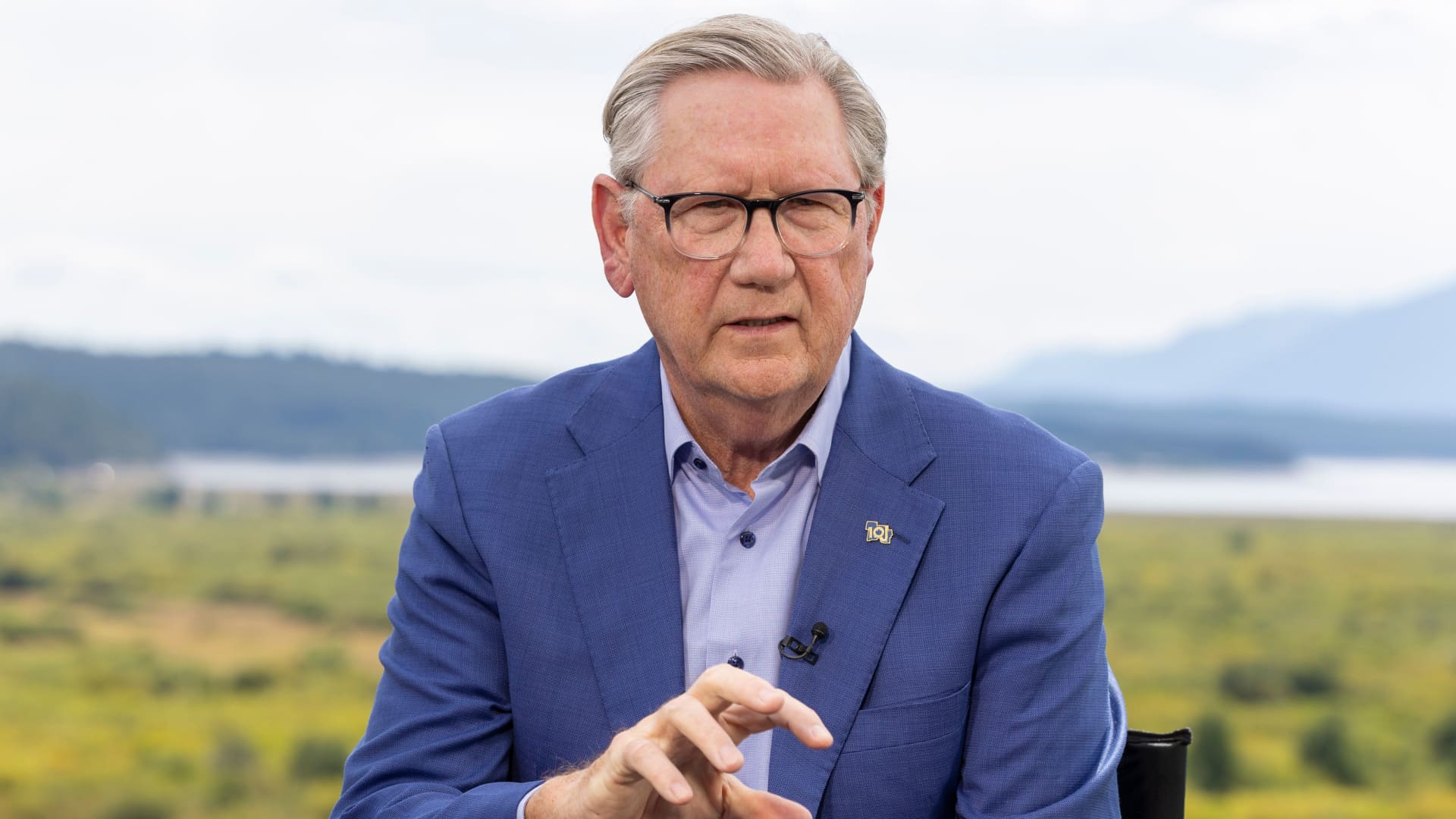
Kansas City Federal Reserve President Jeffrey Schmid warned that inflation remains stubbornly high and current interest rates are too accommodative to bring prices back to the Fed's 2% target. Speaking at Jackson Hole, Schmid noted core inflation sits near 3.3%, far above where it should be, while economic growth remains solid and unemployment holds at 4.1%. CNBC reported that Schmid questioned what the Fed's current 3.5%-3.75% rate is actually restraining, suggesting policy needs to tighten.
Schmid remains undecided on an immediate rate hike but has grown more hawkish over time. He dissented twice last year against rate cuts and backed three additional dissents in July, signaling deep skepticism about easing policy when inflation pressures remain so strong.
Middle East Conflict Adds to Price Pressures
Schmid cited rising energy prices tied to Middle East tensions as a key inflationary concern that reinforces his call for tighter policy. He emphasized that energy shocks ripple through the economy and demand more aggressive Fed action. Tipranks reported Schmid highlighted these pressures during his Jackson Hole remarks, warning that energy costs remain a structural headwind.
Agriculture Commodity Runup Signals Demand-Driven Inflation
Schmid pointed to a 20%-30% surge in agriculture commodity prices in recent weeks as proof that demand—not just supply constraints—is driving inflation. He stressed that such large moves cannot happen without strong underlying demand behind them. Archynetys noted Schmid emphasized understanding demand-side drivers of growth as essential to Fed policymaking.
Schmid Questions Whether Rates Can Actually Restrain the Economy
Schmid raised a sharp critique: what exactly is a 3.5%-3.75% federal funds rate actually restraining right now? CNBC reported he suggested current policy fails to meaningfully slow demand or inflation. With solid growth, a tight labor market, and ongoing price pressures, Schmid argued the Fed needs higher rates to prevent future overheating.
He also floated a procedural shift: reducing annual FOMC meetings from eight to six. Schmid has not fully committed to a rate hike yet, saying he needs more information. But his repeated emphasis on accommodative policy and past dissents suggest he leans hawkish on the inflation fight.
Sentiment
Mostly NegativeNEGATIVENEUTRALPOSITIVE
Publishers
11
Articles
18
Reach
29
A
AnonymousAuthor


