Luxury Market Boom
Richemont's Q1 Sales Climb 17% as Jewelry Maisons and Global Regions Drive Strong Growth
Anonymous
Key Points
1
Richemont’s moat extends beyond brands to include disciplined pricing power, long product cycles, and strong control over distribution, with jewelry brands benefiting from high entry barriers and iconic, long-lasting collections that support durable profitability.
2
Cartier-driven demand in the United States is a key driver of the quarter, helping the jewelry division post a 24% rise and contributing to overall 20% growth at constant exchange rates, with Richemont shares rising as much as 7.4% on the Zurich market.
3
Asia-Pacific posted about 21% growth at currency-adjusted rates, with China, Macau and Hong Kong delivering double-digit gains, underscoring the region’s rebound alongside strong US performance and a return to growth in Europe, the Middle East and Africa.
4
Richemont maintained a robust balance sheet ahead of the quarter, reporting about €9.1 billion in cash, including a €0.4 billion cash inflow during the period, which supports ongoing investments and capital allocation.
5
The ‘Other’ division, which covers fashion and accessories brands, also contributed meaningfully with about 9% growth, illustrating broader diversification beyond jewelry and watches.
Swiss luxury group Richemont posted €6.33 billion in sales for its first quarter, a 20% jump at constant exchange rates, according to Morningstar. The results topped analyst expectations and sent Richemont shares up as much as 7.4% on the Zurich market.
Jewelry was the engine. Richemont's jewelry division — home to Cartier and Van Cleef & Arpels — grew 24% in the quarter. Strong US demand for Cartier drove much of that gain, MarketScreener reported.
Jewelry Maisons Post 24% Growth, Lead the Company
Richemont's four jewelry houses are the heart of the business. They grew 24% in Q1, far outpacing the rest of the group. Cartier, the most valuable brand, drew heavy demand from American shoppers. The Americas region as a whole grew about 27%, making it the top-performing geography, according to MarketScreener.
What makes these brands so strong? Morningstar points to high barriers to entry, iconic collections that span generations, and tight control over where and how products are sold. These are not trends. They are institutions. That makes it very hard for rivals to compete.
Asia-Pacific Rebounds With 21% Currency-Adjusted Growth
Asia-Pacific was the other big story. The region grew about 21% at constant exchange rates. China, Macau, and Hong Kong all posted double-digit gains, according to MarketScreener. That marks a meaningful rebound for a region that had been sluggish over the past year.
Europe, the Middle East, and Africa also returned to growth. The broad recovery across regions shows Richemont is not relying on any single market. That geographic spread gives the company a cushion when one area slows down.
Watchmakers Recover, But Jewelry Still Steals the Show
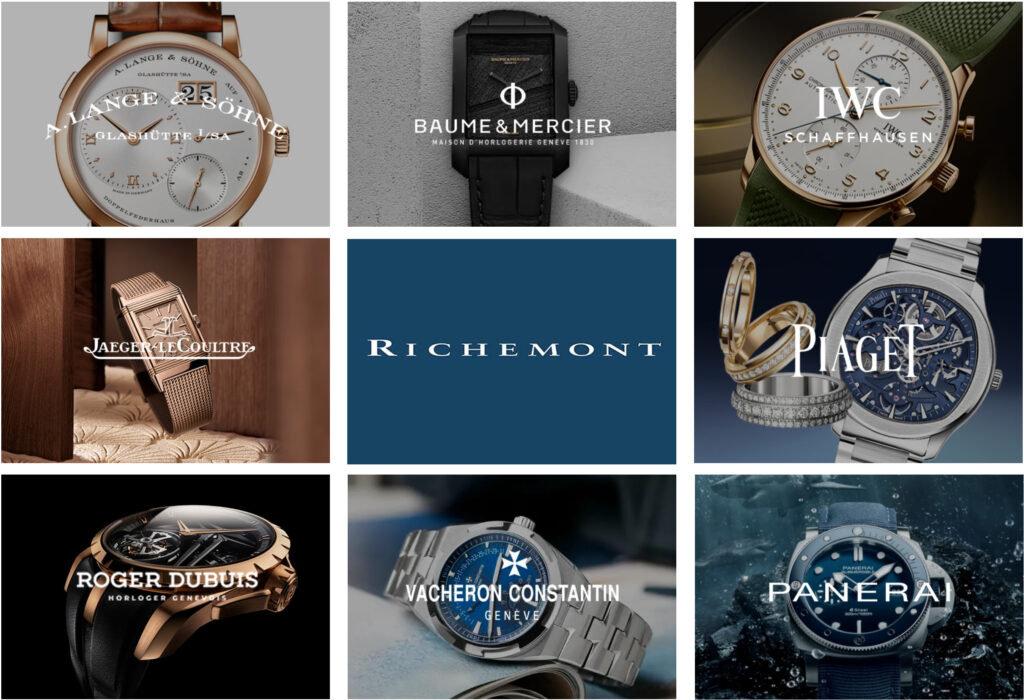
Richemont's watch division also improved. WatchPro reported 8% growth at constant currency for the watchmakers in Q1, or 6% in actual terms. That is a solid rebound after a rough stretch for the Swiss watch industry overall. Still, watches grew at less than half the pace of jewelry.
The 'Other' division, which covers fashion and accessories brands, grew about 9%. That adds another layer of diversification. Richemont is not a one-trick pony — but jewelry is clearly its strongest card right now.
€9.1 Billion Cash Pile Signals Financial Strength
Richemont entered the quarter with about €9.1 billion in cash. It added another €0.4 billion during the period. That kind of balance sheet gives the company room to invest, return money to shareholders, or weather a downturn without stress.
Analysts point to disciplined pricing and careful capital allocation as key reasons Richemont keeps delivering. The company does not chase volume. It protects its brands and raises prices steadily. That strategy, Morningstar notes, supports durable profits even when the broader luxury sector hits rough patches.
Sentiment
Mostly PositiveNEGATIVENEUTRALPOSITIVE
Publishers
30
Articles
72
Reach
102
A
AnonymousAuthor


