First UK Drought
North Wales declares first UK drought amid record dry spell and rising wildfire risk.
Anonymous
Key Points
1
Rainfall deficit is extremely severe in the region, with North Wales and the Upper Severn having received less than 2% of the expected rainfall for the month so far.
2
There are currently no Temporary Use Bans (hosepipe bans) in the drought-affected areas, according to water company Dwr Cymru.
3
All of Wales has shifted to drought or prolonged dry weather status, with remaining catchments in south-west and south-east Wales moving to prolonged dry weather, signaling a comprehensive regional condition.
4
The declaration is described as the first drought declaration in the UK during this period of heat and dryness.
Natural Resources Wales has officially declared drought across North Wales and the Upper Severn — the first drought declaration in the UK during the current stretch of record-breaking heat and dryness, according to The Bangor Aye. The affected areas include North Gwynedd, Ynys Môn, South Gwynedd, Dee, Clwyd and the Upper Severn. Some parts of North Wales have had little to no meaningful rainfall since July 6.
The rainfall deficit is staggering. North Wales and the Upper Severn have received less than 2% of the rainfall expected for the month, according to KMFM. July is on track to be the driest on record in nearly 190 years unless heavy rain arrives soon.
Record-Low Rivers and Expanding Wildfire Threat
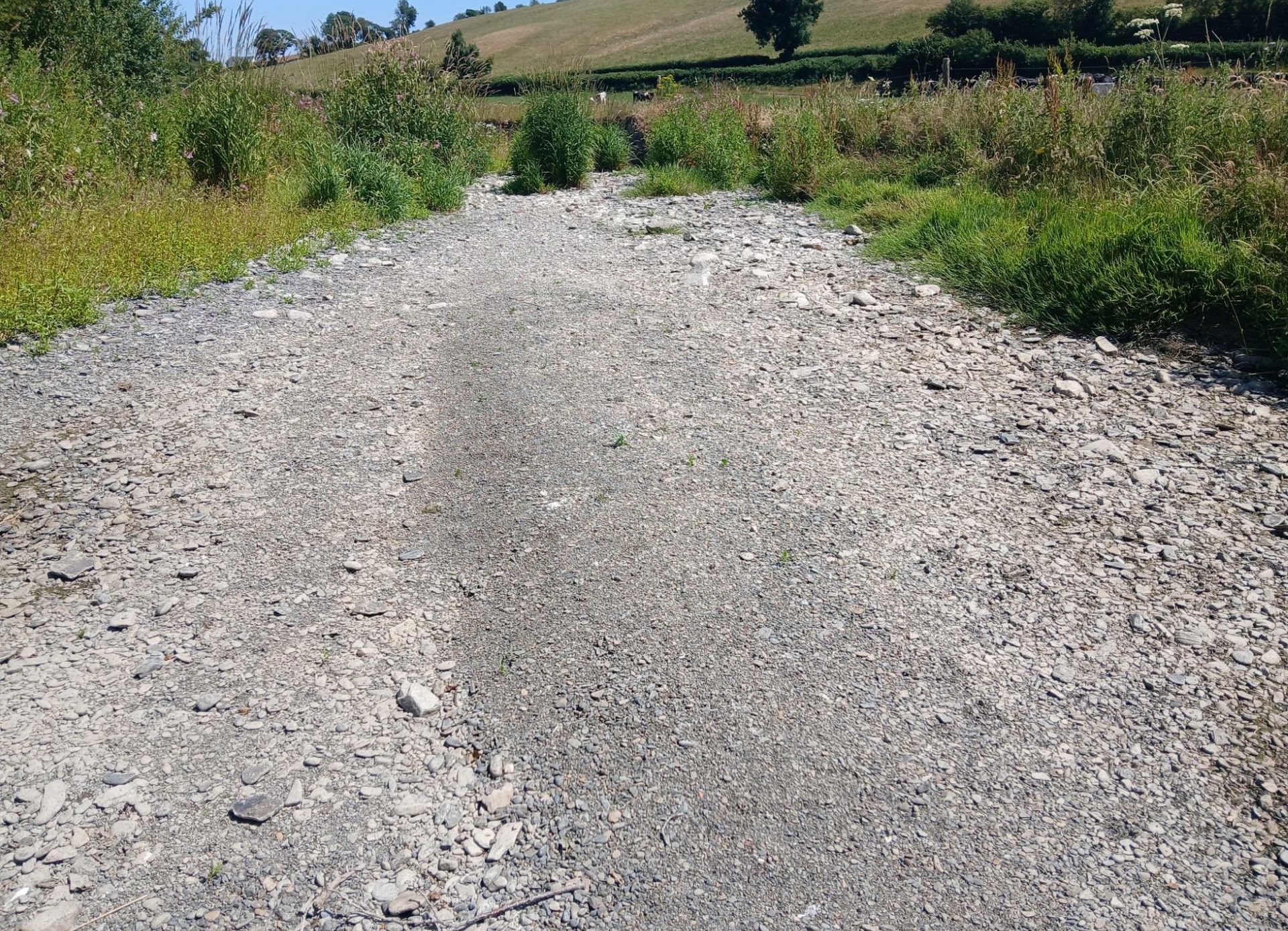
River flows across North Wales have dropped to exceptionally low levels. River and groundwater temperatures are staying dangerously high. Natural Resources Wales says these conditions are driving a growing wildfire risk across the region, according to The Bangor Aye. Authorities are working directly with fire services and land managers to protect water resources and respond to blazes.
Wildfires, dwindling rivers and successive heatwaves all pushed officials toward the drought declaration, according to Express. Groundwater levels are also falling. The combination of high temperatures and almost no rain has put serious pressure on local ecosystems.
No Hosepipe Bans Yet, But Public Urged to Save Water
The drought declaration does not automatically mean water shortages for households. Water company Dwr Cymru confirms there are currently no Temporary Use Bans — commonly known as hosepipe bans — in the affected areas, according to AOL. Reservoir levels across Wales remain healthy overall.
Even so, officials are urging the public to use water wisely. Every drop saved at home reduces pressure on rivers, wetlands and wildlife already stressed by the dry spell. The focus right now is on protecting ecosystems, not rationing supply.
All of Wales Now Under Drought or Dry Weather Status
The drought declaration in the north is part of a much wider picture. All remaining catchments in south-west and south-east Wales have moved from normal conditions to prolonged dry weather status, according to KMFM. That means every part of Wales is now flagged as either in drought or experiencing prolonged dry weather.
North Wales and the Upper Severn are the first areas in the entire UK to formally cross into drought status during this period of heat, according to Express. Officials say they will keep monitoring conditions closely as the dry spell continues with no significant rain in the forecast.
Daily Mail Claim of 23 Million Under Hosepipe Bans Disputed
Daily Mail reported that 23 million people in Britain are under hosepipe bans linked to the drought. However, water company Dwr Cymru has stated clearly that no such bans are currently in place in the drought-declared areas of North Wales. Other sources make no mention of bans affecting millions of people.
The discrepancy is worth noting. The official position from water managers is that supply remains stable and no restrictions on household water use are in force. Consumers in the region are being asked to be careful voluntarily, not legally required to cut back.
Sentiment
Mostly NegativeNEGATIVENEUTRALPOSITIVE
Publishers
18
Articles
23
Reach
41
A
AnonymousAuthor


