Kalshi Contracts Ruled Illegal
Washington Court Blocks Kalshi Sports Contracts, Upholds State Gambling Laws Against Federal Preemption Claim
Anonymous
Key Points
1
The court held that gambling regulation and futures market regulation occupy separate legal fields, and enforcing Washington's gambling statutes against Kalshi would not undermine the federal framework for futures trading; states retain authority to define illegal gambling within their borders, meaning Kalshi contracts could be lawful in some states and prohibited in others.
2
The judge rejected Kalshi's claim of exclusive federal jurisdiction under the CEA and specifically rejected the CFTC's impartial-access rule as a basis to preempt state enforcement.
3
The court found Kalshi's offerings amount to illegal gambling and indicated Kalshi's advertising may violate Washington's Consumer Protection Act.
4
Background context: Washington bans internet gambling and restricts legal sports wagering to in-person tribal gambling, underscoring the state's strict anti-gambling regime at the heart of the case.
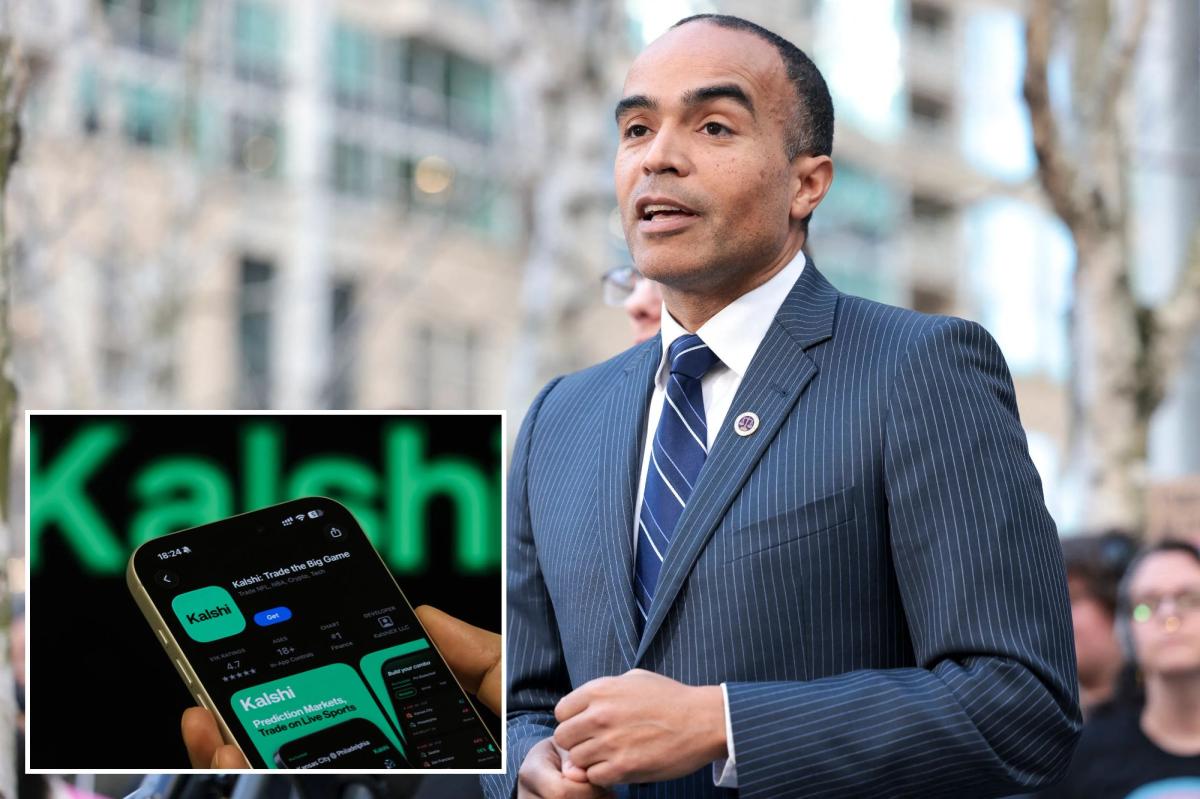
A Washington state judge has blocked Kalshi from offering sports-event contracts in the state, ruling the prediction-markets company likely violated state gambling laws. Judge John McHale of King County granted a preliminary injunction after Washington Attorney General Nick Brown sued Kalshi in March, alleging the company ran unlicensed online gambling operations, according to NY Post.
The ruling is a major setback for Kalshi, one of the fastest-growing prediction-market platforms in the US. A finalized injunction order is due by August 5, 2026, with proposed terms to be submitted by August 3, according to Morningstar.
Judge Finds Kalshi Contracts Amount to Illegal Gambling
Judge McHale ruled that Kalshi's sports-event contracts likely qualify as illegal gambling under Washington law. Washington bans internet gambling entirely and limits legal sports wagering to in-person betting at tribal casinos. The court found Kalshi's platform crossed those lines by letting Washington residents place wagers online without a license, according to Morningstar.
The court also found that Kalshi's advertising likely violated Washington's Consumer Protection Act. As part of the ruling, Kalshi must preserve all records tied to Washington consumers while the case continues, according to NY Post.
Federal Preemption Argument Rejected by the Court
Kalshi argued that federal law should block Washington from enforcing its gambling rules. Specifically, Kalshi pointed to the Commodity Exchange Act, or CEA, which governs futures trading nationwide. The CEA gives the federal Commodity Futures Trading Commission, or CFTC, authority over prediction markets like Kalshi's, according to MarketScreener.
The judge rejected that argument. He ruled that gambling regulation and futures-market regulation are two separate legal areas. Enforcing Washington's gambling laws would not undermine the federal futures-trading system. The court also dismissed the CFTC's impartial-access rule as a reason to block state enforcement, according to Morningstar.
States Can Set Their Own Gambling Rules, Court Says
The ruling makes clear that states keep the power to decide what counts as illegal gambling within their borders. That means a Kalshi contract could be perfectly legal in one state and banned in another. The judge said Kalshi can comply with both federal futures rules and state gambling laws at the same time, according to MarketScreener.
This sets up a patchwork legal landscape for prediction-market platforms across the country. Washington's strict anti-gambling rules put it among the toughest states for companies like Kalshi to operate in. Other states with looser rules may remain open for business.
What Comes Next for Kalshi in Washington
The preliminary injunction is not a final ruling. The court will work out exact terms in a follow-up order. Kalshi must submit proposed terms by August 3, and the judge must finalize the injunction by August 5, 2026, according to Morningstar. The underlying lawsuit, filed by Attorney General Nick Brown in March, will continue in court.
Kalshi has not said publicly whether it will appeal. The company built its business on the idea that CFTC oversight shields it from state-level challenges. This ruling directly challenges that model and could invite similar lawsuits from other state attorneys general watching the case closely, according to NY Post.
Sentiment
Mostly NegativeNEGATIVENEUTRALPOSITIVE
Publishers
13
Articles
26
Reach
39
A
AnonymousAuthor


