Unresolved Gen Z Reforms
Nepal's Gen Z Uprising Leaves Key Political and Institutional Reforms Unresolved
Anonymous
Key Points
1
The uprising was triggered in part by the government’s attempted restrictions on social media platforms, which young people viewed as an effort to suppress dissent and conceal corruption. The movement’s agenda also included climate justice and creating domestic employment to reduce youth migration for low-wage work abroad.
2
The protests produced a significant increase in electoral participation, with more than 800,000 new voters registered after the movement, even though activists say this electoral energy has not yet translated into institutional reform.
3
The two-day uprising reportedly left at least 77 people dead and 2,429 injured, while causing estimated economic losses of 84.45 billion rupees; more than 20 students were killed outside Parliament on the first day.
4
The government’s 10-point agreement with Gen Z representatives included commitments to free healthcare, education and employment for victims, security-sector reform, an end to political appointments, electoral reform and protection of digital rights. The Gen Z Front says visible measures such as martyr declarations and compensation have advanced, but structural reforms, accountability and investigations remain stalled.
5
The political upheaval overturned KP Sharma Oli’s plans beyond the proposed power-sharing arrangement: shortly before the uprising, he had helped amend the UML statute to remove the 70-year age limit and two-term limit for the party chair, potentially allowing him to remain party leader. The protests instead led to his evacuation by helicopter and Sushila Karki’s appointment as interim prime minister.
A year after Nepal's Gen Z uprising toppled the government and killed at least 77 people, young activists say their core demands remain unfulfilled. France24 reported that the violent revolt, triggered when the government tried to suspend social media platforms, forced then-prime minister KP Sharma Oli to resign and led to an interim government headed by former Chief Justice Sushila Karki. But Ratopati notes that structural reforms, accountability investigations, and checks on political power have stalled, even as the movement reshaped Nepal's political landscape.
The uprising delivered immediate electoral gains: the Rastriya Swatantra Party won 30 of 32 seats in Madhesh, and over 800,000 new voters registered after the movement. Yet Streamline Feed reports that survivors and activists say this electoral energy has not translated into the institutional changes they fought for—good governance, employment opportunities, digital rights protection, and investigations into protest violence.
A Revolt Sparked by Censorship and Corruption
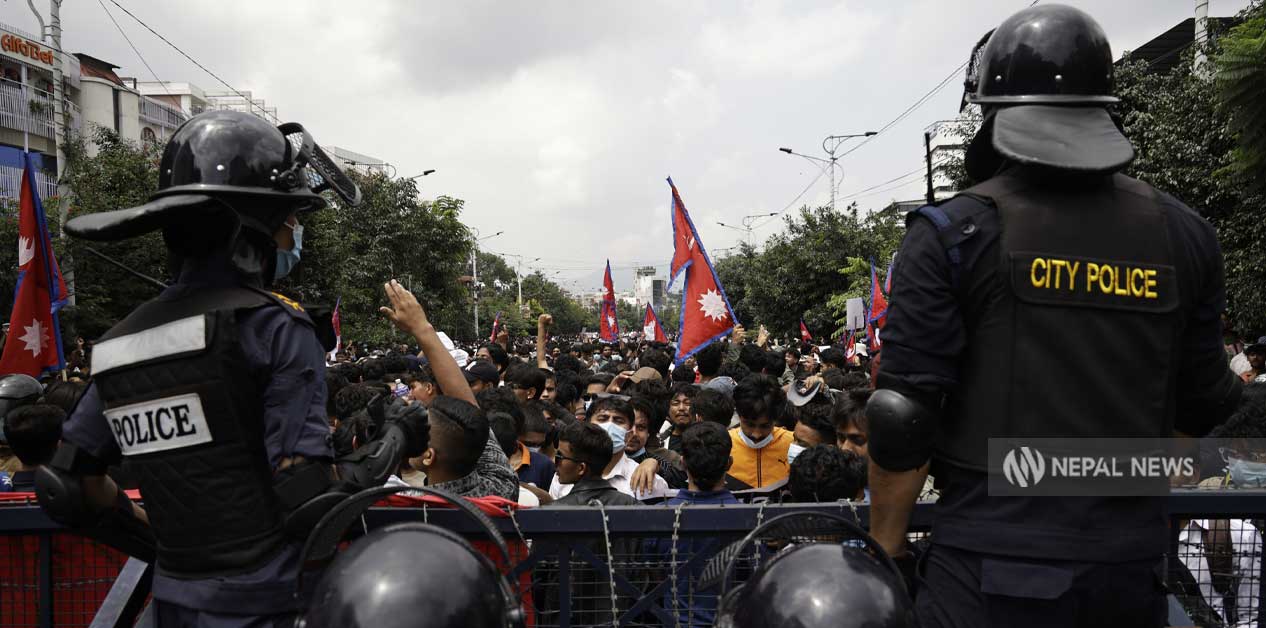
Nepal's Gen Z uprising erupted when the government attempted to ban social media platforms, which young people saw as an effort to suppress dissent and hide corruption. Ratopati states the movement united youth around demands for good governance, an end to corruption, and removal of social media restrictions. The two-day uprising on March 5-6 left at least 77 dead and 2,429 injured, with more than 20 students killed outside Parliament on the first day. Economic losses reached 84.45 billion rupees.
Beyond censorship, young activists pushed for climate justice and domestic job creation to stop youth migration for low-wage work abroad. Dayton Daily News reports the protests were held at the old Parliament building in Kathmandu against corruption and the social media ban, signaling broad frustration with how the government operated.
The Government's Promises and Partial Delivery
The interim government signed a 10-point agreement with Gen Z representatives pledging free healthcare, education, and employment for victims. It also promised security-sector reform, an end to political patronage, electoral reforms, and protection of digital rights. Ratopati notes that visible measures like martyr declarations and some compensation have moved forward, but deeper structural reforms and investigations into protest violence remain stalled.
Activists report that cases filed against protesters continue, injured demonstrators lack adequate medical support, and delayed aid to victims' families fuels fresh anger. The government has not delivered meaningful accountability or reformed institutions, despite the uprising's massive human cost.
Gen Z Reshapes Electoral Power in Madhesh
The uprising dramatically altered Nepal's political map. Nepal News reports that the recent Gen Z protests shifted influence from rural to urban areas and broke the grip of traditionally dominant parties in Madhesh. The Rastriya Swatantra Party captured 30 of 32 parliamentary seats in the region, signaling a generational rejection of old power structures based on caste and party loyalty.
More than 800,000 new voters registered following the movement, and electoral participation surged. Yet Streamline Feed emphasizes that this electoral energy has not yet converted into institutional reform. Young voters energized the political system but lack the power to enforce the structural changes they demanded.
How the Uprising Ended Oli's Political Ambitions
Weeks before the Gen Z uprising, KP Sharma Oli orchestrated amendments to the UML party statute to remove age and term limits for the party chair—moves that would have allowed him to stay in power indefinitely. The protests derailed this plan entirely. Oli was evacuated by helicopter as the uprising intensified, and Sushila Karki became interim prime minister instead.
The political upheaval also disrupted a planned power-sharing deal between Oli and Sher Bahadur Deuba. Ratopati reports that the Congress-UML alliance that had dominated Nepali politics was overthrown, though one year later activists argue the promised transformation of governance remains incomplete.
Sentiment
Mostly NegativeNEGATIVENEUTRALPOSITIVE
Publishers
24
Articles
29
Reach
53
Topics
A
AnonymousAuthor


