Russian Airspace Drone Warnings
Ukraine warns airlines to avoid Russian airspace amid massive daily drone strikes.
Anonymous
Key Points
1
Russian President Vladimir Putin described Zelensky's warning as a 'declaration of state terrorism' and remarked that 'one does not hold negotiations with terrorists' during a press conference on the sidelines of the SCO summit in Bishkek.
2
Overnight Russian strikes have killed at least 12 people in Kyiv and the surrounding region, illustrating the civilian toll amid intensified drone and missile activity.
3
Zelensky is pushing for up to 1,000 long-range drones per day against Russia, building on a previous pace of more than 300 daily, with strikes aimed at logistical hubs, oil facilities, and military sites.
4
There are reports that the United States requested a temporary pause in attacks on major Russian cities to prevent further escalation, with mention of an unscheduled visit by CIA director John Ratcliffe.
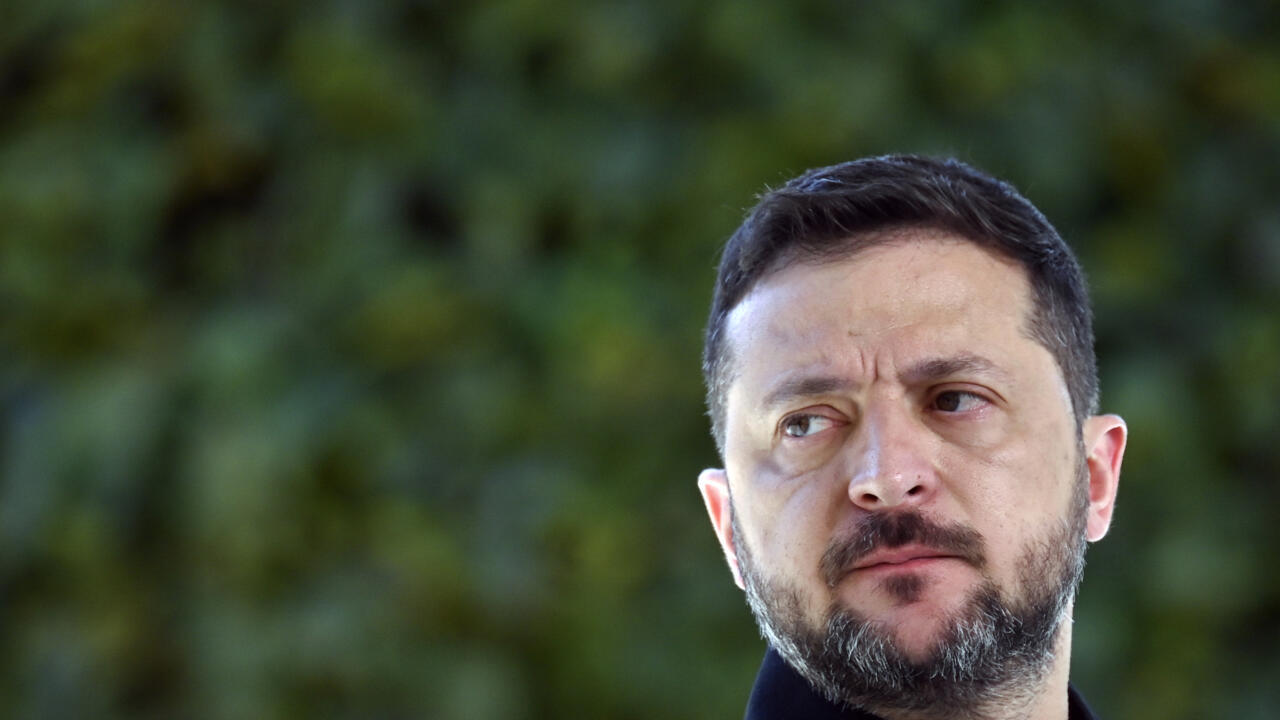
Ukrainian President Volodymyr Zelensky warned airlines and insurers that Russian airspace is now "completely unsafe" due to a surge in Ukrainian drone operations, effectively signaling that the skies over Russia will remain filled with unmanned aircraft for the duration of the war France24. The stark warning reflects Ukraine's escalating drone campaign, which Zelensky Warning now aims to deploy up to 1,000 long-range drones daily against Russian logistics hubs, oil facilities, and military targets.
Russian President Vladimir Putin quickly fired back, calling Zelensky's warning a "declaration of state terrorism" and declaring that "one does not hold negotiations with terrorists" during a press conference at the SCO summit in Bishkek Putin Statement. The escalating rhetoric underscores the growing role of drone warfare in the conflict and deepens the gap between the two sides as peace talks stall.
Ukraine Ramps Up Daily Drone Operations Targeting Russian Infrastructure
Ukraine is now operating up to 1,000 long-range drones per day over Russian territory, a dramatic increase from the previous pace of more than 300 daily strikes Yahoo News. These unmanned aircraft target critical infrastructure including military logistics hubs, oil refineries, and weapons production facilities deep inside Russia. Zelensky stressed that Ukraine poses no threat to civilian aviation and would pause drone operations if requested by diplomatic partners or at specific times for negotiations.
The scale of the campaign reflects Ukraine's shift toward asymmetric warfare. With limited conventional air forces, drones allow Ukraine to strike Russian targets while reducing pilot losses. LBC reports that Russian officials have characterized the airspace as increasingly dangerous for all aircraft, though the primary threat remains military targets rather than civilian routes.
Russian Strikes Kill Civilians as Overnight Attacks Continue
At least 12 people were killed overnight in Kyiv and surrounding regions from Russian drone and missile strikes, illustrating the mounting civilian toll from the intensifying conflict Headtopics. Russia has responded to Zelensky's warning with sustained attacks of its own, hitting Ukrainian cities with long-range weapons. Both sides are now engaged in escalating strikes that show little sign of restraint.
The cycle of attack and retaliation reflects a conflict with no clear off-ramp. Putin's refusal to negotiate with what he calls "terrorists" and Zelensky's commitment to sustained drone operations suggest the conflict will continue along its current trajectory of increasing drone and missile exchanges.
US Seeks Temporary Pause to Prevent Further Escalation
Reports suggest the United States has requested a temporary pause in Ukrainian attacks on major Russian cities to prevent escalation News Summary. CIA Director John Ratcliffe made an unscheduled visit to the region, signaling American concern about the trajectory of the conflict. However, there are no public indications that Kyiv has agreed to such a pause.
The diplomatic overture highlights the tension between supporting Ukraine's military efforts and managing the risks of broader conflict. American officials appear concerned that unrestricted drone campaigns could trigger Russian retaliation against NATO allies or force Moscow to escalate further, even as Ukraine argues that targeting Russian war-making capacity is essential to its survival.
Sentiment
Mostly NegativeNEGATIVENEUTRALPOSITIVE
Publishers
21
Articles
13
Reach
34
A
AnonymousAuthor


