Exoplanet Atmosphere Confirmed
Scientists Detect First Atmosphere on Rocky, Earth-like Exoplanet in Habitable Zone
Anonymous
Key Points
1
The findings were published in Science on July 16, led by Collin Cherubim, and utilized observations from Las Campanas Observatory in Chile, marking the first reported atmosphere on a rocky, Earth-like planet in a star's habitable zone.
2
The host star, LHS 1140, is an ancient (~5 billion years old) and notably quiet M-dwarf with little stellar activity, which proponents say helps the planet retain its atmosphere over long timescales.
3
LHS 1140b was actually discovered in 2017 using the transit method, which detects periodic dips in the star’s light as the planet crosses in front of it, revealing the planet’s presence and orbital period.
4
Astronomers reported a roughly nine-year interval between the planet’s discovery and the atmospheric detection, underscoring the time and precision required to characterize temperate, rocky exoplanets.
5
Beyond the helium signal, some scientists speculate that LHS 1140b could be a so-called 'helium world' with a thick upper atmosphere potentially overlaying a rocky surface, a scenario that would be unusual compared with Earth-like rocky planets in our solar system.
For the first time, astronomers have detected an atmosphere around a rocky, Earth-like planet sitting in a star's habitable zone. The planet is LHS 1140 b, located about 49 light-years from Earth — close enough to study in detail, and now the most promising target in the search for life beyond our solar system. Science.org reported the findings were published in the journal Science on July 16.
The key signal: helium gas leaking from the planet's upper atmosphere. That leak is actually good news. It means LHS 1140 b has enough atmosphere left to bleed some into space, according to Mirage News. Researchers say the lower atmosphere could hold carbon dioxide, oxygen, and even liquid water.
Helium Signal Marks a First in Exoplanet Science
The discovery was led by Harvard's Collin Cherubim, using telescopes at Las Campanas Observatory in Chile. His team spotted helium in the planet's upper atmosphere — a robust detection, scientists say. Science.org described it as the first atmosphere ever found around a potentially habitable alien world. No rocky planet in a habitable zone had ever shown this kind of signal before.
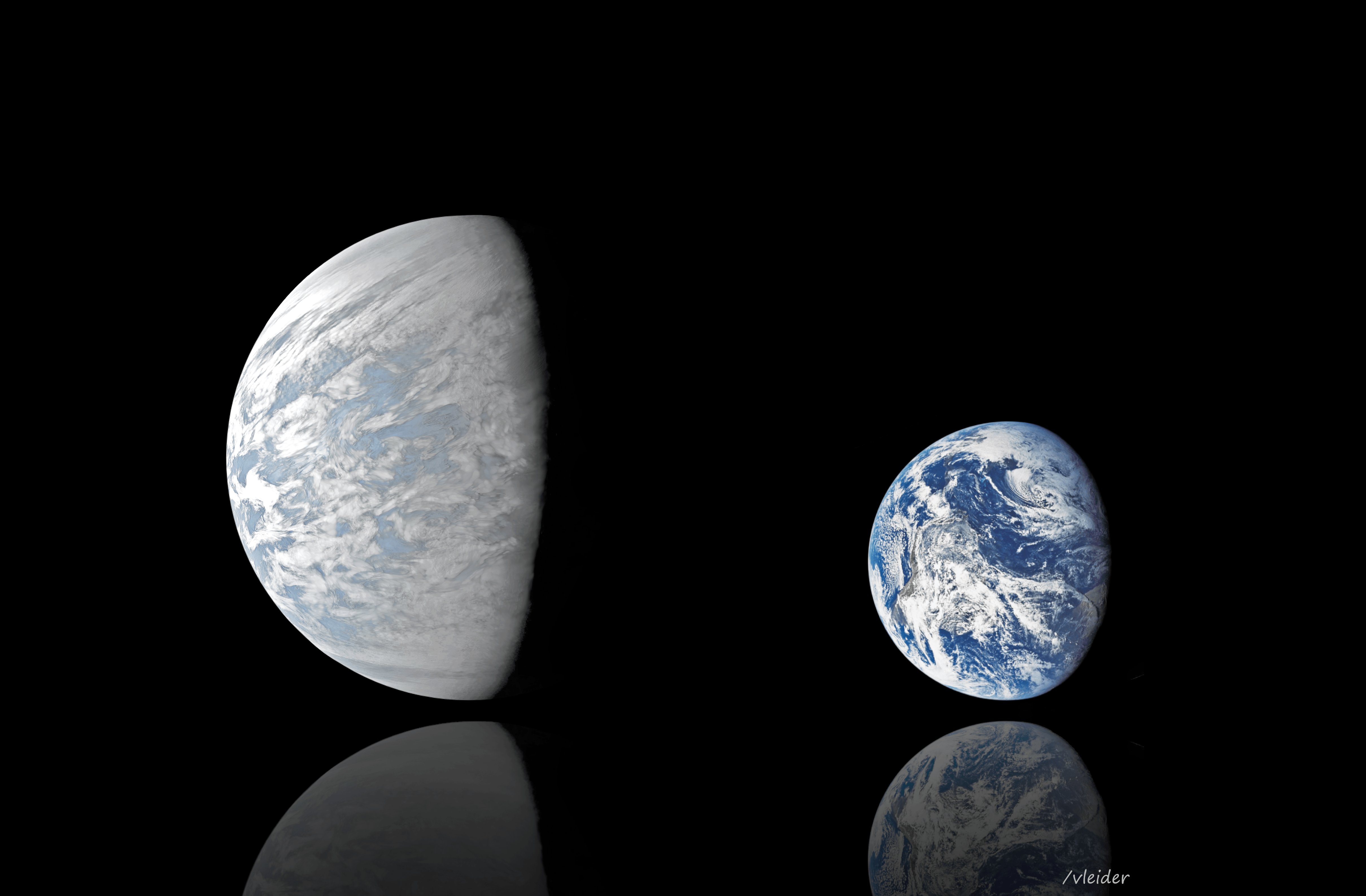
LHS 1140 b is bigger and heavier than Earth. It is about five times Earth's mass. It orbits a red dwarf star in what scientists call the Goldilocks zone — not too hot, not too cold for liquid water. The planet was first discovered in 2017 using the transit method, which spots planets when they pass in front of their star and dim its light. The atmospheric detection came roughly nine years later, showing just how hard this kind of science is.
A Quiet Star Helped the Planet Keep Its Air
Not every planet around a red dwarf keeps its atmosphere. Many red dwarfs are violent, blasting nearby planets with radiation that strips away air over time. LHS 1140 is different. The star is ancient — about 5 billion years old — and unusually calm, according to Daily Galaxy. Little stellar flaring means the planet had a real chance to hold onto its atmosphere across billions of years.
That calm environment is a big reason scientists are excited. A planet in the right zone around a quiet star, with a confirmed atmosphere, hits nearly every item on the habitability checklist. Head Topics noted that scientists say evidence points to an atmosphere that could shield the surface and support liquid water — a key ingredient for life as we know it.
Could LHS 1140 b Be a 'Helium World'?
Some scientists are asking a harder question: is the atmosphere truly Earth-like, or is it something stranger? One theory is that LHS 1140 b could be a so-called helium world — a planet with a thick, helium-rich upper atmosphere sitting on top of a rocky surface. That would be unusual. Nothing like it exists in our own solar system.
Researchers caution that more data are needed before anyone can say for sure what the atmosphere is made of below the helium layer. Models suggest the lower atmosphere could be rich in carbon dioxide or even oxygen, and the planet may hold large amounts of water. But those are still educated guesses, not confirmed facts.
James Webb Telescope Is the Next Big Step
LHS 1140 b's closeness to Earth — just 49 light-years — makes it a prime target for follow-up study. Scientists plan to use the James Webb Space Telescope to get a closer look at the atmosphere's full composition. Webb can detect specific gases in a planet's air as starlight filters through it during a transit. That could confirm or rule out carbon dioxide, water vapor, or other key gases.
The road from discovery to confirmation has already taken nine years. But researchers say the pace will pick up. With Webb now operational and pointed at the right targets, the question of whether LHS 1140 b could support life may finally get a real answer within the next few years.
Sentiment
Mostly PositiveNEGATIVENEUTRALPOSITIVE
Publishers
21
Articles
43
Reach
64
Topics
A
AnonymousAuthor


