Severe Weather Flash Floods
Authorities Issue Flash Flood Warnings Across India, Nepal, and the US
Anonymous
Key Points
1
Nepal’s authorities said water levels in the Koshi, Narayani, Bagmati, Karnali and Mahakali river systems and their tributaries were still below warning thresholds when the advisory was issued, despite forecasts of sharp rises over the following three days.
2
The Nepal advisory identified specific basins expected to see sharp increases, including the Sunkoshi, Tamor, Arun, Dudhkoshi and Tamakoshi rivers in the Koshi basin, and the Narayani, Trishuli, Budhigandaki, Marsyangdi, Seti and Kaligandaki rivers in the Narayani basin.
3
In Colorado, radar showed that 0.3 to 0.5 inches of rain had already fallen over the Lee Burn Scar, with rainfall rates of 2 to 4 inches per hour forecast; debris flows could contain rock, mud, vegetation and other loose material and wash away roads and driveways.
4
The Arizona warning covered a number of specific sites in the Havasu Creek basin, including Little Navajo Falls, Mooney Falls, Beaver Falls, Hualapai Hilltop, the Havasupai Reservation and Supai; officials warned that footbridges at Supai Campground could be washed out and visitors could be stranded.
5
The Havasu Creek warning followed an earlier alert issued at 2:06 p.m. MST, which was extended through a later 4:43 p.m. warning as the storm system intensified; radar recorded 0.5 to 1.5 inches of rain, with another 0.25 to 0.75 inches possible.
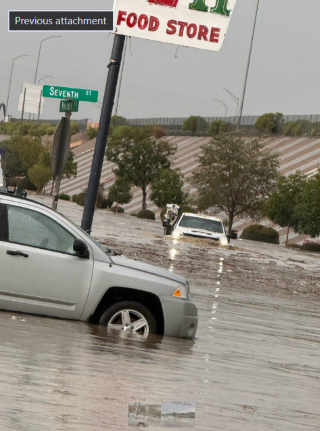
Flash flood warnings blanket parts of India, Nepal, and the western United States as heavy monsoon rains and thunderstorms drench vulnerable regions. India Meteorological Department warned of low to moderate flood risk in Gujarat's Saurashtra and Kutch districts through September 15, where saturated soil could trigger dangerous runoff. Nepal issued alerts for 21 districts, forecasting sharp river rises over three days. Meanwhile, Colorado and Arizona face life-threatening flooding from intense storms, with debris flows threatening roads and hikers potentially stranded by rising water.
Nepal Braces for River Surges Across Multiple Basins
Nepal issued a three-day flood advisory spanning 21 districts after Nepal's meteorological agencies forecast sharp rises in five major river systems: the Koshi, Narayani, Bagmati, Karnali, and Mahakali. Water levels remained below warning thresholds when the alert dropped, but officials expect rapid increases. The Koshi basin's Sunkoshi, Tamor, Arun, Dudhkoshi, and Tamakoshi rivers face the highest risk, along with the Narayani basin's Narayani, Trishuli, Budhigandaki, Marsyangdi, Seti, and Kaligandaki rivers.
Authorities warned of moderate flash-flood risk in small tributaries across the country, with danger zones shifting between provinces over coming days. Saturated ground and steep terrain make minor waterways particularly hazardous when rainfall intensifies.
Colorado Faces Debris Flows Over Burn Scar
The National Weather Service issued an emergency flash flood warning for Colorado's Lee Burn Scar in Rio Blanco County after thunderstorms dumped 0.3 to 0.5 inches of rain. Forecasters expect rainfall rates of 2 to 4 inches per hour, creating life-threatening conditions. Debris flows could sweep rocks, mud, vegetation, and loose material across roads and driveways.
Burn scars from wildfires leave soil vulnerable to rapid runoff. When rain hits exposed earth, it creates dangerous debris flows that move faster and with more force than normal flooding. Roads in the area could be washed away within minutes.
Arizona Warning Threatens Hikers in Havasu Creek Basin
Heavy rain prompted a flood warning for Arizona's Havasu Creek basin covering Mooney Falls, Beaver Falls, Hualapai Hilltop, the Havasupai Reservation, and Supai Campground. Flood alert officials recorded 0.5 to 1.5 inches of rain with another 0.25 to 0.75 inches possible. Footbridges at Supai could wash out, potentially stranding hikers and campers.
The warning, first issued at 2:06 p.m. MST, was extended at 4:43 p.m. as the storm intensified. Officials urged everyone in the Havasu Creek basin to move to higher ground immediately and stay away from waterways. The narrow canyon can channel water with dangerous speed, turning tranquil creeks into raging torrents in minutes.
Gujarat Faces Monsoon Deluge and Ground Saturation
India's meteorological service warned that several Gujarat districts face low to moderate flash-flood risk through mid-September. Heavy monsoon rains have already saturated the ground in Saurashtra and Kutch, making the soil unable to absorb more water. When rain falls on saturated earth, it pools and rushes downhill, overwhelming low-lying areas and small waterways.
Authorities advised residents in vulnerable zones to avoid traveling through flooded areas and to move valuables to higher floors. The monsoon season, which runs through September, typically brings India's heaviest rainfall, and this year's rains have been particularly intense in western regions.
Sentiment
Mostly NegativeNEGATIVENEUTRALPOSITIVE
Publishers
19
Articles
4
Reach
23
Topics
A
AnonymousAuthor


