Economic Toll of ICE
ICE Immigration Crackdowns Inflict Economic Toll on Minneapolis and Chicago
Anonymous
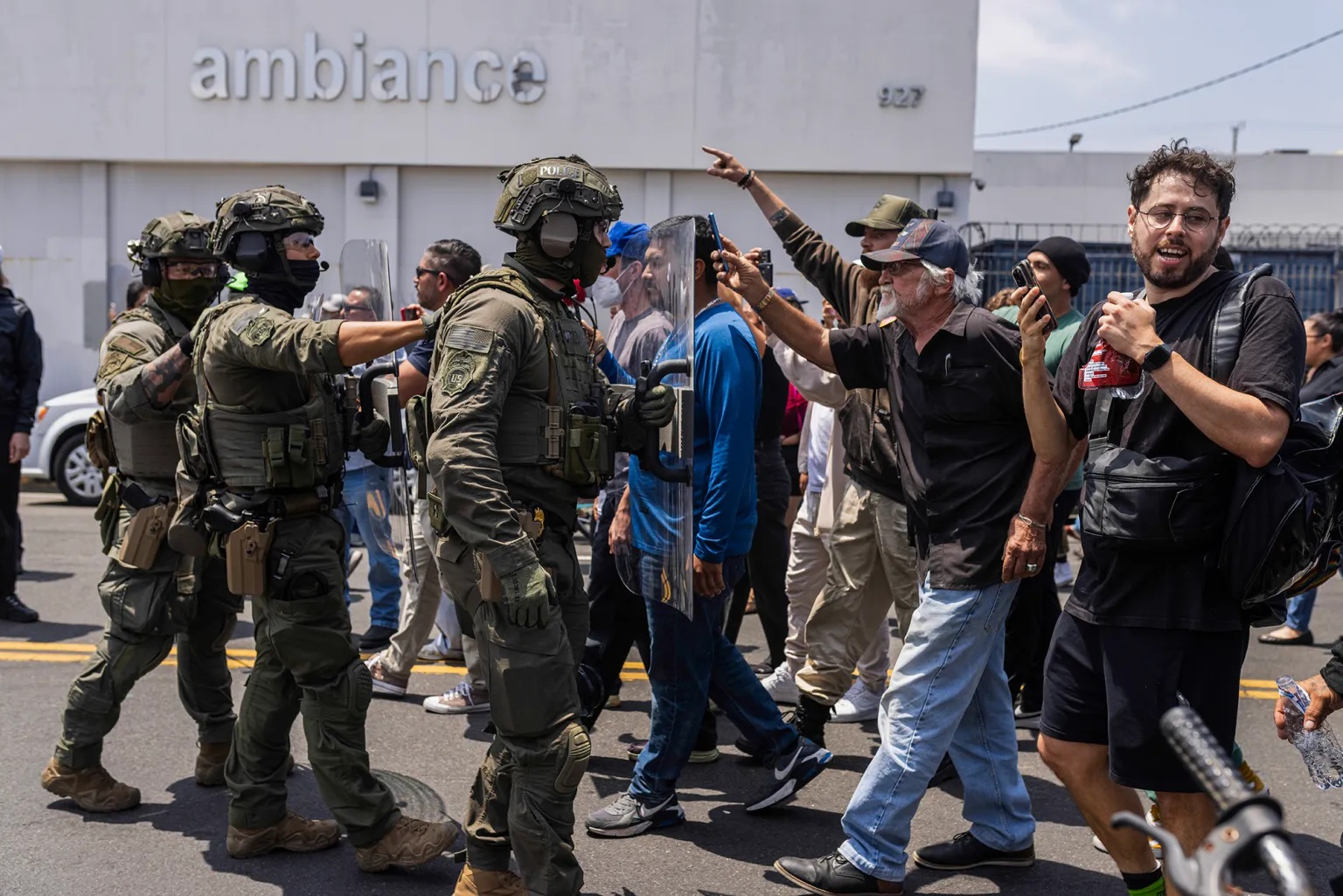
The Trump administration's mass immigration enforcement operations in Chicago and Minneapolis have done more than arrest people — they have shaken local economies, according to Greensboro News & Record. Businesses closed, workers stayed home, and spending dropped as communities braced for armed agents in the streets.
Chicago served as the testing ground for the enforcement playbook that was later deployed in Minneapolis, Tulsa World reported. Now officials and researchers in both cities are trying to measure what the crackdowns actually cost.
Chicago Was the Blueprint for Minneapolis Raids
The White House sent thousands of armed ICE agents into Minneapolis earlier this year, The Eagle reported. The operation mirrored tactics first used in Chicago, where large-scale enforcement sweeps had already reshaped daily life in immigrant neighborhoods.
In Chicago, agents fanned out across the city in coordinated raids. Residents described near-empty streets in some areas. Local leaders say the fear spread far beyond those who were actually arrested — it reached workers, customers, and business owners throughout the region.
Fear Kept Workers Home and Customers Away
The economic damage came in waves. First, workers stopped showing up. Then customers stopped going out. Restaurants, grocery stores, and construction sites all felt the drop, according to Wisconsin State Journal. Some small business owners reported losing 30 to 50 percent of their revenue during peak enforcement weeks.
The fear was not limited to undocumented immigrants. Legal residents, citizens, and even native-born workers in mixed-status families changed their routines, Journal Now reported. People avoided public spaces, postponed shopping trips, and kept children home from school.
Local Economies Are Now Counting the Losses
City officials and economists are now trying to put hard numbers on the damage. The task is difficult because some businesses never formally reported losses and some workers were paid in cash, Journal Times noted. But early estimates point to significant drops in sales tax revenue in affected neighborhoods.
Immigrant-owned businesses are a major economic force in both cities. In Minneapolis alone, immigrant entrepreneurs account for a large share of restaurants, construction subcontractors, and food processing workers. Disrupting that workforce, even temporarily, sends ripples through supply chains and local tax bases, according to WCF Courier.
The Broader Toll Beyond Arrests and Deportations
The human cost is visible in the arrest numbers. But the economic cost is harder to see and slower to recover from. Businesses that lost customers during the crackdowns have not all bounced back, Tulsa World reported. Some have closed permanently.
Advocates argue the enforcement operations created a climate of fear that punished entire communities — not just undocumented individuals. City leaders in both Chicago and Minneapolis have called on the federal government to account for the economic harm left behind, according to Greensboro News & Record.
Sentiment
NeutralNEGATIVENEUTRALPOSITIVE
Publishers
7
Articles
6
Reach
7
A
AnonymousAuthor


