Vampire RPG Debut
Former Witcher Developers Launch Promising Vampire RPG The Blood of Dawnwalker
Anonymous
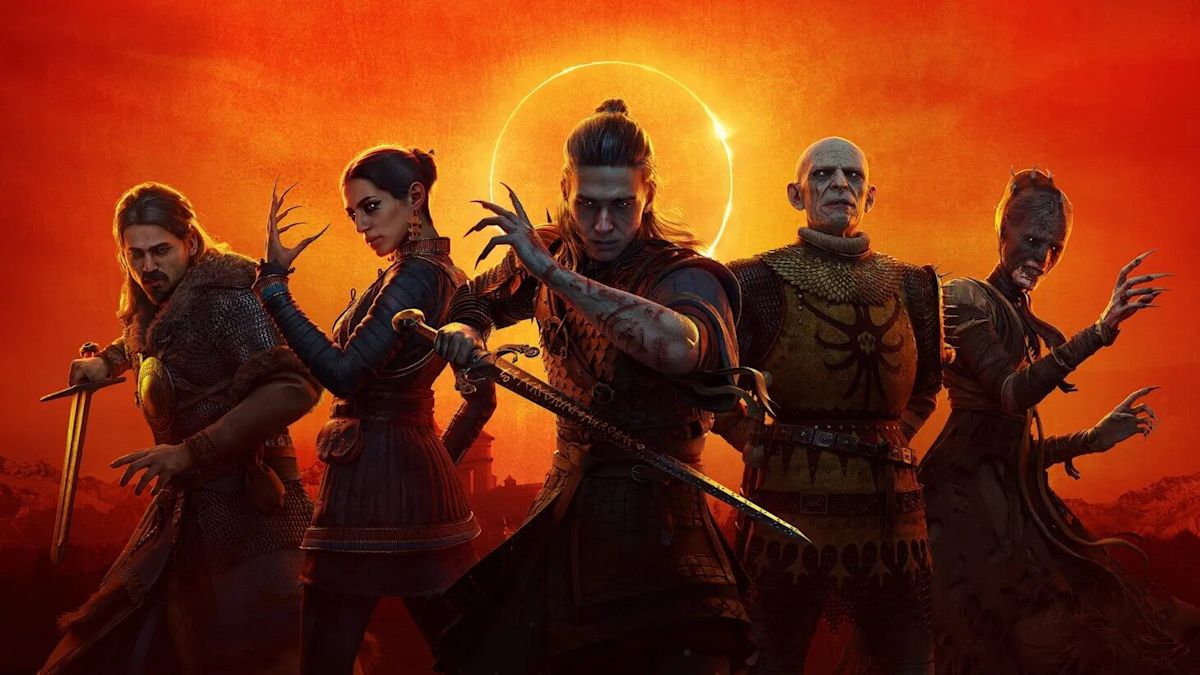
Key Points
1
The Blood of Dawnwalker builds a tight vampire-practices economy in Vale Sangora, where villagers must pledge a pint of their blood to the vrakhiri each month in exchange for the vampires’ blood that cures illnesses, with Brencis wielding this system as an iron-fisted ruler.
2
Coen’s transformation into a Dawnwalker—half-human, half-vrakhir—grants him daylight mobility and becomes the central twist driving both power progression and narrative tension.
3
Industry praise includes a strong shot at 2026’s game-of-the-year contention, with reviewers highlighting the combat, story, characters, and setting as standout elements.
4
IGN notes a main campaign length of roughly 40 hours, signaling a substantial quest beyond what the 30-day timer implies and suggesting meaningful scope.
5
The game’s setting—Vale Sangora in the Carpathian milieu with the Laslea valley— roots its dark fantasy atmosphere in a distinctly vampire-politics-driven world, as reflected in multiple reviews.
The Blood of Dawnwalker has emerged as one of 2026's most celebrated games, with Destructoid calling it the best game of the year. The vampire RPG from Rebel Wolves—a studio led by former The Witcher 3 developers—follows Coen, a half-human Dawnwalker who must rescue his family within 30 days in the dark fantasy world of Vale Sangora. Tech Yahoo hailed it as one of the year's most remarkable RPGs, praising its unique day-night cycle mechanic and choice-driven open world.
Critics consistently highlight the game's combat, atmosphere, and moral weight as standout strengths. However, some reviewers flag design flaws including open-world checklist fatigue and repetitive investigation sequences. Gaming Trend found the design disappointing in places, while IGN noted the main campaign spans roughly 40 hours—far exceeding the 30-day timer suggests. The consensus points to an ambitious debut with genuine standout moments but rough edges that hold it back from perfection.
Daylight Powers and a 30-Day Race Against Time
Coen's transformation into a Dawnwalker—half-human, half-vrakhir—is the game's core twist. Unlike typical vampires, Dawnwalkers can move freely in daylight, giving Coen unique mobility throughout Vale Sangora. Bleacher Report emphasized the day-night cycle as a defining gameplay feature that shapes moment-to-moment decisions. Players must navigate a dark vampire-ruled world while racing against a 30-day deadline to save their family, creating constant tension between exploration and urgency.
A Vampire Economy Built on Blood and Control
Vale Sangora operates under a brutal system: villagers pledge a pint of blood monthly to the vrakhiri vampires in exchange for blood that cures illnesses. Brencis, the iron-fisted ruler, wields this economy as a weapon of control over the population. Game Reactor explored how this system shapes both world-building and player choices, forcing moral decisions about corruption and alliance. The setup creates a rich backdrop where every action carries weight beyond simple combat encounters.
Praised for Story and Combat, Criticized for Repetition
Reviewers praise The Blood of Dawnwalker's compelling narrative, strong character work, and satisfying combat mechanics. Tech Yahoo called it a remarkable RPG achievement from the Witcher 3 team. Yet cracks emerge in execution: investigation sequences feel repetitive, open-world activities devolve into checklists, and some technical polish is lacking. Gaming Trend particularly criticized how certain activities felt limited and padded, suggesting the game's ambition sometimes outpaces its refinement in delivering consistent quality throughout.
Consequences and Replayability in a Corrupt World
The game's strongest moments arrive when player choices unlock vampire powers and directly reshape the story. Reviewers highlight the life-or-death timing mechanic and corruption consequences as compelling incentives to replay. Each decision ripples through Vale Sangora's morally gray world, where villains aren't simply evil and allies aren't purely good. Destructoid and other outlets noted this ambiguity as a defining strength—one that suggests The Blood of Dawnwalker could mature into a standout classic with polish updates and community feedback shaping future improvements.
Sentiment
Mostly NegativeNEGATIVENEUTRALPOSITIVE
Publishers
14
Articles
21
Reach
35
Topics
A
AnonymousAuthor