Native Graduation Boost
Native American Graduation Rates Rise 55% at Federal Schools, Fueled by Innovation and Data Fixes
Anonymous
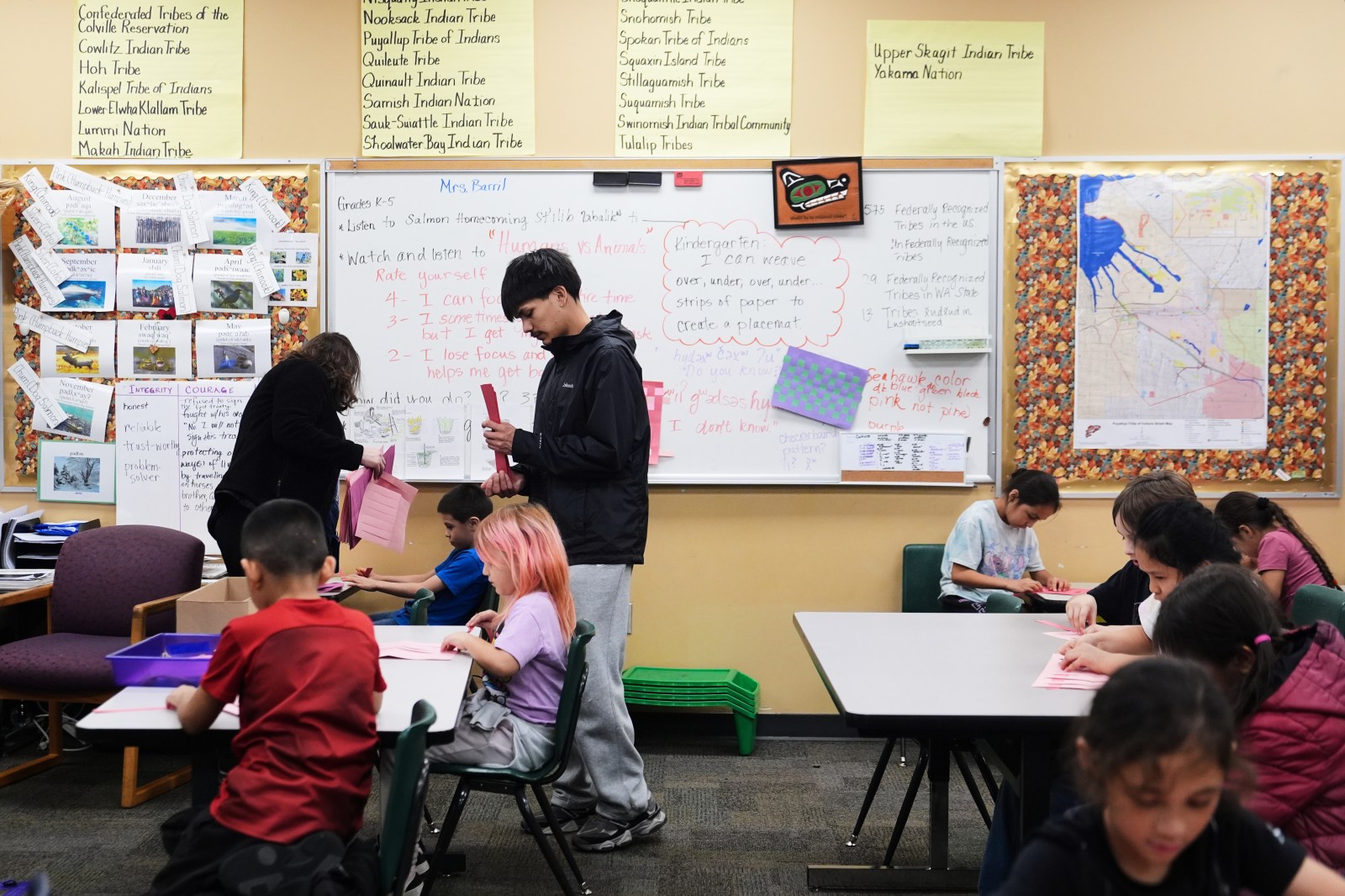
Graduation rates at federally funded Native American schools have jumped 55% since new reporting standards began rolling out, according to an AP analysis of Bureau of Indian Education (BIE) data cited by WBAL. The BIE oversees 183 primary and secondary schools serving more than 40,000 students across the country.
The gains come from a mix of local innovation, stronger teacher training, and fixes to flawed data collection. But educators and advocates worry that changes under the Trump administration could undo the progress before it takes full hold, The Record reported.
Career Training on the Puyallup Reservation Sparks Results
One example of local innovation comes from the Puyallup Reservation in Washington state. During his senior year, student Gerald Dillon swapped much of his academic coursework for career training. That hands-on approach gave him real-world skills before graduation, according to The Spec.
Schools across the BIE system have tried similar approaches. Rather than relying on a single model, individual schools have found what works for their own communities. That flexibility is seen as a key driver behind the system-wide gains, Welland Tribune reported.
Flawed Data Collection Had Hidden Real Graduation Numbers
Part of the reported jump in graduation rates is tied to better data, not just better outcomes. The BIE changed how it counts and reports graduation figures after years of flawed collection methods. Old methods missed students or counted them incorrectly, making school performance hard to measure accurately, according to Winnipeg Free Press.
The new reporting standards began rolling out in recent years. Since then, the 55% rise in graduation rates has been recorded across the system. Experts say the cleaner data makes it easier to spot which schools need help and which programs are working, WBAL noted.
Teacher Training Gains Seen as Central to School Progress
Stronger teacher training has also played a major role in the improvements. BIE schools have historically struggled to recruit and keep qualified teachers. Many serve remote reservations where turnover is high and resources are thin, according to St. Catharines Standard.
Targeted training programs have helped teachers better serve Native American students, who often face unique cultural and economic challenges. Educators say that teachers who understand their students' backgrounds tend to see stronger engagement and better attendance, The Spec reported.
Trump Administration Changes Raise Fears of Lost Momentum
Despite the progress, concern is growing that federal policy shifts could reverse the gains. Changes under the Trump administration have raised alarms among educators and tribal leaders about funding and oversight priorities at BIE schools, The Record reported.
Advocates worry that struggling schools, which still need the most support, could be left behind if reform efforts slow down or funding is cut. The BIE system serves some of the most underserved students in the country, and educators say the momentum built over the past several years is fragile, Winnipeg Free Press noted.
Sentiment
NeutralNEGATIVENEUTRALPOSITIVE
Publishers
6
Articles
6
Reach
6
Topics
A
AnonymousAuthor