Inflation's Dual Threat
UK Inflation Soars as AI Chip Shortages and Energy Hikes Drive Price Pressures Higher
Key Points
Ofgem's 13% energy price cap rise for the summer quarter is estimated to lift July's CPI by about 0.44 percentage points.
The Bank of England could raise rates as early as September to prevent inflation from becoming entrenched.
The Iran war is driving volatility in global energy markets, lifting jet-fuel costs and pushing up airfares.
Chief economist Hugh Pill has signaled dissent within the BoE, suggesting tighter policy may be needed to curb inflation expectations.
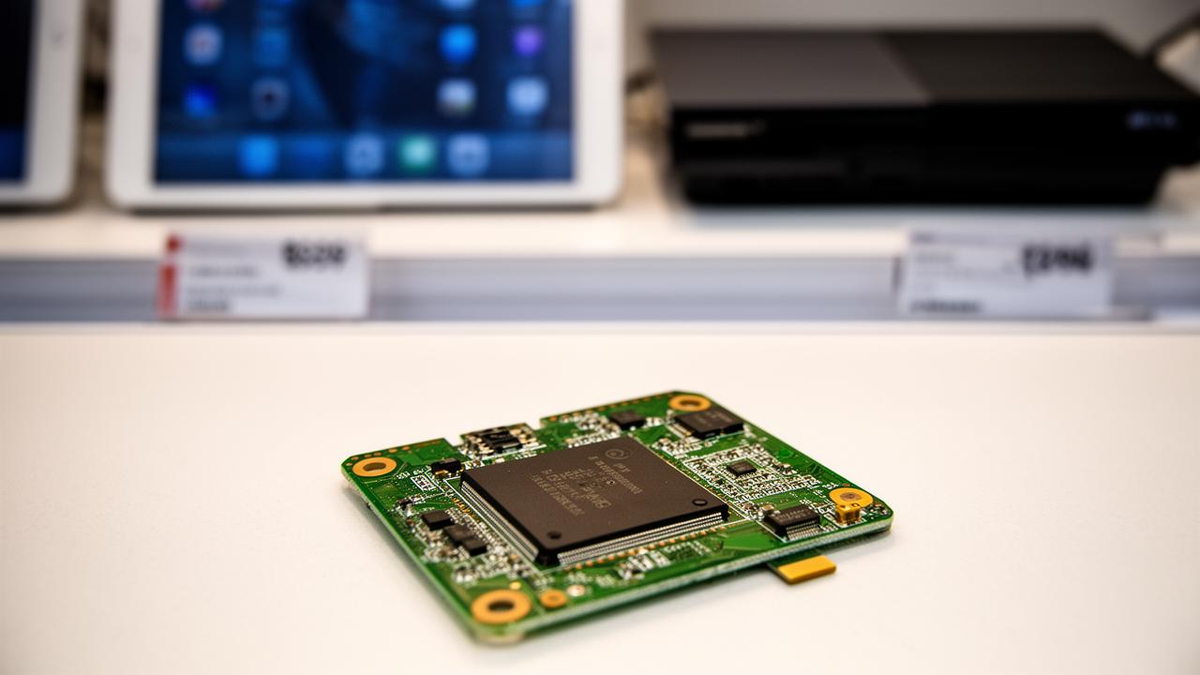
AI-driven memory-chip shortages—often called 'chipflation'—are pushing up memory-chip costs that feed through to consumer electronics such as smartphones, laptops and gaming consoles.
UK inflation is expected to jump to 2.9% in July, up from 2.6% in June, driven by a 13% hike in the Ofgem energy price cap and a growing shortage of AI memory chips, according to Nation Cymru. The energy cap rise alone is estimated to add around 0.44 percentage points to CPI.
Analysts are now flagging a second, less-expected driver: so-called 'chipflation.' AI-driven memory chip shortages are pushing up the cost of smartphones, laptops and gaming consoles — feeding directly into core goods inflation, BigGo Finance reports.
Ofgem's Energy Cap Hike Hits Household Bills Hard
Ofgem raised its energy price cap by 13% for the summer quarter. That pushes the average annual household bill significantly higher. Nation Cymru says economists expect this single change to lift July's CPI by about 0.44 percentage points on its own.
The Iran war is adding more pressure. Fighting has caused volatility in global energy markets, lifting jet fuel costs and pushing airfares higher. GB News reports that economists warn Britain's cost of living will keep rising as energy shocks compound each other.
AI Chip Shortage Becomes a 'Dark Horse' Inflation Driver
The rapid growth of AI infrastructure worldwide is eating up memory chip supply. That shortage is now filtering through to everyday devices. BigGo Finance notes that prices for smartphones, laptops and gaming consoles are all rising as a result.
Independent strategist Tracy Shuchart calls chipflation a 'dark horse' factor that could become a fixture of core goods inflation in coming months, according to Traders Union. She warns the chip shortage, combined with energy costs, could keep UK inflation elevated well into late 2026.
Bank of England Faces Pressure to Raise Rates Again
The renewed inflation surge is putting the Bank of England in a difficult spot. Chief economist Hugh Pill has signaled dissent inside the bank, suggesting tighter policy may be needed to stop inflation expectations from becoming entrenched, according to Traders Union.
Economists say a rate rise could come as early as September. Head Topics reports that food costs are also a risk, with summer heatwaves potentially squeezing supply. Rates staying higher for longer would add to pressure on mortgage holders already stretched by rising bills.
Economy Shows Resilience but Price Pain Remains Uneven
Despite the inflation scare, the UK economy has held up. There was modest growth in early 2026, suggesting the country is not yet in a downturn. But GB News notes the gains are uneven — services inflation has eased while goods prices are rising fast.
Tech firms face a specific squeeze. Companies like Apple rely heavily on AI-related components. If chip costs keep rising, device prices will follow — hitting consumers who are already cutting back. Analysts warn affordability could become a real problem if chipflation persists through year-end.
Sentiment
Mostly NegativePublishers
12
Articles
11
Reach
23


